 Ferndale
 Why Sumas Roofs Take a Different Kind of Beating
Homes in and around Sumas sit in one of the wetter, greener corners of Whatcom County, and the roof takes the brunt of it. Moisture-laden marine air drifts in off the Salish Sea for months at a stretch, driving rain comes in sideways during winter storms, and the shade and humidity that make this part of Washington so green also make it prime territory for moss, algae, and slow-building rot. Add in the salt carried on that marine air, and metal flashing, fasteners, and gutters corrode faster here than they would further from the water. A roof that would hold up fine in a drier climate can start failing here years ahead of schedule if it isn't built and maintained with this weather in mind.
That's the backdrop for every roof repair we do in Sumas. We're not just patching a leak, we're accounting for a climate that gives a roof very little time to dry out between storms, and that rewards small maintenance now over expensive tear-offs later.
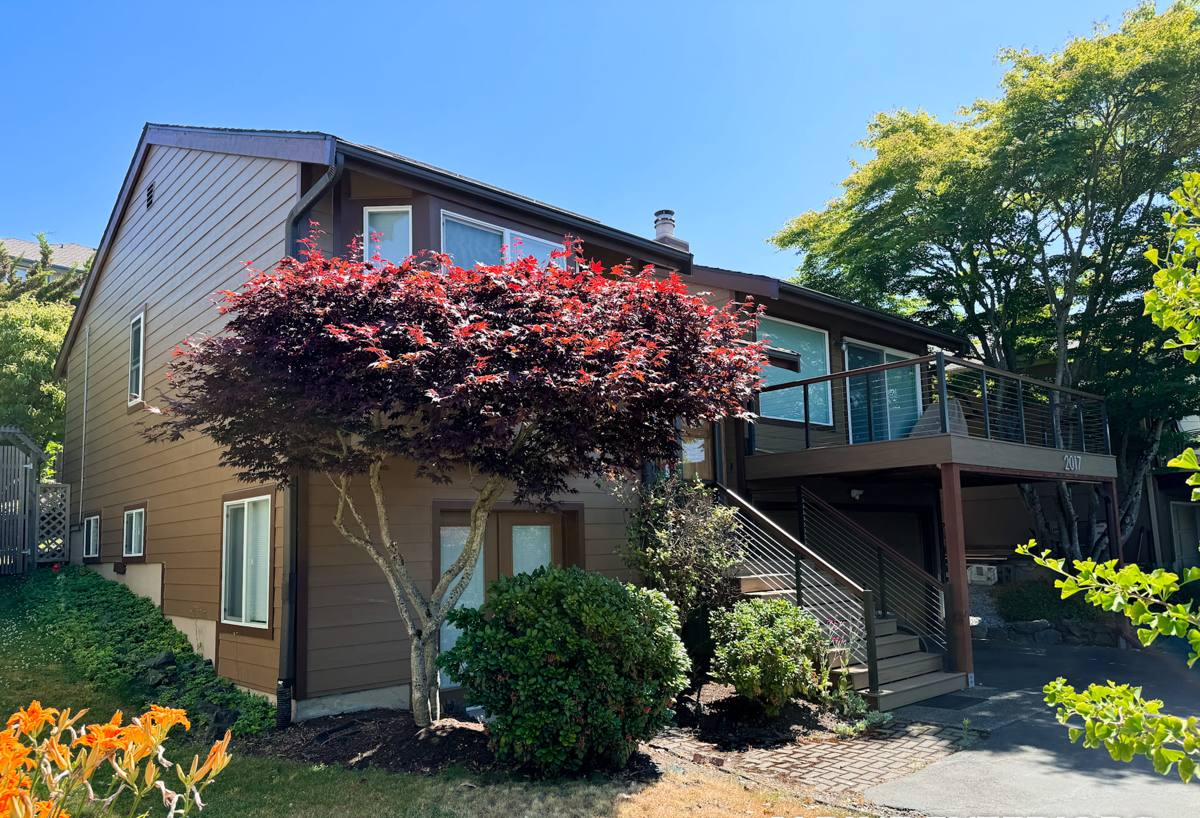
What Correct Roof Repair Actually Involves
A roof repair done right starts with figuring out why the roof failed in the first place, not just where the water is showing up inside the house. Water can travel a long way under shingles or along a rafter before it reaches a ceiling stain, so treating the visible leak without finding the entry point just buys you a few dry months before the stain comes back.
Diagnosing the Real Source of a Leak
Our first step on any repair call is a full inspection of the roof surface, not just the spot the homeowner points to. We look at flashing around chimneys, vents, and skylights, valleys where two roof planes meet, the condition of the underlayment where it's exposed, and any spots where moss or debris has been holding moisture against the shingles longer than it should. Most mystery leaks trace back to one of these areas rather than a hole in the middle of a roof field. We also check the attic from the inside where access allows, since staining on rafters or sheathing often points to where water is actually getting in, which isn't always directly above the ceiling stain a homeowner first noticed.
Matching Materials and Techniques to Your Roof Type
Repair materials and methods have to match what's already on the roof. Composition shingle, cedar shake, and metal roofing all fail differently and get repaired differently, and a fix that works on one can actually shorten the life of another. We match the existing material, fastening pattern, and flashing details so the repair blends in and performs the same as the rest of the roof, rather than creating a new weak point next to the old one. On older roofs where an exact material match isn't available, we choose a compatible replacement and explain the trade-offs upfront rather than letting a mismatched patch surprise you later.
Common Roof Problems We See on Sumas Homes
Most of the repair calls we get in this area fall into a short list of recurring problems, almost all tied back to the same wet, shaded climate.
Moss and Organic Growth
Moss holds water against the roof surface long after the rain stops, which slowly lifts shingle edges, breaks down granule coating, and works its way under flashing. Left alone through a full moss season, it can turn a simple cleaning-and-treatment job into a repair job, and eventually into premature replacement. Roofs under tree cover or on north-facing slopes with less direct sun tend to need this attention more often than open, sunnier roof planes.
Flashing and Valley Failures
Flashing around chimneys, walls, and skylights, and metal in the valleys where roof planes meet, are the most common places we find active leaks. These are the spots where a roof depends on metal and sealant rather than overlapping shingles, and they're also the spots most likely to have been installed a little short-cut the first time around. A valley that was never properly woven, or a chimney cricket that was skipped to save time, will eventually leak, often years after the original work was done.
Wind and Storm Damage
Winter windstorms lift and crack shingles, tear loose ridge caps, and drive rain up under edges that would otherwise shed water fine. Damage like this often looks minor from the ground but leaves an opening that gets worse with every storm that follows until it's repaired. We recommend a look at the roof after any storm strong enough to bring down branches, even if nothing is visibly leaking yet.
Our Repair Process, Start to Finish
- Inspection. We walk the roof, not just look from a ladder at the eave, and document what we find, including areas that aren't leaking yet but are heading that way.
- Honest diagnosis. We explain what's actually causing the problem, in plain language, before we talk about fixing it.
- Written scope and estimate. You get a clear description of the repair, the materials involved, and the cost, before any work starts.
- The repair itself. We remove and replace only what's actually damaged, tie new flashing and shingles into the existing roof correctly, and clean up moss or debris that contributed to the problem.
- Final check. We confirm the repair is watertight and walk you through what we did and what to keep an eye on going forward.
Timing a Repair Around Whatcom County's Wet Season
Roof repairs can be done for most of the year here, but there are smarter and harder times to do them. Late summer and early fall, before the rains settle in for the winter, is the best window to catch problems and get them fixed while the roof is dry and moss hasn't had months to establish itself. Waiting until mid-winter to address a known problem means working around wet decking, shorter daylight, and a roof that's already been taking on water for weeks. If you noticed a stain or a missing shingle during the wet season, it's still worth calling, but scheduling a repair before the next wet season begins is what actually prevents the same problem from returning.
Repair vs. Replacement: How We Help You Decide
Not every roof problem calls for a full replacement, and not every leak can be solved with a patch. The right call depends on the roof's age, how widespread the damage is, and how much of the roof's remaining life a repair would actually protect.
| Situation | Usually Repair | Usually Replace |
|---|---|---|
| Roof age | Under 15-20 years, most material types | Near or past the manufacturer's expected service life |
| Damage pattern | Isolated to one area, flashing, or a section | Widespread across most of the roof surface |
| Underlying deck | Solid, no rot found during inspection | Soft spots or rot found in the decking |
| Moss/algae condition | Surface growth, shingles still intact underneath | Granule loss and shingle curling widespread |
| Leak history | First occurrence or a single recurring spot | Multiple leaks in different areas over time |
We'll always tell you honestly which side of this table your roof falls on. A repair that's only going to buy you a year or two before bigger problems show up isn't a favor to you, and we'd rather say so upfront than sell a patch we don't believe in.
What a Repair Should Cost
Roof repair pricing depends on what's actually wrong, how accessible the roof is, and how much of the surrounding roofing has to come up to do the fix correctly. Simple, well-defined repairs, a section of damaged flashing, a handful of cracked shingles, sit at the low end, often a few hundred dollars. Repairs that involve rebuilding a valley, replacing rotted decking, or reworking a chimney's flashing system cost more, often running into four figures, because more of the roof has to be opened up and rebuilt to do the job correctly rather than just covering the symptom.
| Cost Factor | Why It Matters |
|---|---|
| Size and location of the damage | A single flashing repair costs far less than damage spread across multiple roof planes |
| Roof pitch and access | Steep or hard-to-reach roofs take longer and require more safety setup |
| Decking condition | Rotted plywood or sheathing found underneath adds material and labor beyond the visible repair |
| Material match | Older or discontinued shingle colors and profiles can be harder to match cleanly |
| Number of penetrations | Chimneys, skylights, and vents each add their own flashing detail to repair correctly |
We give a written estimate before any work begins, broken down enough that you know what you're paying for and why, no vague lump-sum numbers.
Why Hiring a Crew That Already Works in Sumas Matters
Roof repair is local knowledge as much as it is a trade skill. A crew that regularly works roofs in Sumas and the rest of Whatcom County already knows which flashing details tend to fail first in this climate, how long the moss season really runs here, and how much rain a valley or chimney flashing needs to be built to shed without babying it. That local pattern recognition is what keeps a repair from becoming a repeat visit.
It also means we're not learning on your roof. We've seen what driving rain off a winter storm does to a marginal flashing job, and what a full moss season does to a roof that hasn't been cleaned in a few years, and we build repairs to hold up against both. A crew unfamiliar with this climate can do technically fine work that still fails early simply because it wasn't built with this much sustained moisture in mind.
Keeping a Repaired Roof Healthy Between Visits
A good repair should last, but a little attention between service calls stretches that further, especially in a climate that gives roofs so little time to dry out.
- Have moss and debris cleared from the roof and gutters before the wet season sets in, not after it's already built up
- Keep overhanging branches trimmed back so roofs get more sun and less standing shade and moisture
- Check attic ventilation, since poor airflow traps moisture against the underside of the roof deck year-round
- Walk the exterior after major windstorms and look for lifted or missing shingles, cracked ridge caps, or debris caught in valleys
- Address small leaks as soon as they show up rather than waiting for a dry stretch to see if it gets worse
- Keep gutters and downspouts clear so water actually leaves the roof instead of backing up under the edge
If you're noticing a stain on a ceiling, missing shingles after a storm, or a roof that hasn't been looked at in a few years, we're happy to take a look. Reach out for a free, no-pressure estimate, use the form below to get started.