 Ferndale
 Point Roberts Is a Different Kind of Exposure
Point Roberts sits on its own peninsula, surrounded by water on three sides and cut off from the rest of Whatcom County by land — the only way in by road is through Canada. That geography matters for more than commute times. A home out here catches wind and salt spray off Boundary Bay and the Strait of Georgia that a house even a few miles inland in Ferndale simply doesn't see. Add in the marine layer that hangs around for much of the year and the moss season that follows it, and you've got a set of conditions that will find every weakness in a siding system faster than almost anywhere else in the county.
We install fiber cement siding across the whole Ferndale area, but Point Roberts projects get planned differently from the start. The product has to be right, the install has to account for wind-driven rain, and the finish has to resist the salt and moss that build up on anything left untreated for long.
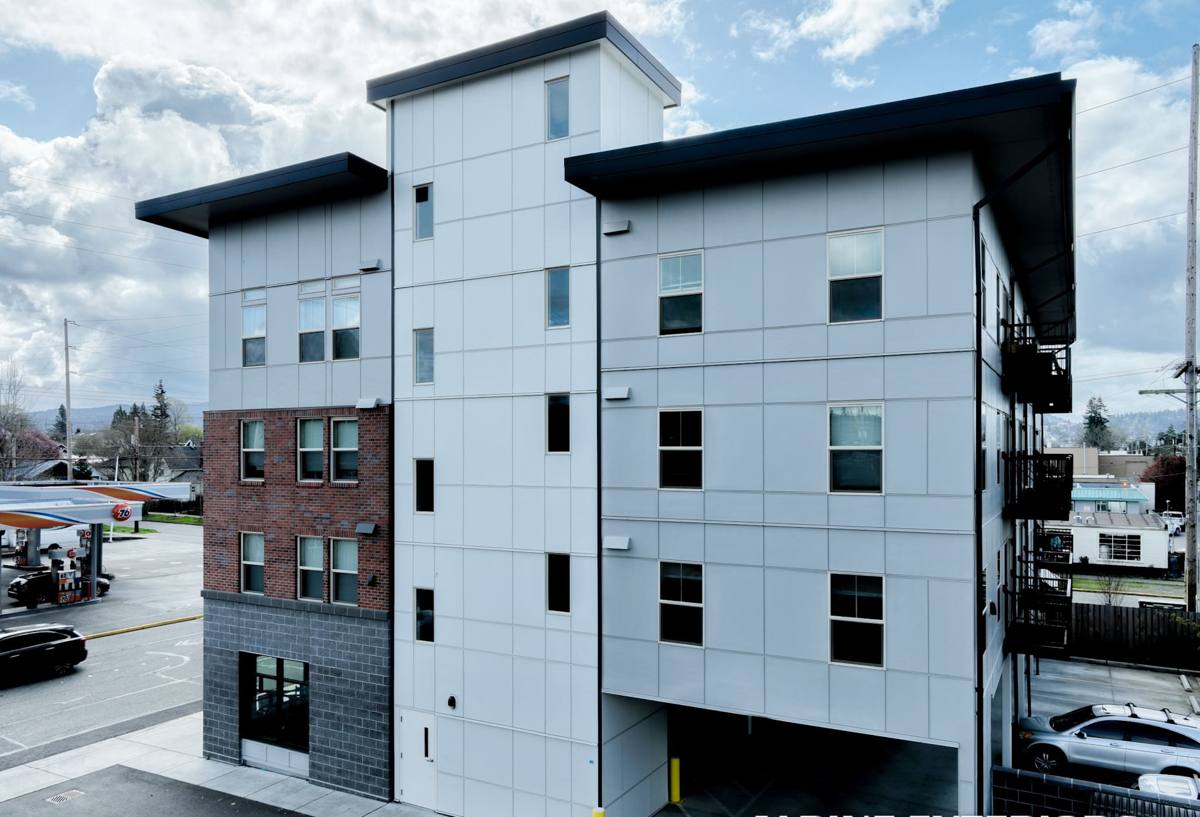
What Salt Air, Driving Rain, and Moss Actually Do to Siding
Salt air
Airborne salt is corrosive and it's persistent — it settles on siding, trim, and fasteners day after day, not just during storms. Over years it accelerates the breakdown of paint films, pits exposed metal, and works into any seam or crack in a siding surface. Products that rely on a surface coating or a paper-faced substrate lose that protection faster in a marine environment than they would twenty miles inland.
Driving rain
Point Roberts gets wind-driven rain that hits siding at an angle instead of falling straight down. That means water gets pushed into laps, seams, and butt joints that would stay dry in a calmer spot. If the water-resistive barrier, flashing, and joint treatment behind the siding aren't done correctly, that rain finds its way to the sheathing — and by the time you see a stain or soft spot on the inside, the damage has usually been building for a while.
Moss season
Western Washington's wet season runs long, and on a peninsula with heavy tree cover and constant moisture, moss and algae get a real head start. They hold water against the siding surface for extended periods, which is exactly the condition that causes paint failure, substrate softening, and premature aging on siding that isn't built to handle sustained dampness.
Why We Only Install James Hardie Fiber Cement
Given all of that, we made a deliberate choice: this company installs James Hardie fiber cement siding and nothing else. Not vinyl, not LP SmartSide, not Cemplank or Allura, not primed wood. We're not saying every one of those products is worthless — some have real strengths in the right application. But for the climate we work in, and especially for exposed sites like Point Roberts, we don't think they hold up as well over the life of a home, and we'd rather stand behind one system we know inside and out than offer a menu of products with different failure points.
Fiber cement is non-combustible, dimensionally stable when it gets wet, and doesn't rely on a thin surface coating alone to keep moisture out. James Hardie backs its boards with a factory-applied ColorPlus finish that's baked on and warranted against fading and peeling, plus climate-engineered HZ product lines built specifically for regions like ours. On a site that's getting hit with salt spray and long wet stretches, that combination of a stable substrate and a factory finish designed for moisture exposure is the difference between siding that looks the same in year fifteen and siding that's already showing streaks and soft spots.
How Hardie compares to the alternatives we don't install
| Product | What it does well | Why we don't use it here |
|---|---|---|
| Vinyl siding | Low upfront cost, fast install | Can warp or crack in cold snaps and hard impacts; seams are more vulnerable to wind-driven rain; not a good match for a marine exposure site |
| LP SmartSide | Engineered wood, lighter than fiber cement | Wood-based substrate is more sensitive to sustained moisture and moss coverage than fiber cement |
| Cemplank / Allura | Also fiber cement, lower price point | We standardized on one manufacturer's finish, warranty, and installation system rather than mixing products |
| Primed wood / cedar | Natural look, traditional appeal | Requires the most ongoing maintenance of any option; highest risk in a long moss season with salt exposure |
Choosing the Right Hardie Product for a Marine Site
James Hardie makes several siding profiles — lap siding, panel siding, shingle-style — and multiple HZ climate formulations. For a Point Roberts property, we're weighing wind exposure, sun exposure (or lack of it under tree cover), and how much of the home faces open water versus a more sheltered side. A house catching direct spray off the water may get a different fastening schedule and joint treatment than the same house's leeward wall. This isn't a one-size install, and it's part of why we walk the whole exterior before quoting rather than pricing off a satellite photo.
What a Correct Installation Actually Involves
The siding board itself is only part of the system. On an exposed site like this, the details behind and around the boards matter as much as the product choice:
- Weather-resistive barrier installed and lapped correctly, with all penetrations sealed
- Proper flashing at windows, doors, and any roof-to-wall transitions
- Correct starter strip and minimum clearance from grade, decks, and roof lines
- Manufacturer-specified fastener type and spacing — especially important where wind load is higher
- Joints and butt seams treated per Hardie's install specs, not just caulked and painted over
- Rain screen or drainage gap where the site conditions call for it
- Trim and corner details that shed water instead of trapping it
Skip any one of these and you can install the best siding board on the market and still end up with moisture problems in five years. Most of the "fiber cement failed" stories we hear about trace back to an installation shortcut, not the product itself.
Our Process, Start to Finish
For a Point Roberts project specifically, our process looks like this:
- On-site walkthrough — we look at sun/wind exposure on each elevation, existing siding condition, trim, and any moss or moisture staining already present
- Written estimate — product line, color, and scope broken down clearly, no surprise add-ons buried in the fine print
- Permitting — Point Roberts falls under Whatcom County jurisdiction, so we handle the permit process the same way we would for any Ferndale-area job
- Material staging — because reaching the peninsula means crossing the border, we plan delivery and job scheduling in advance rather than making repeat runs mid-project
- Tear-off and inspection — once old siding is off, we check sheathing condition before anything new goes up
- Install to Hardie spec — barrier, flashing, fastening, and joint details done to manufacturer requirements, not shortcuts
- Final walkthrough — we go over the finished job with you before we consider it done
Cost Factors for a Point Roberts Job
Every home is different, but these are the factors that typically move the price on a fiber cement project out here:
| Factor | Why it affects cost |
|---|---|
| Home size and number of stories | More square footage and higher walls mean more material and labor time |
| Current siding condition | Rot or sheathing damage found during tear-off adds repair scope before new siding goes up |
| Product profile chosen | Lap, panel, and shingle-style Hardie products carry different material costs |
| Trim and detail work | Corners, window trim, and transitions add labor beyond flat wall footage |
| Site access and logistics | Delivery scheduling and site access on the peninsula factor into project timing |
| Color and finish | Factory ColorPlus finishes vary by color line and product series |
We'll give you an honest number for your specific home rather than a generic per-square-foot figure — those rarely hold up once tear-off reveals what's actually behind the old siding.
Maintenance Checklist for Peninsula Homes
Even with the right product installed correctly, a little seasonal attention keeps siding performing at its best in this environment:
- Rinse salt residue off siding periodically, especially on water-facing walls
- Keep gutters clear so water doesn't overflow and run down the siding face
- Trim back vegetation and tree cover that keeps siding shaded and damp longer than necessary
- Check caulking at trim and penetrations annually and touch up as needed
- Address any moss or algae buildup before it spreads across a wide area
- Have any impact damage or loose trim looked at promptly rather than waiting
Why It Matters That We Already Work This Area
A crew that's never worked Point Roberts has to learn the site logistics — border timing, material staging, the fact that a forgotten tool or part means a real delay, not a quick trip back to the shop — while your project is underway. We've already worked through that. We also know what this exposure does to a wall system over time, which shapes decisions on flashing, fastening, and product selection before the first board goes up. Between the marine exposure common across the Point Roberts and broader Ferndale and Whatcom County area, that experience is worth more than it sounds like on paper.
If you're weighing a siding replacement or new install on a Point Roberts home, we're happy to walk the property, look at what your walls are dealing with, and give you a straightforward estimate — no pressure, no generic quote. The form below is the easiest way to get that started.