 Ferndale
 Siding, Roofing, Windows, and Decks for Bellingham Homes
Bellingham sits close enough to Ferndale that many of the exterior problems we see are nearly identical from one town to the next, but the Bellingham Bay waterfront and the surrounding hills add their own wrinkles. Homes nearer the water deal with salt-laden air working against paint, caulking, and fasteners. Homes tucked into the tree-covered slopes east of downtown deal with shade, moisture, and moss that barely lets up from October through May. We work on both kinds of houses regularly, and the siding, roofing, windows, and decks we install are chosen and detailed with that range of conditions in mind.
This page focuses on siding, since it's the exterior surface doing the most day-to-day work against Whatcom County weather, but the same climate logic applies to how we handle roofing, window flashing, and deck framing on every project.
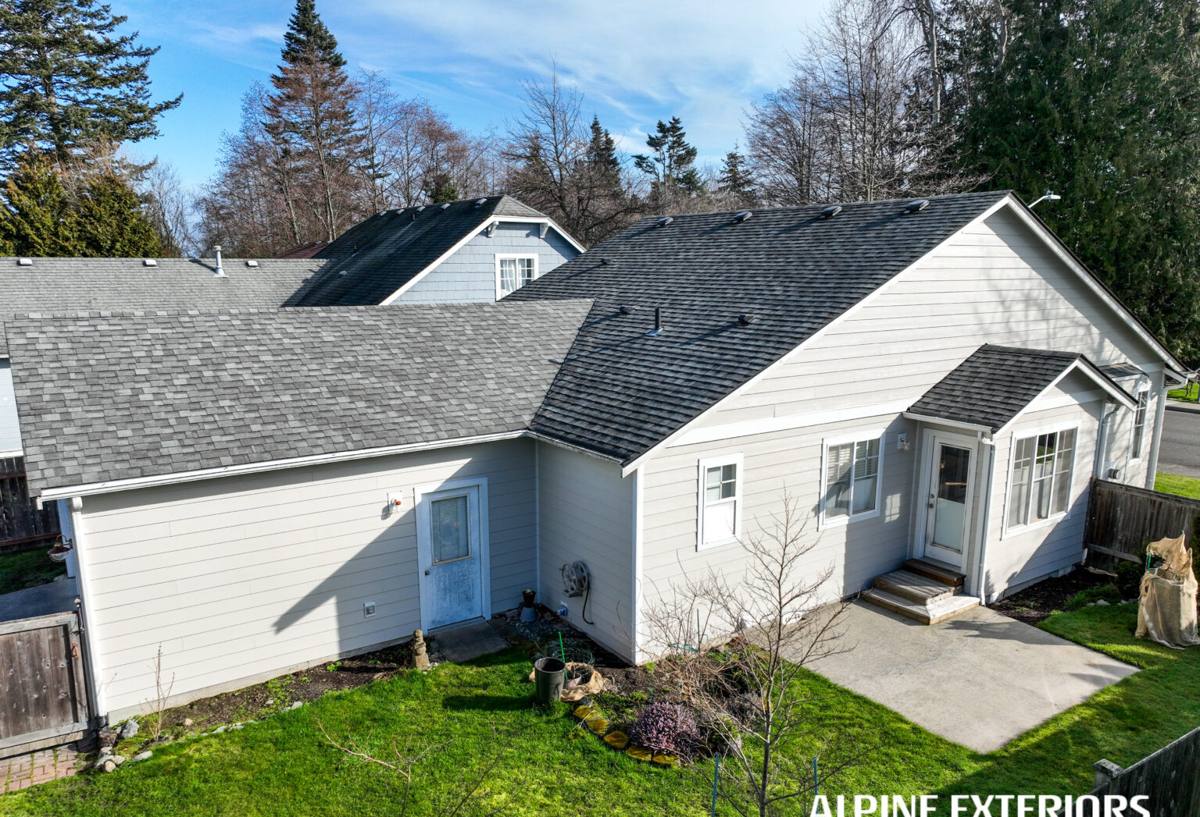
What Bellingham's Climate Actually Does to a House
Salt Air and Driving Rain
Proximity to the water means more than a nice view. Salt-carrying air accelerates the breakdown of certain paints and finishes, and it's harder on exposed fasteners and trim than most homeowners expect. Add wind-driven rain off the Sound, and you get water pushed sideways into laps, seams, and butt joints — not just falling straight down where gravity and simple flashing details can manage it. Siding systems that rely on face-nailing, loose lap tolerances, or paint-grade finishes tend to show wear here faster than they would inland.
The Long Moss Season
Whatcom County doesn't get a real dry season the way parts of the state do. Cool, damp conditions linger for months, and anything shaded — a north wall, a spot under overhanging trees, a low corner that doesn't get sun or wind — turns into a moss and algae magnet. Moss holds moisture against a wall surface far longer than open air would, and that constant dampness is exactly what wood-based and wood-look siding products struggle with over time: swelling, edge softening, and finish failure at the seams.
Temperature Swings and Material Movement
Bellingham doesn't see extreme heat, but siding still expands and contracts with the seasons, and every seam, nail, and caulk line has to tolerate that movement year after year without opening up. Products that shift more than they should — or installations that don't leave the joints room to move — are where small gaps and moisture entry usually start.
Why We Only Install James Hardie Fiber Cement
We used to install a wider range of siding products. We don't anymore, and it's not a marketing position — it's a decision based on what we kept seeing on service calls in this exact climate. Fiber cement doesn't absorb water the way wood-based products can, it doesn't feed moss and mildew growth, and it holds up to sustained damp conditions without the swelling or delamination that shows up on wood-based siding after a few wet winters in a row.
James Hardie's ColorPlus factory finish is baked on and cured before the boards ever reach a job site, which gives it more resistance to fading and chalking from sun and salt air than a field-applied paint job typically holds up over the same years. And Hardie's HZ product lines are engineered specifically for climate zones like ours, with moisture and impact performance tuned for the Pacific Northwest rather than a generic national spec.
We're not going to tell you every other siding product on the market is junk — plenty of them perform fine in the right climate, installed correctly. But for a house that's going to sit through decades of Whatcom County rain, salt air, and moss season, fiber cement is the material we're willing to put our name behind. That's why it's the only siding we install.
What This Means in Practice
- No vinyl siding — it can warp under heat exposure and its seams aren't a long-term match for driving rain
- No LP SmartSide or other wood-strand products — the wood core is more vulnerable to moisture intrusion at cut edges and seams
- No unfinished cedar or primed spruce siding — these require ongoing maintenance that most homeowners underestimate, especially in a climate this damp
- Yes to James Hardie fiber cement, installed to manufacturer spec with proper flashing, clearances, and fastening for this specific climate
How a Bellingham Siding Job Actually Works
1. On-Site Assessment
We walk the exterior and look at drainage, existing moisture damage, moss patterns, roofline interaction, and how the current siding is performing. Homes near the water get extra attention to fastener corrosion and finish condition; homes in shaded, tree-covered lots get extra attention to moss buildup and any soft spots where water has been sitting against the wall longer than it should.
2. Removal and What's Underneath
Once old siding comes off, we can actually see the sheathing and framing. This is where hidden moisture damage from years of poor flashing or trapped moss shows up. We address any rot or compromised sheathing before new siding goes on — covering a problem with new material never fixes it.
3. Weather Barrier and Flashing Details
This is the step that determines whether siding lasts 10 years or 40 in a climate like this. Proper house wrap, correctly lapped and taped, along with flashing at every window, door, and roof intersection, is what actually keeps driving rain out — the siding itself is really the second line of defense, not the first.
4. Hardie Installation to Spec
Correct fastener placement, proper clearances at the ground and roofline, and correctly sized gaps at butt joints all matter for long-term performance. Hardie's warranty terms assume installation to their specification, so we follow it closely rather than treating it as a suggestion.
5. Final Walkthrough
We go over the finished work together, including how to spot early signs of moss buildup or drainage issues down the road so small maintenance stays small.
Comparing Siding Options for a Bellingham Home
| Material | Moisture/Moss Resistance | Salt Air Durability | Maintenance |
|---|---|---|---|
| James Hardie fiber cement | Strong — doesn't swell or feed moss growth | Factory finish holds up well over time | Occasional wash-down, no repainting cycle needed for years |
| Vinyl | Moderate — doesn't rot but seams can trap moisture | Can fade and become brittle over time | Low, but limited repair options if damaged |
| Wood-strand (LP SmartSide, etc.) | Weaker at cut edges and seams if not perfectly sealed | Finish wears faster in salt-exposed areas | Regular inspection and touch-up needed |
| Cedar / primed spruce | Vulnerable to prolonged damp conditions | Finish breaks down faster near the water | Ongoing repainting and sealing required |
Roofing, Windows, and Decks in the Same Climate
Siding doesn't work in isolation. A roof with poor flashing at valleys and walls will send water behind good siding no matter how well it's installed. Windows with failed seals or poor flashing tape are one of the most common sources of hidden wall moisture we find during a siding tear-off. And decks exposed to the same driving rain and shaded moss conditions need materials and fastening that account for standing water and constant dampness, not just summer sun. When we're on a Bellingham property, we look at how all four systems interact rather than treating siding as a standalone project.
Signs It's Time to Have Your Exterior Looked At
- Persistent moss or algae staining that comes back within a season of cleaning
- Soft or spongy spots on siding, especially near the ground or at trim joints
- Peeling or chalking paint on wood-based siding, particularly on walls facing the water
- Visible gaps or separation at siding seams and butt joints
- Water staining on interior walls near windows or exterior corners
- Fastener corrosion or rust streaking on siding or trim
What Affects Cost on a Bellingham Siding Project
Every house is different, but a few factors consistently move the number: the amount of existing damage found once old siding comes off, the complexity of the roofline and number of penetrations that need flashing, the size and shape of the home, and whether trim and fascia need attention alongside the siding itself. Homes closer to the water sometimes carry more repair work into the project simply because salt air has been working on fasteners and finishes longer. We won't know the real scope until we've actually looked at your house, which is why we start with a walkthrough rather than a phone estimate.
Why a Local Crew Matters Here
Whatcom County's microclimates aren't uniform. A house three blocks from Bellingham Bay faces different exposure than one tucked into a wooded lot on the edge of town, and a crew that works this specific region regularly knows to look for both. That local familiarity shapes where we pay extra attention during an assessment and how we detail flashing and clearances for the conditions a given house actually sits in, not a generic regional average.
If you're weighing a siding project — or want a second opinion on your roofing, windows, or deck — we're happy to walk your property and give you a straight answer on what we see. The estimate is free, there's no pressure, and you'll get a clear explanation of what we'd recommend and why.