 Ferndale
 Why Fairhaven Siding Takes a Different Kind of Beating
Homes near Fairhaven sit close enough to Bellingham Bay that salt-laden air is part of daily life, and that changes how siding ages. Add in Whatcom County's driving winter rain and a moss season that can stretch from fall through spring, and you get a combination that's harder on exterior cladding than almost anywhere else in the region. Siding here doesn't just get dirty — it gets worked on constantly by moisture, salt, and shade-loving organic growth, often all three at once.
That's why a siding repair in this area needs to be diagnosed differently than the same job would be forty miles inland. A crack that looks cosmetic in a dry climate can be a moisture entry point here. A discolored patch that another crew might power-wash and ignore is often the first visible sign of trapped water working behind the panel. Repairing siding correctly in Fairhaven means understanding those local conditions before touching a single board.
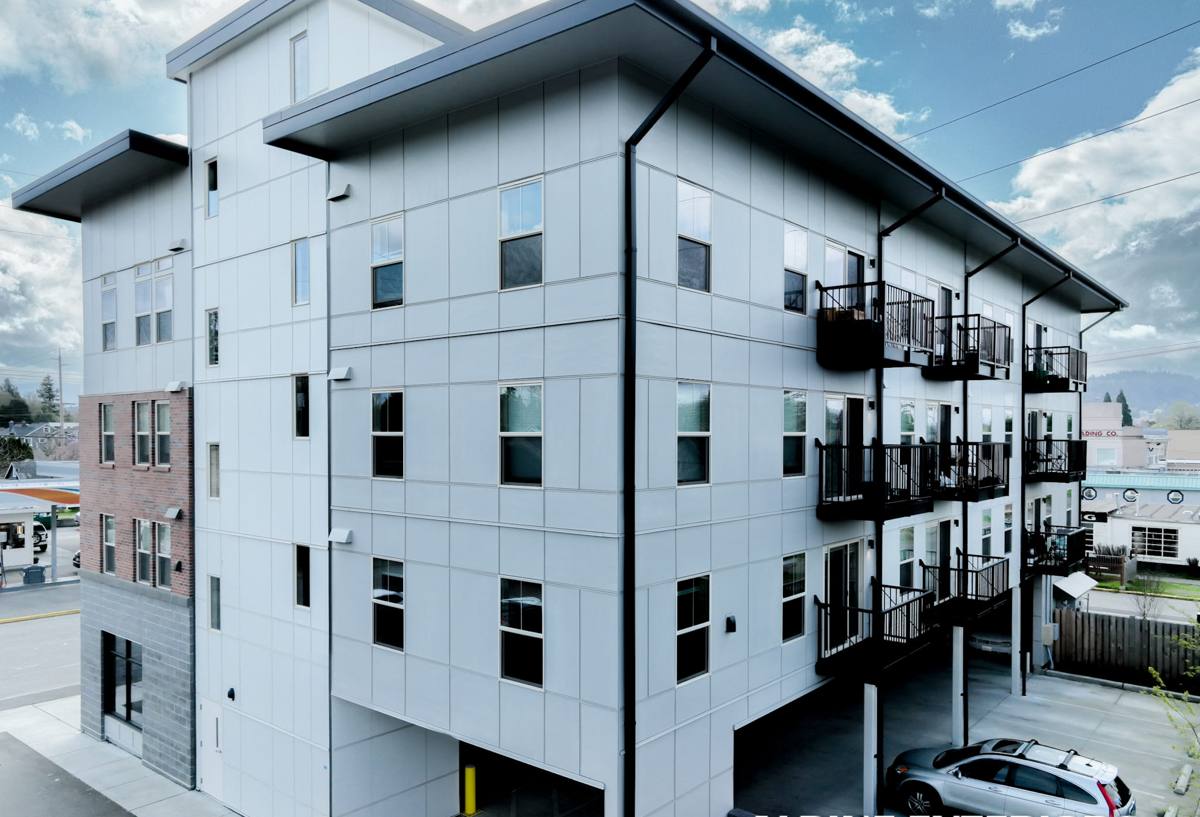
What Fairhaven's Climate Does to Siding Over Time
Salt Air and Corrosion
Airborne salt from the bay settles on exterior surfaces and accelerates the breakdown of fasteners, flashing, and any material that isn't built to resist it. Over years, this shows up as rust streaking near nail heads, pitting on metal trim, and premature wear on caulking and sealants. Siding repair in a salt-air zone has to account for corrosion-resistant fasteners and flashing, not just matching the visible surface.
Driving Rain and Wind-Driven Moisture
Whatcom County's storms often bring rain sideways, not straight down. That means water gets pushed up under laps, into seams, and behind trim in ways that vertical rain never would. Any repair that doesn't restore proper overlap, flashing, and drainage will fail again in the next windstorm, even if it looks fine on a calm day.
The Long Moss Season
Shaded, moisture-retentive spots on a home — north-facing walls, areas under eaves, spots near mature trees — support moss and algae growth for much of the year in this climate. Moss holds moisture against the siding surface far longer than open air would, softening substrates and breaking down caulk and paint film faster than in drier neighborhoods. A repair that doesn't address the moisture source behind the moss is a short-term fix at best.
Signs Your Fairhaven Home Needs Siding Repair
Most siding problems give warning signs well before they become expensive. Homeowners in this area should watch for:
- Soft or spongy spots when you press on siding, especially near the bottom of walls or below windows
- Visible cracking, chipping, or bubbling paint, particularly on sun-and-rain-exposed elevations
- Persistent moss or algae staining that returns quickly after cleaning
- Gaps, warping, or buckling where panels meet trim, corners, or window and door casings
- Rust streaks running down from nail heads or metal flashing
- Musty odors or visible staining on interior walls that share an exterior wall with damaged siding
- Peeling caulk or visibly open seams at butt joints and corners
Any one of these on its own may be minor. Several together, especially on the same wall, usually point to moisture that's already gotten past the surface.
What a Correct Siding Repair Actually Involves
A proper repair is not just cutting out a damaged section and nailing up a new piece that matches on the outside. It requires:
1. Diagnosing the Cause, Not Just the Symptom
Before any siding comes off, the real question is why that section failed. Was it a flashing gap, a caulk joint that opened up, grade or gutter issues pushing water toward the wall, or simple age and UV exposure? Replacing the panel without fixing the cause just resets the clock on the same failure.
2. Checking What's Behind the Siding
Once a section is opened up, the water-resistive barrier, sheathing, and framing underneath need to be inspected. In a climate like this one, hidden rot or long-term moisture staining behind siding is common enough that it should always be checked, not assumed away.
3. Correct Flashing and Overlap
Repairs have to restore proper shingle-lap drainage — each course overlapping the one below so wind-driven rain sheds outward instead of working its way in. Window and door flashing, kick-out flashing at roof-wall intersections, and butt-joint flashing all need to be right, not just caulked over.
4. Material and Finish Matching
A visible patch is its own kind of failure. Matching plank width, exposure, texture, and color as closely as possible keeps a repair from standing out on the wall for years.
Repair or Replace? Weighing the Factors
Not every damaged section justifies a full re-side, and not every "small" repair is actually small once you're behind the wall. These are the factors that usually decide it:
| Factor | Leans Toward Repair | Leans Toward Replacement |
|---|---|---|
| Extent of damage | Isolated to one wall or a few sections | Recurring across multiple elevations |
| Underlying moisture barrier | Intact where checked | Compromised or original barrier long past its service life |
| Age of existing siding | Under roughly half its expected service life | Near or past the end of its expected lifespan |
| Material match availability | Matching profile/finish still obtainable | Discontinued profile or heavily faded existing siding |
| Frequency of past repairs | First or second repair on the home | Repeat repairs to the same areas |
When damage is contained and the barrier behind it checks out, a well-executed repair can add years of service life at a fraction of replacement cost. When the same walls keep failing, patching around the problem stops making financial sense.
Our Repair Process
- On-site inspection: we walk the exterior, probe suspect areas, and check moisture readings where damage is suspected.
- Diagnosis and scope: we identify the root cause — flashing, drainage, grading, or material failure — and define exactly what needs to come off and what can stay.
- Written estimate: a clear scope of work and price before anything is touched, including what happens if we find additional hidden damage once we open the wall.
- Removal and inspection behind the siding: damaged material comes off carefully to protect surrounding panels, and the sheathing and barrier underneath get checked.
- Repair of the underlying issue: any compromised water-resistive barrier, flashing, or sheathing gets addressed before new siding goes back on — not just covered over.
- Installation to spec: correct nailing pattern, fastener spacing, gapping, and caulking, matched to manufacturer installation requirements.
- Cleanup and final walkthrough: we clear debris and walk the repair with you before calling it done.
Why We Repair with James Hardie Fiber Cement
When we're patching or replacing sections of siding, the material matters as much as the workmanship. We install James Hardie fiber cement exclusively, and that standard doesn't change for repair work. Fiber cement doesn't absorb water the way wood-based products can, doesn't provide the same food source for moss and algae, and holds up to salt air without the corrosion and swelling issues that affect some other materials over time.
Hardie's ColorPlus factory finish also matters for repairs specifically: because it's a baked-on finish applied under controlled conditions, replacement pieces from the same color line match far more consistently than field-painted patches do, and touch-up product is formulated to blend at cut edges and fastener heads. For a homeowner, that means a repaired section that actually looks repaired — not just patched.
We don't install LP SmartSide, vinyl, or wood siding, including on repair jobs, because we've standardized our crews, fasteners, and detailing around one non-combustible fiber cement system that we know performs in this climate when installed correctly. That consistency is part of what makes our repair work reliable — we're not guessing at how a different manufacturer's product will behave over the next decade.
Why Local Fairhaven Experience Matters
A siding crew that regularly works this specific stretch of Whatcom County already knows which elevations take the worst of the wind-driven rain, where moss builds up fastest, and how salt air tends to show up first — usually at fasteners and trim before it's visible on the field of the wall. That local pattern recognition shortens the diagnostic process and reduces the chance of a repair that misses the real cause.
It also means realistic scheduling. Repair work in a wet, mossy climate depends on getting a dry window to open the wall, let the sheathing and barrier dry if needed, and close it back up properly. A crew unfamiliar with the area's weather patterns can end up rushing a repair into marginal conditions, which risks trapping moisture behind the very siding they just fixed.
Maintaining Your Siding After a Repair
A correct repair buys you years, but a little upkeep protects that investment:
- Rinse siding gently once or twice a year to keep salt residue and grime from building up
- Trim back vegetation and tree limbs that shade walls and slow drying
- Keep gutters clear so overflow doesn't run down or splash onto siding
- Check caulk joints at trim, corners, and penetrations annually and re-caulk as needed
- Address moss regrowth early with a gentle wash rather than letting it re-establish
- Watch previously repaired sections for a season or two to confirm the fix is holding
Get a Straightforward Look at Your Siding
If you're seeing soft spots, recurring moss, or paint failure on a Fairhaven-area home, it's worth having someone who knows this climate take a look before small damage turns into a structural repair. We offer free, no-pressure estimates — we'll tell you honestly whether you're looking at a repair or something bigger, and why.