 Ferndale
 Sandy Point Decks Face a Different Kind of Wear
If you own a home in Sandy Point, you already know your deck doesn't age the way a deck does twenty miles inland. Being this close to the water in Whatcom County means salt-laden air moving through the wood grain and around every fastener, driving rain that comes in sideways during winter storms, and a moss season that can stretch from late fall well into spring. None of that is unique to any one deck, but the combination is harder on wood and hardware here than it is almost anywhere else in the Ferndale area.
We're not talking about anything dramatic — decks rarely fail all at once. What actually happens is slow: a fastener starts to weep rust, a board stays damp two days longer than it should after a storm, moss gets a foothold in a shaded corner and holds moisture against the wood. By the time it's visibly a problem, the damage underneath is usually further along than it looks from the surface.
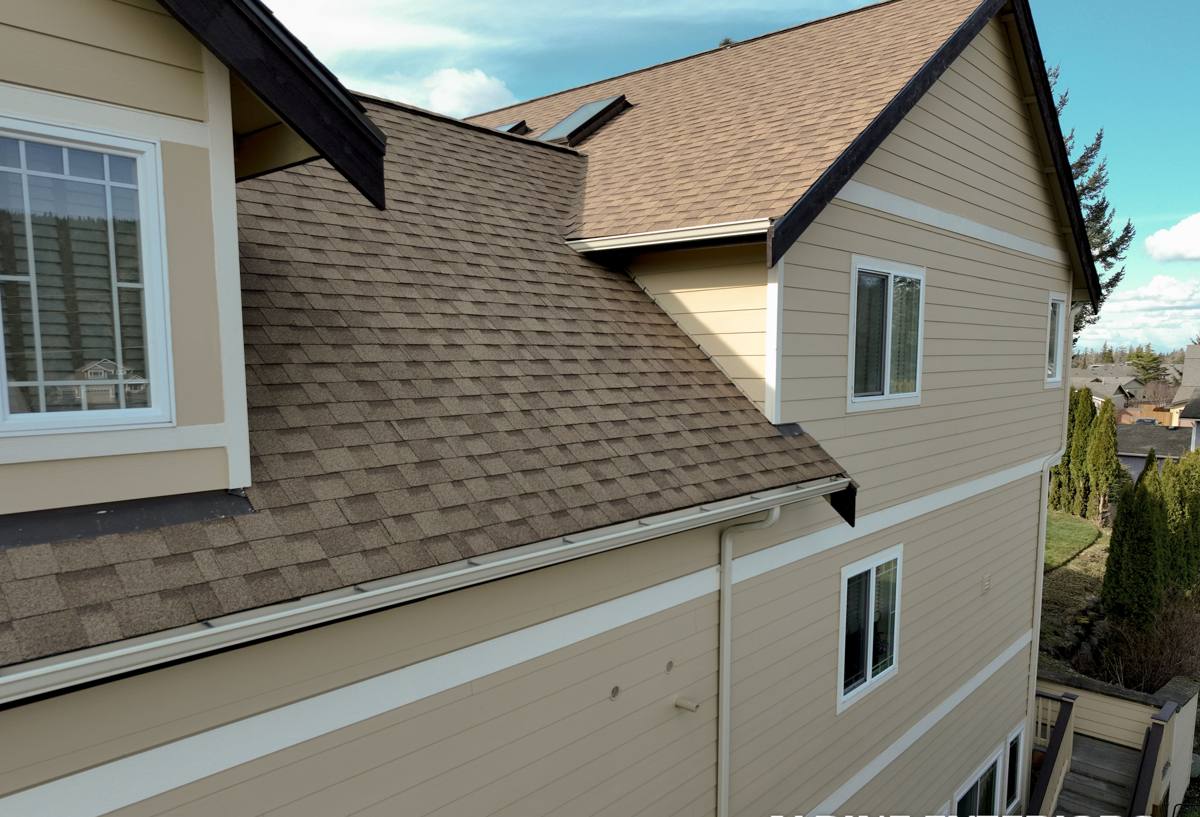
What Salt Air, Rain, and Moss Actually Do to a Deck
Salt Air and Corrosion
Salt in the air accelerates corrosion of anything metal — nails, screws, joist hangers, bolts, and railing hardware. Once a fastener starts corroding, it loses holding strength and can stain the surrounding wood, which is often the first visible clue that something underneath needs attention.
Driving Rain and Water Intrusion
Wind-driven rain doesn't behave like a gentle shower. It gets pushed sideways and upward into gaps, under flashing, and behind ledger boards where builders don't always expect water to travel. Over years, that's how rot starts in places you can't see from the top of the deck.
Moss Season and Trapped Moisture
A long moss season means extended stretches where boards, especially in shaded or north-facing areas, simply don't dry out between rains. Moss and algae hold moisture directly against the wood surface, which softens fibers, degrades finishes faster, and creates a slick, slippery walking surface long before it's an obvious rot problem.
Common Deck Problems We See in Sandy Point
- Rust staining and loosening at fastener heads, especially on older decks built before stainless or coated hardware was standard
- Soft or spongy spots near the ledger board where it attaches to the house
- Rot at post bases where wood sits close to grade or standing water
- Delamination or swelling at the cut edges of composite boards where the core is exposed
- Moss and algae buildup on shaded boards and stair treads, creating a slip hazard
- Failing or under-spec'd flashing where the deck meets the house siding
What a Correct Deck Repair Actually Involves
A repair that actually holds up here starts with more than replacing the boards that look bad. We look at the structure first, because that's where the real risk lives.
Structural Inspection
This means checking the ledger board attachment and flashing, probing joists and beams for soft spots, and checking post bases and footings — particularly on decks close to grade where water can pool. A board can look fine on top while the joist underneath is compromised.
Moisture and Damage Assessment
We identify how far rot or corrosion has actually spread before deciding what needs to be replaced versus what can be cleaned, treated, and kept. Cutting out more than necessary wastes money; leaving compromised wood in place creates a repair that fails again in a season or two.
Correct Materials for the Exposure
Matching the existing decking is only part of it. Fasteners, flashing, and any hidden framing repairs need to be rated for the environment, not just whatever's cheapest at the yard. This is where a lot of quick patch jobs fall short — they solve the visible problem and leave the same corrosion-prone hardware in place.
Drainage and Ventilation
Wherever possible, we address the conditions that caused the damage, not just the symptom. That can mean improving airflow underneath a low deck, correcting a flashing detail, or regrading a spot where water collects against a post.
Repair or Replace? What Actually Tips the Decision
Homeowners often ask whether it's worth repairing an older deck at all. The honest answer depends on how far the damage has spread and how the structure was built in the first place.
| Factor | Repair Usually Makes Sense | Replacement Usually Makes Sense |
|---|---|---|
| Ledger board / framing | Damage limited to isolated joists or boards | Widespread rot at ledger, multiple beams, or main support posts |
| Age of deck | Under 15-20 years, built to a reasonable spec | Older deck built before current fastener and flashing standards |
| Fastener condition | Localized corrosion, structure otherwise sound | Corrosion widespread throughout the fastener pattern |
| Decking material | Boards sound, surface wear or isolated rot only | Composite delamination spreading across multiple boards |
| Footings/posts | Solid, no movement or settling | Undersized, settling, or showing rot at grade |
In a lot of cases the right answer is a hybrid: keep sound framing and footings, replace decking and hardware, and correct whatever detail let water in to begin with. We'll tell you honestly which category your deck falls into rather than pushing a full rebuild when a targeted repair will genuinely hold.
Our Process for Sandy Point Deck Repairs
- On-site inspection. We walk the whole deck, check underneath, and probe suspect areas rather than just looking at the surface.
- Written assessment. You get a clear explanation of what's damaged, what's causing it, and what's actually needed — not a vague estimate.
- Material selection. We choose decking, fasteners, and flashing suited to salt air and coastal rain exposure, not just whatever matches on price.
- Repair work. Structural repairs first, then decking, railing, and any drainage or ventilation corrections.
- Finish and seal. Where wood is involved, proper sealing matters more here than in drier parts of the county — we don't skip this step.
- Final walkthrough. We show you what was done and what to watch for going forward.
Materials and Fasteners That Actually Hold Up Near the Water
Our standard for coastal exposure is stainless steel or high-grade coated fasteners for any structural connection, rather than standard galvanized hardware that corrodes faster in salt air. It costs a bit more up front, but replacing a handful of corroded fasteners every few years is a worse deal than doing it right once.
On decking material, cedar has real advantages in appearance and natural rot resistance but needs consistent maintenance to keep performing in this climate — sealing gaps let moisture in fast during moss season. Composite decking cuts down on maintenance but is more sensitive to installation details like gapping and edge sealing; done wrong, moisture gets into the core and it delaminates. We'll walk you through the honest maintenance trade-offs for your specific deck rather than assuming one material is automatically right.
A Practical Maintenance Checklist for Sandy Point Homeowners
- Sweep debris and standing moss off the deck surface before winter rains set in
- Check fastener heads each fall for rust staining or loosening
- Look under the deck once a year for soft framing, staining, or standing water
- Keep gutters and downspouts clear so runoff isn't landing directly on or near the deck
- Re-seal exposed wood on a regular schedule rather than waiting for visible graying or cracking
- Address moss on stairs and high-traffic areas promptly — it's a slip hazard, not just cosmetic
Why Hiring a Crew That Already Works in Sandy Point Matters
A contractor who mostly works inland doesn't always think in terms of salt air corrosion or how long moisture sits during a Whatcom County moss season. That shows up in small decisions — which fastener grade they default to, whether they flag a flashing detail as a priority, how they think about drainage under a low deck. Working in this specific area regularly means those details aren't an afterthought; they're the starting point.
It also means faster, more accurate estimates. We're not guessing at how conditions here affect a deck — we've seen the pattern of damage this environment produces and know what to check first.
Get an Honest Look at Your Deck
If your deck in Sandy Point has soft spots, rusting hardware, persistent moss, or you're just not sure how much life it has left, we're happy to take a look. The estimate is free, there's no pressure to sign anything on the spot, and you'll get a straight answer about whether you're looking at a repair or something bigger. Fill out the form below to get started.