 Ferndale
 Roof Repair Built for Nooksack's Climate, Not a Generic Fix
Homes in the Nooksack area deal with a specific combination of weather that a lot of roofing companies never have to think hard about: long stretches of damp, low-angle sun that keeps roofs wet for days after a storm, driving rain that comes in sideways off frequent Pacific systems, and marine air moving through Whatcom County that speeds up corrosion on fasteners and flashing. None of that is exotic if you work here every week. It's just what a Whatcom County roof has to survive, season after season. A repair that doesn't account for it is a repair you'll be paying for again in a year or two.
This page is about roof repair specifically — not full tear-offs, not general roofing advice. If your roof near Nooksack has a leak, a damaged section, moss buildup that's starting to lift shingles, or storm damage from wind and debris, this is what a correct repair looks like and how we approach it.
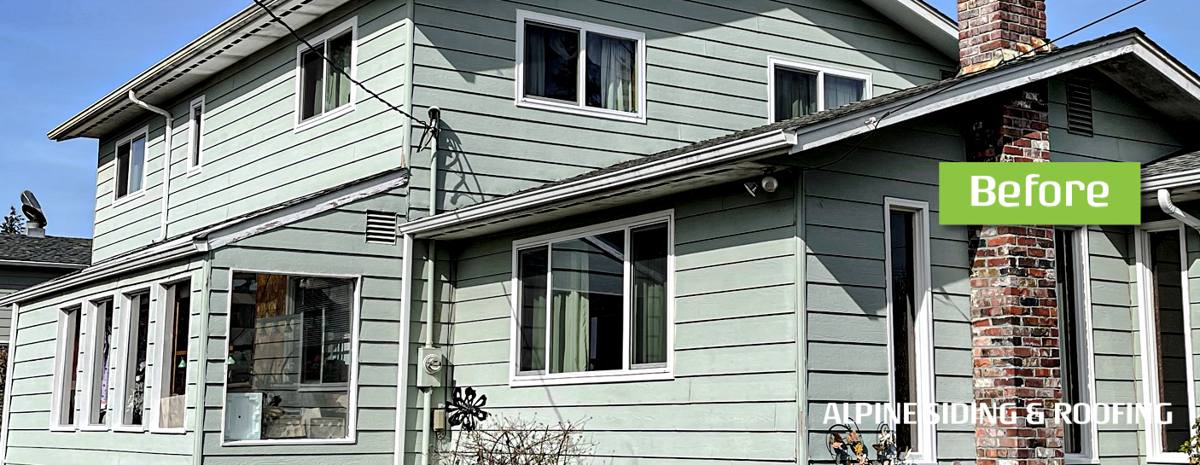
What Nooksack-Area Roofs Are Actually Up Against
Moss and Organic Growth
Whatcom County's moss season isn't a cosmetic issue — it's a structural one if it's ignored long enough. Moss holds moisture against the roofing material, which keeps shingles and the decking underneath wetter than they should be for longer than they should be. Over a few seasons, moss mats can work their way under shingle tabs and lift them just enough to let wind-driven rain past the shingle's designed drainage path. On roofs with heavy tree cover, which describes a lot of properties around Nooksack, moss and organic debris in valleys and around penetrations is one of the most common root causes we find when we're called out for "a leak that comes and goes."
Wind-Driven Rain and Flashing Failures
Most leaks we diagnose in this area aren't from a hole in the field of the roof — they're from flashing. Rain that's being pushed sideways by wind finds any gap around a chimney, skylight, vent pipe, or roof-to-wall transition and works its way in, sometimes traveling several feet along the decking before it shows up as a stain on a ceiling. This is a pattern specific to areas that get a lot of driving rain rather than straight-down rain, and it's exactly the kind of leak that a quick surface patch won't actually solve.
Marine Air and Metal Fatigue
The salt-tinged marine air that moves through Whatcom County off the Salish Sea accelerates corrosion on exposed metal — flashing, fasteners, gutter hardware, and any older galvanized components. Corroded fasteners back out or lose their seal over time, which is a slow, quiet way for a roof to start leaking with no obvious storm event to blame it on.
Signs a Nooksack Roof Needs Repair Now, Not Later
Catching these early is almost always cheaper than waiting until there's interior damage:
- Dark streaking or thick moss growth concentrated on north-facing or shaded slopes
- Granules collecting in gutters or at downspout outlets (a sign shingles are wearing thin)
- Curling, cracked, or lifted shingle tabs, especially near valleys and edges
- Rust staining or visible gaps around flashing at chimneys, skylights, and vent pipes
- Water stains on interior ceilings that appear only during heavy wind-driven storms
- Sagging or soft spots anywhere on the roof deck when walked
- Daylight visible through the attic roof deck at nail holes or seams
- Missing shingles or exposed underlayment after a windstorm
If you're only seeing one or two of these, it's usually a repair situation. If you're seeing several at once, especially soft decking or interior staining across multiple rooms, that's worth an honest conversation about whether repair still makes sense or a section needs replacing.
What a Correct Repair Actually Involves
Finding the Real Leak Path First
Water doesn't always show up where it enters. A stain on a bedroom ceiling might trace back to a flashing gap ten feet away, with the water traveling along a rafter or the underside of the decking before it drips somewhere visible. A repair that just patches the spot where the stain appeared, without tracing the actual path, is a repair that fails again in the next storm. We inspect the roof itself, not just the ceiling underneath it, before we quote or start any repair work.
Matching Materials and Manufacturer Specs
Shingles, underlayment, and flashing all have installation specs from the manufacturer — nailing patterns, overlap requirements, sealant compatibility. A repair that mixes incompatible materials, or reuses old flashing that's already corroded, might look fine for a season and then fail. We match materials to what's already on the roof where possible, and we don't cut corners on flashing just because it's a smaller job than a full roof.
Addressing the Cause, Not Just the Symptom
If moss caused the lifted shingles, a proper repair includes dealing with the moss and improving drainage in that area — not just replacing the damaged shingles and leaving the same conditions to cause the same problem again. If tree debris keeps clogging a valley, that's worth flagging too. A repair that ignores the underlying cause is a repair with a short shelf life.
Repair vs. Replacement: How We Help You Decide
Not every damaged roof needs to come off. Here's how we think through it with homeowners:
| Factor | Favors Repair | Favors Replacement |
|---|---|---|
| Age of roof | Under 15-20 years, depending on material | Near or past expected lifespan |
| Extent of damage | Isolated to one section or a few penetrations | Widespread across multiple slopes |
| Decking condition | Solid, no soft spots found | Soft or rotted decking in multiple areas |
| Shingle condition elsewhere | Rest of roof still has granule coverage and flexibility | Granule loss and brittleness roof-wide |
| History of leaks | First occurrence, clear single cause | Recurring leaks in different spots over time |
We'll tell you honestly which side of that table your roof falls on. If repair is the right call, that's what we'll recommend and price — we don't push replacement on a roof that doesn't need it.
Our Process for a Nooksack Roof Repair Call
- Inspection. We get on the roof (not just a look from the ground) to check the field, flashing, valleys, and penetrations, and we check the attic side for staining or decking damage where accessible.
- Diagnosis and explanation. We walk you through what we found, what's causing it, and why — in plain terms, not a sales pitch.
- Written estimate. A clear scope of work and price before anything starts, including what materials we'll use.
- The repair itself. Proper tear-out of the damaged section, correct flashing and underlayment detail, and matched shingle or roofing material.
- Cleanup and check. Job site cleared of debris and nails, and a final check that the repair area sheds water correctly.
Materials and Methods We Use, and Why
For most repairs on composition shingle roofs, we use materials that match manufacturer specifications for the existing roof system so the repair holds warranty coverage where applicable. On flashing, we prioritize proper step-flashing and counter-flashing techniques over relying on sealant alone — sealant degrades with UV and temperature cycling and isn't a substitute for correctly lapped metal. For moss, we recommend treatment and, where it makes sense, zinc or copper strips as a preventive measure, since ongoing moss control is cheaper than repeated shingle repair caused by moss damage. We're upfront when a certain product or shortcut repair might look fine short-term but creates a maintenance burden or moisture risk down the road — our standard is to recommend what holds up in this climate, even if it's not the cheapest option in the moment.
Why Hiring a Crew That Already Works Nooksack Matters
Roof repair is one of those jobs where local experience actually changes the outcome. A crew that regularly works properties around Nooksack and greater Ferndale already knows how moss builds up on the tree-shaded lots common to this area, how driving rain off Pacific storm systems tends to find the same flashing weak points, and how quickly marine air corrodes exposed fasteners left over from an older repair. That's not something you learn from a manual — it's from doing the work here repeatedly.
There's also a practical side: a local crew can typically get to a leak faster during storm season, which matters when water is actively getting into your home. And a contractor who plans to keep working in this area has a real incentive to do the repair right the first time, because reputation in a smaller community like this travels.
A Few Honest Notes Before You Call Anyone
- Get a written scope of work, not just a verbal price — repairs are easy to under-scope verbally and then upsell once the crew is on the roof.
- Ask whether the quote includes flashing work or just shingle replacement — flashing is usually the actual fix for a leak.
- Be cautious of any repair quote that doesn't include an on-roof inspection first.
- Ask what happens if they find decking damage once they open up the repair area — a fair contractor will have a clear process for that, not a surprise change order.
If you've got a leak, storm damage, or moss buildup on a roof near Nooksack or anywhere in the greater Ferndale area, we're happy to take a look and give you a straight answer on what it needs. There's a free, no-pressure estimate form below — fill it out and we'll get back to you with next steps.