 Ferndale
 Roofing for a Peninsula Climate
Lummi Nation sits right up against the water in Whatcom County, and that location shapes what a roof has to survive here. Homes get more than the standard Pacific Northwest wet season — they get salt-laden air blowing off the bay, wind-driven rain that finds every gap in poor flashing work, and enough tree cover and shade in places to keep moss growing nearly year-round. An asphalt shingle roof that would hold up fine forty miles inland can wear out early here if it wasn't built for these specific conditions.
Salt Air and Corrosion
Salt air isn't just a coastal Florida problem. It settles on exposed metal — nail heads, flashing, gutter hardware, roof vents — and speeds up corrosion over time. On a roof, that shows up first in fasteners and flashing, not in the shingles themselves. Cheap or under-spec metal components will rust and fail years before the shingles they're supposed to be protecting.
Driving Rain and Wind
Storms coming off the water don't always fall straight down. Wind-driven rain pushes water sideways and upward under shingle tabs, into valleys, and around any penetration in the roof — vent pipes, chimneys, skylights. A roof that only handles vertical rainfall well isn't enough out here; every seam and transition needs to be built assuming water will be pushed at it from an angle.
Moss, Shade, and Long Wet Seasons
Whatcom County's wet season runs long, and shaded, north-facing, or tree-covered sections of roof stay damp for days after a storm passes. That's exactly the environment moss needs to take hold. Once moss establishes on a shingle roof, it holds moisture against the shingle surface, lifts tabs as it grows, and can work its way under the shingle edge over a few seasons — well before the shingles themselves would otherwise have worn out.
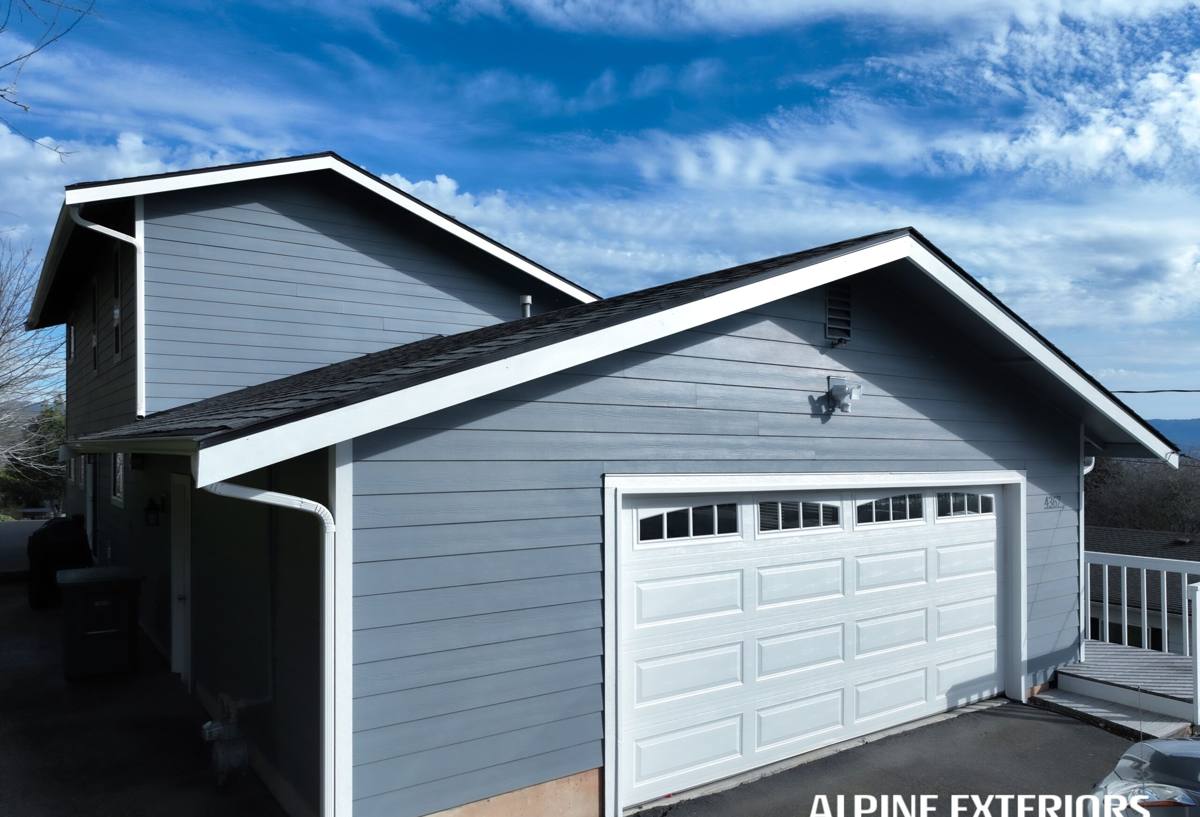
What "Correct" Installation Actually Means Here
A shingle roof looks simple from the ground, but the parts that actually keep water out are mostly things you can't see once the job is done. In a climate like this, the details underneath the shingles matter more than the shingle brand on top.
Underlayment as the Real Waterproofing Layer
Shingles shed the bulk of the water, but the underlayment beneath them is the actual waterproof barrier if wind or ice ever pushes water past a shingle edge. In areas that see sustained wind-driven rain, we treat underlayment as a primary defense, not an afterthought, and we pay particular attention to synthetic or self-adhering membrane at eaves, valleys, and low-slope transitions where water has the most opportunity to back up.
Attic and Roof Ventilation
A shingle roof that isn't ventilated correctly traps moisture in the attic, which shortens the life of the roof deck from underneath — regardless of how good the shingles are. Balanced intake at the eaves and exhaust at the ridge keeps air moving, which matters even more in a marine climate where humidity is already high most of the year.
Flashing Where Roofs Meet Walls, Chimneys, and Vents
Almost every roof leak we get called out to fix traces back to flashing, not shingles. Step flashing where a roof meets a sidewall, counter-flashing at chimneys, and properly sealed boots at vent pipes are where driving rain finds its way in if they're installed loosely or if cheaper materials were used. We use flashing rated for the exposure and install it to shed water in every direction the wind here can push it.
Choosing the Right Shingle for This Environment
Shingle choice matters less than installation quality, but it isn't irrelevant. For homes exposed to salt air and heavy moss pressure, a few product differences are worth understanding before you decide what to put on your roof.
| Shingle Type | Typical Lifespan Here | Moss/Algae Resistance | Best Fit |
|---|---|---|---|
| 3-tab asphalt | Shorter end of the range in this climate | Standard, no built-in resistance | Budget-conscious re-roofs, secondary structures |
| Architectural / laminate | Longer, more durable in wind and rain | Available with algae-resistant granules | Most primary homes in this area |
| Algae-resistant (copper/zinc granule) | Same base as architectural | Actively resists moss/algae growth | Shaded lots, north-facing slopes, tree cover |
| Impact-rated | Comparable to architectural | Same as base product line | Homes wanting extra durability against debris and hail |
For most Lummi Nation homes, we lean toward architectural shingles with algae-resistant granules, especially on shaded or tree-lined lots. The upgrade cost is modest compared to the labor of a full roof, and it directly addresses the moss problem this area deals with rather than just delaying it.
Our Process, Start to Finish
Inspection and an Honest Estimate
We start by actually getting on the roof — not just looking from the ground — to check the deck condition, existing flashing, ventilation, and how much moss or moisture damage is already present. You get a written estimate that spells out what's being replaced and why, not a vague lump sum.
Tear-Off vs. Roof-Over
Washington building code and simple long-term performance both point toward a full tear-off in most cases, especially on a coastal property. Roofing over old shingles traps moisture, hides deck problems, and voids many manufacturer warranties. We'll tell you plainly if a roof-over is even an option for your situation, but we don't recommend it as standard practice here.
Installation Day
Deck inspection and repair happens first — any soft, rotted, or water-stained sheathing gets replaced before anything else goes down. Then underlayment, drip edge, valley protection, and flashing go in per manufacturer spec, followed by the shingles themselves, installed with the fastener pattern and nailing zone the manufacturer requires for wind rating in this exposure.
Cleanup and Final Walkthrough
We use tarps and magnetic sweeps to keep the yard and driveway clear of old material and stray nails, and we walk the finished roof and the property with you before calling the job done.
Repair vs. Replacement: Know the Signs
Not every roof problem means a full replacement. Knowing what to look for helps you catch small issues before they turn into deck damage or interior leaks.
- Granules collecting in gutters or at downspout outlets — a sign of shingle wear
- Curling, cracking, or lifted shingle tabs, especially on the sides facing prevailing wind
- Visible moss or dark streaking on shaded slopes
- Soft spots or sagging when walking the attic above the roof deck
- Daylight visible through the roof boards from inside the attic
- Water stains on interior ceilings, especially near chimneys, skylights, or where a roof meets a wall
- Missing or damaged flashing after a windstorm
If you're seeing one or two of these on an otherwise sound, mid-life roof, a targeted repair is often the right call. Several of these together, or a roof nearing the end of its expected lifespan, usually means replacement is the more cost-effective path.
Maintenance That Actually Extends Roof Life
Asphalt shingles don't need much upkeep, but a little attention goes further here than in a drier climate. Keeping gutters clear so water doesn't back up under the eave edge, trimming back branches that shade the roof and feed moss growth, and having moss physically removed (rather than just chemically treated) every couple of years on affected slopes all add real years to a roof's service life. Pressure washing shingles is not something we recommend — it strips granules and does more damage than the moss it removes.
Cost Factors for a Lummi Nation Roofing Project
Every roof is priced on its own specifics, but the same handful of factors drive most of the difference between one job's estimate and another's.
| Factor | Why It Matters Here |
|---|---|
| Roof size and pitch | More material and steeper, harder-to-work slopes both increase labor |
| Deck condition | Water or moss damage found during tear-off adds sheathing repair |
| Shingle grade | Algae-resistant and impact-rated products cost more upfront but reduce moss and storm damage over time |
| Number of penetrations | Chimneys, skylights, and multiple vents each need proper flashing work |
| Access and site conditions | Tree cover, tight lot lines, or difficult equipment access affect labor time |
We break these out in the estimate so you can see exactly where the cost is going, rather than a single number with no explanation behind it.
Working on Tribal Land: What's Different
Roofing work on Lummi Nation property can involve permitting and jurisdictional steps that differ from a standard county project elsewhere in Whatcom County. We coordinate with homeowners ahead of time to confirm what's required for a given property before work starts, rather than assuming county rules apply by default. If you're not sure what applies to your situation, we're happy to walk through it with you as part of the estimate process.
Why Hire a Crew That Already Works This Area
A roofing crew that's worked Lummi Nation and the surrounding Ferndale area repeatedly already knows how the wind sits on a given exposure, which slopes hold moss longest, and what flashing details actually hold up against driving rain off the water — not just what a manufacturer spec sheet says on paper. That local pattern recognition shows up in fewer callbacks and a roof that's built for the conditions it will actually face, not a generic installation dropped in without regard for the site.
If you'd like a straight answer on whether your roof needs repair or replacement, or just want a clear, itemized estimate for a new asphalt shingle roof, we're glad to take a look. There's no pressure and no obligation — just fill out the form below to get started.