 Ferndale
 Composite Decking in Kendall: A Different Set of Problems Than the Catalog Photos Show
Kendall sits back from the water compared to Ferndale proper, but it doesn't escape Whatcom County's weather — it just gets a different version of it. Where a deck closer to Bellingham Bay deals with salt-tinged air and open exposure, a deck in Kendall is more likely to sit under a stand of fir or cedar, tucked into a yard that stays damp and shaded for long stretches of the year. Add the county's driving winter rain and a moss season that can realistically run six months, and you've got a climate that punishes decking choices made on looks alone. Composite decking, installed correctly, handles this combination better than most alternatives — but "installed correctly" is doing a lot of work in that sentence, and it's the part most jobs skip.
This page is specifically about composite decking for homes in and around Kendall. Not a generic rundown of composite products — the actual build considerations that matter when a deck is going into a shaded, moisture-heavy lot in this part of the county.
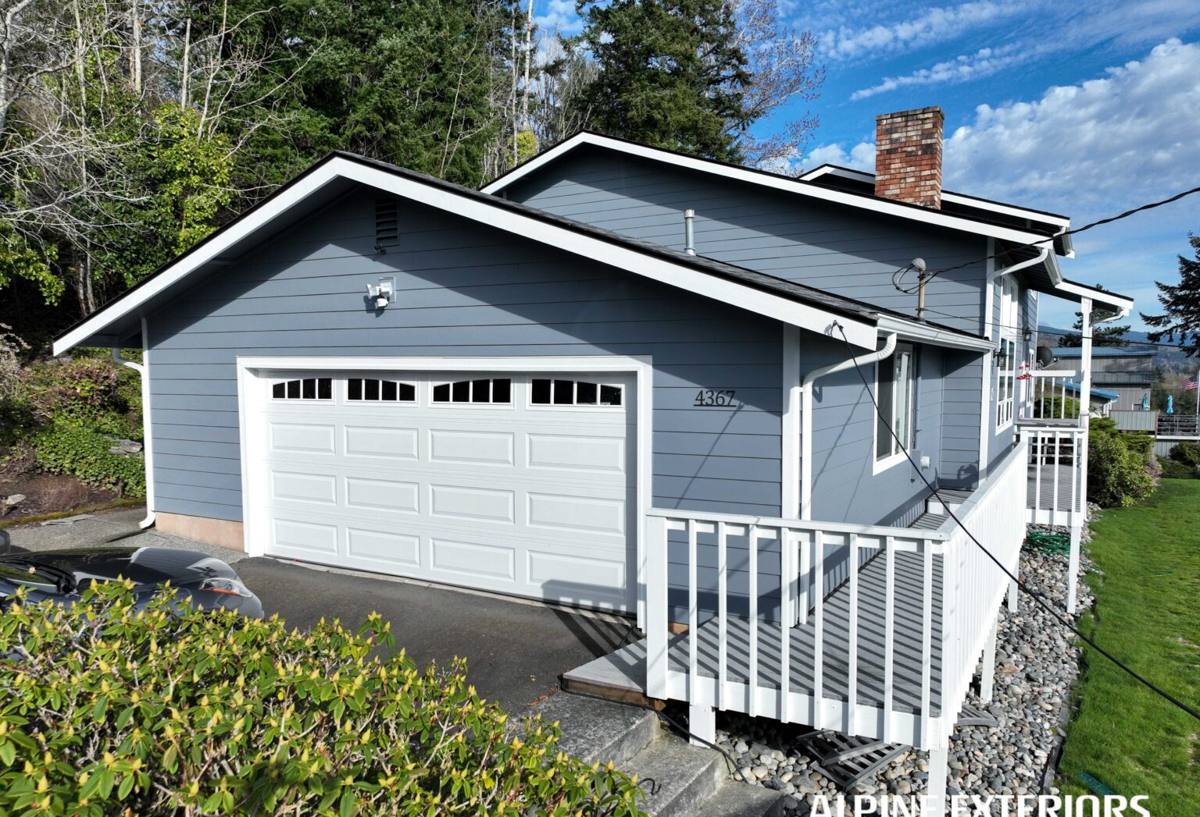
What Kendall's Setting Actually Does to a Deck
Three things show up over and over on decks we look at in this area:
- Shade and slow drying. Tree cover keeps a deck damp long after the rain stops elsewhere. Boards, framing, and fasteners all stay wet longer, which speeds up mold, algae, and moss growth on any surface that holds moisture.
- Organic debris. Needles, leaves, and seed litter collect in board gaps and against ledger boards. Left alone, that debris holds water against the surface and becomes a growing medium for moss and mildew.
- Regional moisture load. Whatcom County's marine-influenced climate — the same driving rain and damp air that affects the coastline — still reaches inland communities like Kendall through humidity and a long wet season, even without direct salt spray.
None of these are exotic problems. They're exactly why composite decking exists as a product category — but only if the board and the substructure underneath it are matched to the actual conditions, not just picked off a sample board in a showroom.
Why Composite Is the Right Call for This Kind of Lot
Wood decking in a shaded, damp yard is a maintenance commitment: annual cleaning, re-staining, and constant vigilance against rot at fastener points and board ends. Most homeowners in Kendall don't want that schedule, and we don't blame them. Composite decking — when it's a quality capped product, correctly fastened and ventilated underneath — doesn't absorb water the way wood does, doesn't need staining, and resists the moss and algae staining that's nearly unavoidable on wood in a shaded lot.
That said, composite isn't maintenance-free, and we tell every customer that upfront. It still needs periodic cleaning to stay ahead of surface mildew and pollen film, and the quality of the install matters as much as the quality of the board. A great board on a poorly built substructure will still trap moisture, sag, or grow moss in the gaps — the material doesn't fix a bad frame.
Where We Draw the Line on Products
We install composite decking from established manufacturers with a track record of holding up in wet Pacific Northwest conditions, and we're upfront when a particular board, color, or fastening system isn't a good fit for a shaded, damp lot. Uncapped or lower-grade composite boards can absorb more moisture at cut ends and are more prone to surface mold in low-light conditions — that's a maintenance and warranty tradeoff we walk through with every customer before material gets ordered, not a claim about any one brand being defective.
What a Correct Composite Deck Build Involves
The board is maybe a third of the job. The rest is substructure work that determines whether the deck sheds water and dries out between rains, or holds moisture and grows moss year-round.
Substructure and Framing
- Joists sized and spaced to the manufacturer's span tables for the specific composite board — composite requires tighter spacing than most people assume, especially for angled or picture-frame layouts.
- Joist tape or a comparable protective barrier on top of every joist, so the framing lumber underneath isn't sitting under a wet composite board with no protection.
- Proper ledger flashing where the deck ties into the house, so water is directed away from the wall rather than trapped behind the band board.
Drainage and Airflow
- Adequate under-deck ventilation and clearance to grade, so air can move and the space actually dries out between storms instead of sitting damp under shade.
- Correct slope away from the house for surface drainage.
- Board gapping sized for the specific product and expected seasonal movement, so water and debris don't pack into tight seams.
Fastening and Finish Details
- Hidden fastener systems or manufacturer-approved face-screwing, installed per spec — composite that's fastened wrong can buckle, gap unevenly, or void the warranty outright.
- Picture-framed or capped board ends wherever a cut edge is exposed, since cut composite ends absorb moisture differently than the factory-capped face.
- Stair stringers and railing posts blocked and fastened to framing, not just the decking surface, for long-term stability.
Our Process for a Kendall Deck Project
- On-site assessment. We look at sun exposure, tree cover, drainage patterns, and the existing structure (if there is one) before recommending anything.
- Board and layout recommendation. We walk through composite options suited to a shaded, damp lot, including color considerations — darker boards show less pollen and debris staining, but can run warmer in the rare full-sun spot.
- Substructure build or repair. Framing, joist protection, flashing, and drainage get built or corrected before a single composite board goes down.
- Decking installation. Boards, fasteners, and finish trim installed to manufacturer spec, with attention to gapping and end treatment for this climate.
- Final walkthrough. We cover cleaning basics and what to watch for in year one, especially through the first wet season.
Comparing Decking Materials for a Shaded, Damp Lot
| Factor | Capped Composite | Pressure-Treated Wood | Uncapped Composite |
|---|---|---|---|
| Moisture resistance | High — sealed shell resists absorption | Moderate — treated but still absorbs and swells | Moderate — core can wick moisture at cut ends |
| Moss/algae resistance in shade | Good, especially with regular cleaning | Poor — moss and mildew take hold quickly in shade | Fair — more prone to surface staining than capped boards |
| Annual maintenance | Periodic wash-down | Cleaning, sealing/staining most years | Periodic wash-down, more attention to cut ends |
| Typical lifespan (correct install) | 25+ years | 10–15 years before major repair/replacement | 15–25 years |
| Upfront material cost | Higher | Lowest | Mid-range |
What Drives Cost on a Kendall Deck
Every project is different, but the same handful of factors move the price up or down on most jobs we quote in this area:
| Factor | Why It Matters |
|---|---|
| Substructure condition | An existing frame that's rotted or under-built (common on older shaded decks) needs rebuilding before new decking goes on — this is the single biggest cost swing. |
| Deck size and shape | Picture-framing, angled layouts, and multiple levels add labor and cut-end finishing work beyond a simple rectangle. |
| Board tier | Capped composite costs more upfront than uncapped or wood, but reduces maintenance and re-do costs over the deck's life. |
| Height and railing requirements | Taller decks need code-compliant railings and sometimes additional footings, which adds material and labor. |
| Site access | Wooded, sloped, or tight-access lots — common in Kendall — can add time for material handling and equipment limitations. |
We give straightforward, written estimates broken down by these factors so homeowners can see where the money is going rather than a single lump number.
Living With a Composite Deck in This Climate
A correctly built composite deck in Kendall is low-maintenance, not no-maintenance. A few habits keep it looking right through the wet season:
- Sweep needles, leaves, and seed debris out of board gaps regularly — don't let organic material sit and hold moisture against the surface.
- Rinse or wash the deck surface a couple of times a year, more often under heavy tree cover, to stay ahead of pollen film and surface mildew before it sets in.
- Keep gutters and downspouts near the deck clear so roof runoff isn't dumping extra water onto or under the structure.
- Trim back overhanging branches where practical to reduce shade and debris load on the deck surface.
- Check railing posts and stair connections annually for movement, especially after the first full wet season.
Mistakes We See on Older or DIY Decks in This Area
A lot of our composite decking calls in Kendall start as repair or replacement jobs, not new builds. The recurring issues are almost always substructure or install mistakes, not the decking material itself:
- No joist protection tape, leading to rotted framing under decking that still looks fine on the surface.
- Ledger boards attached without proper flashing, letting water track into the house band board over time.
- Composite boards face-screwed with the wrong fastener spacing, causing uneven gaps and premature wear at screw holes.
- Under-deck space with no ventilation or grade clearance, keeping the whole structure damp long after rain stops — a serious problem under tree cover.
- Cut board ends left unfinished, allowing moisture into the core at the most vulnerable point on the board.
Every one of these is preventable with a correct build. None of it shows up as a warranty claim against the composite manufacturer — it shows up as a callback for the installer, which is exactly why the substructure work matters as much as the board selection.
Why a Crew That Already Works Kendall Matters
Composite decking specs and building code requirements don't change town to town, but the practical judgment calls — how much ventilation a shaded lot actually needs, which board colors hold up against needle debris, how aggressive the moss and algae growth really gets under a given tree canopy — come from having built decks in this specific setting before. A crew that treats every Kendall property like a generic build in a sunny, open yard is going to under-spec ventilation and drainage, and the homeowner finds out the hard way during the first long wet stretch. We work throughout Ferndale and the surrounding Whatcom County area, including Kendall, and we build to the conditions actually present on the lot, not a one-size-fits-all spec sheet.
Get a Straight Answer on Your Deck Project
If you're planning a new composite deck or replacing one that's struggling with moss, staining, or soft spots, we're happy to take a look and give you an honest assessment — what your lot's shade and drainage situation actually calls for, and a clear, itemized estimate with no pressure to sign anything on the spot. The form below gets you a free estimate; there's no cost or obligation to have us come take a look.