 Ferndale
 Cordata sits close enough to the water and the Nooksack lowlands that its homes take a specific kind of beating: salt-laden air moving in off the Strait, driving rain that comes sideways more often than straight down, and a moss season that can run eight months out of the year in shaded, north-facing spots. Siding here doesn't fail because it's old — it fails because it was never matched to this climate in the first place. If you're looking at soft spots, bubbling paint, or siding that stays damp for days after a storm, this page walks through what a correct replacement looks like for a Cordata home, and why the details matter more here than in a lot of other places.
Why Cordata Homes Wear Out Siding Faster
Whatcom County's marine climate isn't just "rainy" — it's a combination of moisture, salt, and low sun angle that stacks the deck against certain siding materials. Understanding the specific stressors helps explain why some replacement jobs last twenty-plus years and others need attention again in five.
Salt Air and Corrosion
Even a few miles inland from the Strait of Georgia, airborne salt settles on exterior surfaces and works its way into seams, fasteners, and any exposed wood grain. Salt is hygroscopic — it pulls moisture out of the air and holds it against the surface it's sitting on. On siding that isn't built to handle that, this means faster paint breakdown, corroding fasteners, and wood fibers that stay damp longer than they should.
Driving Rain and Wind-Driven Moisture
Cordata's exposure means rain doesn't always fall straight down — wind pushes it sideways into wall assemblies, gaps at trim, and lap joints. Siding and flashing details that would be adequate in a calmer climate get overwhelmed here. Water finds the smallest gap in a butt joint or a poorly caulked seam and works its way behind the siding, where it can sit against sheathing for weeks.
Moss, Shade, and the Long Wet Season
Many Cordata lots have mature trees and homes close enough together that north- and east-facing walls barely see direct sun for months. Combine that with our long wet season and you get ideal moss and algae growth conditions. Moss holds moisture directly against the siding surface, which accelerates rot in wood-based products and can stain and degrade coatings on anything not engineered to resist it.
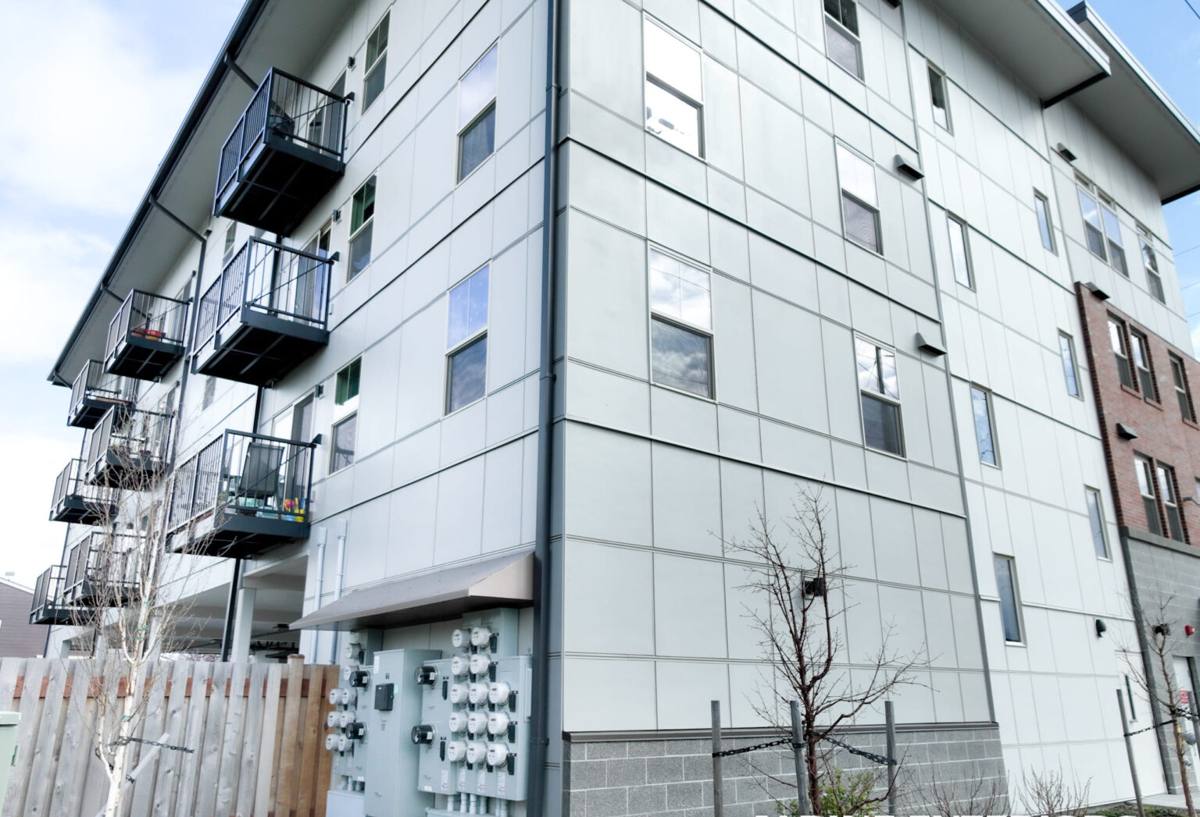
What "Correct" Siding Replacement Actually Involves
Replacing siding isn't just stripping old material and nailing up new panels. A job done right addresses everything behind the siding, not just what you see from the street.
- Full tear-off and sheathing inspection — every wall is stripped down so the sheathing underneath can be checked for rot, delamination, or soft spots before anything new goes up.
- Repair or replace damaged sheathing and framing — covering over compromised wood just traps the problem under new siding.
- Correct weather-resistive barrier (house wrap) — installed and lapped properly so water sheds outward, not into the wall cavity.
- Proper flashing at every penetration — windows, doors, hose bibs, vents, and any other wall penetration need dedicated flashing, not just caulk.
- Rainscreen or drainage gap where called for — a small air gap behind the siding lets any moisture that does get in drain and dry out instead of sitting against the wall.
- Manufacturer-spec fastening and clearances — correct nail placement, siding-to-grade clearance, and joint treatment, all per the manufacturer's installation manual.
- Factory-finished material with sealed cut edges — every field cut gets sealed so raw edges aren't left exposed to weather.
Skip any one of these steps and you've got new-looking siding sitting on the same moisture problems that caused the old siding to fail.
Why We Install Only James Hardie Fiber Cement
We don't install vinyl, LP SmartSide, primed spruce, cedar, or other fiber cement brands like Allura or Cemplank. That's a deliberate standard, not a sales pitch, and it comes down to what actually holds up in this climate over the long run.
Wood-based siding — including engineered wood products — relies on a factory coating and careful field sealing to keep moisture out of the wood fiber itself. In a climate with this much sustained dampness and moss exposure, any gap in that coating, any exposed cut edge, or any spot where caulk fails becomes a place for moisture to get into the wood and start breaking it down from the inside. Vinyl handles moisture fine on its own, but it expands and contracts significantly with temperature swings, can crack in impacts, and its color is baked into a thin surface layer that fades unevenly over time — and it's not a fire-resistant material.
James Hardie fiber cement is cement, sand, and cellulose fiber — there's no wood fiber for moisture to break down and no plastic to warp or fade the way vinyl does. It's non-combustible, which matters increasingly in Washington. Hardie's ColorPlus factory finish is baked on in a controlled environment, which gives more consistent, longer-lasting color than field-applied paint, and it comes backed by a strong transferable warranty. Hardie also engineers specific product lines (their HZ5 line, for instance) for regions with heavy moisture exposure — which is exactly the profile Whatcom County fits. None of this means other materials are junk; it means that for what Cordata's climate demands, fiber cement built and finished the way Hardie builds it is what we're willing to put our name on.
Comparing Siding Options for a Cordata Home
| Factor | James Hardie Fiber Cement | Vinyl | Wood / Engineered Wood |
|---|---|---|---|
| Moisture resistance | Excellent — no wood fiber to rot, factory-sealed edges | Good on its own, but seams and J-channel can trap water | Depends heavily on coating integrity and maintenance |
| Salt air / corrosion resistance | Strong — cement-based, not affected by salt like metal fasteners or bare wood | Fair — plastic doesn't corrode but fasteners and trim can | Weaker — salt accelerates coating breakdown and wood decay |
| Fire resistance | Non-combustible | Melts/deforms under heat, combustible | Combustible |
| Color/finish longevity | Factory-baked ColorPlus finish, long fade resistance | Color molded through material but fades unevenly over decades | Field-applied paint/stain, needs repainting on a cycle |
| Typical maintenance | Occasional wash, caulk checks | Occasional wash, watch for cracking/warping | Regular repainting, moisture and pest monitoring |
Our Process for a Cordata Replacement
The order matters as much as the materials. Here's how a typical project moves from first look to finished wall:
- On-site inspection — we walk the exterior, check current siding condition, look for existing moisture damage, and note tricky spots like shaded north walls or areas with heavy moss buildup.
- Written estimate — scope, materials, and pricing laid out clearly, with any anticipated sheathing repair called out as a possibility up front rather than a surprise later.
- Tear-off and inspection — old siding comes off, sheathing and framing get checked, and we document anything that needs repair before covering it back up.
- Weather barrier and flashing installation — house wrap, window and door flashing, and drainage details go in per manufacturer spec.
- Hardie installation — panels installed to the manufacturer's fastening schedule and clearance requirements, with all cut edges sealed.
- Final walkthrough — we go over the finished job with you before calling it complete.
What to Check Before You Hire Anyone for This Job
Siding work is easy to do badly and have it look fine for the first year or two — the failures show up later. Before you sign a contract for a Cordata siding replacement, make sure whoever you're talking to can answer these clearly:
- Are they licensed and insured to work in Washington, and can they show it without hesitation?
- Do they perform a full tear-off and sheathing inspection, or do they cover over existing siding?
- Can they explain their flashing and weather-barrier approach in plain terms, not just "we use house wrap"?
- Are they installing to the manufacturer's written installation manual, including fastening and clearance specs?
- Do they have direct experience with homes in this specific area, dealing with this specific climate?
- Is the warranty — both material and labor — explained in writing before work starts?
Why Local Experience in Cordata Specifically Matters
A crew that's worked Cordata knows which walls take the worst of the wind-driven rain, which lots hold shade and moss longer into the season, and how the salt-air exposure here compares to inland Whatcom County. That's not something you learn from a manual — it's from doing the work on homes with the same exposure, the same tree cover, and the same weather patterns you're dealing with. It shows up in small decisions: where to add extra flashing attention, which walls warrant closer inspection during tear-off, and how to sequence a job around our wet-season weather windows so materials aren't exposed to rain mid-install.
Cost Factors for a Cordata Siding Replacement
Every home is different, but the same handful of factors drive most of the variation in price. Rather than quote a number that won't mean much without seeing your home, here's what actually moves the estimate:
| Factor | Why It Matters |
|---|---|
| Home size and wall complexity | More square footage and more corners, gables, and trim details mean more material and labor |
| Sheathing condition | Rot or damage found during tear-off adds repair work before new siding can go on |
| Siding profile and accessories | Lap width, trim style, and accent details all affect material cost |
| Access and site conditions | Tight lots, mature landscaping, or multi-story walls affect labor time |
| Existing moisture damage | Homes with a history of leaks may need more extensive flashing or framing repair |
If your Cordata home's siding is showing moss staining, soft spots, or paint that won't hold anymore, it's worth getting a straight answer on what's actually happening behind the wall. We're happy to walk the exterior with you, point out what we see, and put together a clear, no-pressure estimate — just fill out the form below.