 Ferndale
 Storm Damage on Lummi Island Isn't Like Storm Damage Anywhere Else
Lummi Island sits out in the wind and salt spray of the Puget Sound, and that changes what a roof goes through compared to a house a few miles inland in Ferndale or Bellingham. Homes here take direct exposure off the water, get coated in salt air year-round, and sit under a Whatcom County sky that stays wet and shaded long enough each year to grow serious moss. When a windstorm or a heavy winter system rolls through, the damage it leaves behind on an island roof is often worse than what the same storm does to a similarly built house that isn't taking wind straight off open water.
We're a Ferndale-based crew, and Lummi Island is part of our regular service area — not a place we drive out to once and hope goes well. That matters more here than in most towns, for reasons we'll get into below.
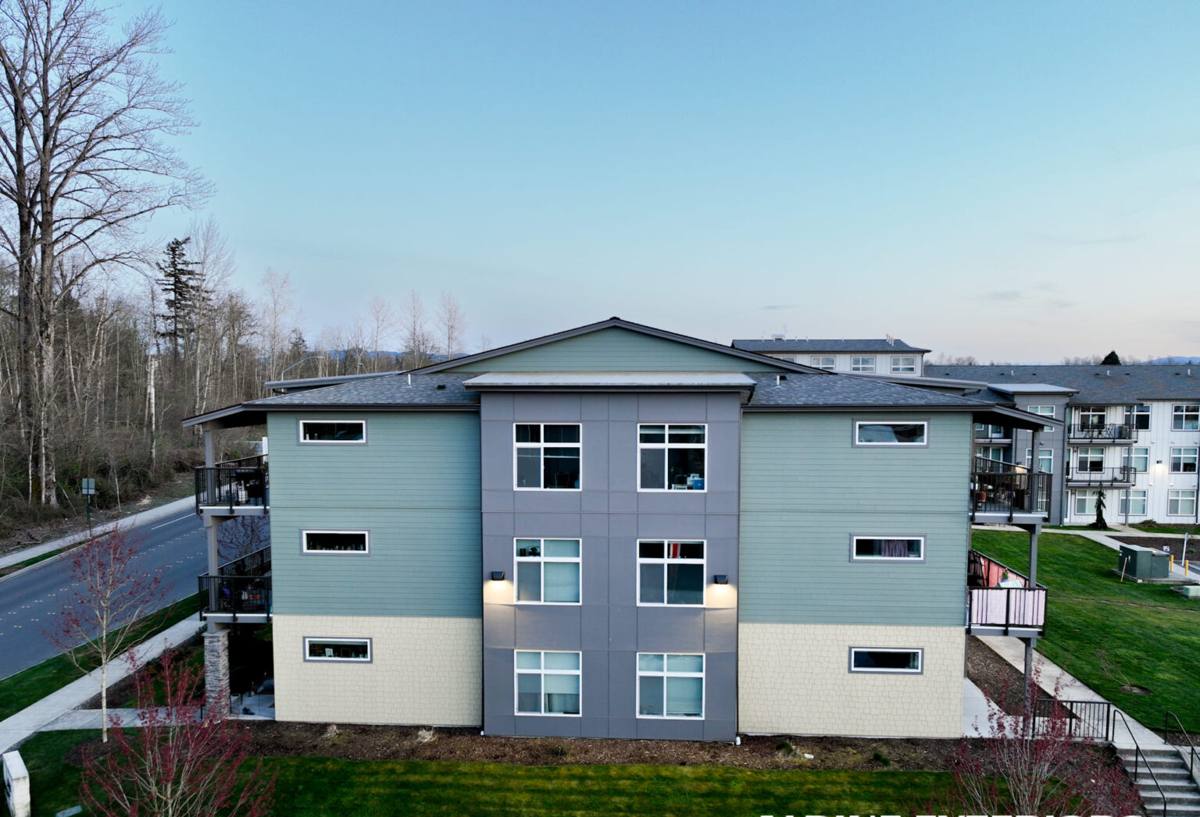
What Actually Counts as Storm Damage Here
Not every roof problem after a storm is obvious from the ground. On the island, we see a few patterns come up again and again:
- Wind-lifted or missing shingles/shakes — especially on exposed slopes facing open water, where gusts hit harder and more directly than on a sheltered inland lot.
- Torn or lifted flashing around chimneys, vents, and roof-to-wall transitions, which often looks minor but is the single most common source of an active leak after wind.
- Moss-related rot that a storm exposes — moss holds moisture against the roof surface for months at a time, and a hard storm is often what finally reveals wood underneath that's already been softening for a year or two.
- Impact damage from limbs and debris, common on wooded lots where a mature tree gives up a branch in high wind.
- Granule loss and surface wear
- on older asphalt roofs, where the storm accelerates aging that salt air and moss had already started.
The tricky part is that some of this — particularly flashing damage and moss-softened decking — doesn't show up as an obvious hole. It shows up as a stain on a ceiling three weeks later, after the next rain finds the opening.
Why Ferry Access Changes How Repair Work Gets Done
A storm-damaged roof on the mainland is usually a same-day or next-day fix once a crew is scheduled. On Lummi Island, the ferry schedule is part of the job from the start. That affects a few real things:
Emergency stabilization has to happen fast, and in one trip
If a roof is actively leaking or has an open section after a storm, the priority is getting a tarp down and the house protected before the next system moves through — not scheduling a "we'll be back next week" visit. A crew that works the island regularly plans the trip to carry everything needed for both stabilization and, where possible, the actual repair, rather than making two or three separate crossings.
Material logistics take planning
Running back to a supply yard mid-job isn't a quick errand when it means catching a ferry both ways. Getting the right shingles, flashing stock, and underlayment loaded before the crossing — matched to what's already on the roof — is part of doing the job right the first time.
Scheduling has to be realistic, not optimistic
Weather and ferry timing both factor into when a crew can be on-site and how long the work window actually is once they're there. A contractor unfamiliar with the island can underestimate this and either show up unprepared or blow past the time they told you.
What a Correct Storm Repair Actually Involves
A rushed patch job is the most common shortcut we see undone on older storm repairs, and it usually costs more to fix the second time than it would have cost to do right the first time. A correct repair means:
- Full inspection, not just the visible damage. Wind damage often extends beyond the spot that's obviously missing shingles — adjacent courses can be loosened even if they haven't blown off yet.
- Checking the decking underneath, not just the surface layer, especially anywhere moss has been established. Replacing shingles over soft or rotted decking doesn't hold.
- Flashing done properly, not just caulked. Caulk is a temporary answer at best; correct flashing work is what actually keeps water out at chimneys, valleys, and vent penetrations.
- Matching materials appropriately. On a patch repair, matching the existing shingle profile and color as closely as possible matters both for the seal and for not leaving an obvious patchwork look.
- Ventilation left intact or corrected. Storm repairs are also a chance to notice if the roof's ventilation was contributing to moss growth or moisture buildup in the first place.
Our Process for a Storm Damage Call on the Island
The sequence is straightforward, but each step is there for a reason:
- Initial call and triage — we ask what happened, what's visibly wrong, and whether there's active water intrusion, so we know if this is an emergency tarp situation or a scheduled repair.
- On-site inspection — full roof assessment, not just the damaged section, plus a look at flashing, moss buildup, and ventilation while we're up there.
- Written scope and estimate — what needs to happen, in plain language, before any work starts.
- Documentation for insurance — photos and a clear description of the damage, useful if you're filing a claim.
- Repair or replacement — done in the fewest trips possible, with materials brought over ready to install.
- Cleanup — debris, old material, and nails cleared from the property before we leave.
Repair vs. Replace: How We Help You Decide
Not every storm-damaged roof needs to be replaced, and not every roof that "just needs a patch" should be patched. The honest answer depends on age, extent of damage, and what we find under the surface.
| Factor | Leans toward repair | Leans toward replacement |
|---|---|---|
| Roof age | Under roughly two-thirds of expected lifespan | Already near or past expected lifespan |
| Extent of damage | Isolated to one slope or section | Spread across multiple slopes |
| Decking condition | Solid, dry underneath | Soft, rotted, or moss-compromised in multiple spots |
| Prior repair history | First significant issue | This is the third or fourth patch in a few years |
| Material match availability | Existing shingle/shake still available or close match exists | Discontinued product, patch would look mismatched |
We'll tell you honestly which category your roof falls into. If a repair is the right call, we won't upsell you to a full replacement — and if the decking or damage tells a different story, we'll show you what we found before recommending it.
Salt Air, Moss, and What They Mean for Materials
Because of the constant salt exposure and the length of the wet season here, we pay close attention to a few material choices on every island roof we touch:
- Fasteners and flashing metal that hold up to salt air over time, rather than corroding faster than the roofing material around them.
- Underlayment quality, since a long wet season means more total time water is sitting against the roof surface waiting for an opening.
- Moss-resistant approaches where practical, including attention to tree cover and shading that keep a roof damp longer than it should be.
None of this is exotic — it's just paying attention to the conditions instead of treating an island roof like it's the same job as one three miles inland.
A Quick Post-Storm Checklist
After a windstorm or heavy weather event, it's worth doing a quick visual check before calling anyone — this helps you describe the problem accurately and helps us prioritize if it's urgent:
- Any visible missing, cracked, or curled shingles/shakes from the ground
- Debris — branches or larger material — resting on the roof surface
- New stains, drips, or damp spots on interior ceilings, especially near chimneys or vents
- Gutters pulled loose or overflowing in a new spot
- Visible daylight through the attic if you can safely check
- Granules collecting in gutters or at downspout outlets (a sign of accelerated shingle wear)
If you see active water coming in, don't wait on the rest of the list — call so we can get a tarp on before the next system arrives.
Why It Matters That We Already Work Out Here
A lot of contractors will take an island job once and decide it's more hassle than it's worth — the ferry, the timing, the logistics. That's exactly why continuity matters: a crew that already schedules around the ferry, already stocks for island jobs, and already understands what salt air and moss do to a roof out here is going to get it right faster and with fewer surprises than a one-time visitor. We're not commuting from across the state to reach Lummi Island — we're a Ferndale crew for whom this is part of the regular map, alongside the rest of Whatcom County.
Get an Honest Look Before You Decide Anything
If a recent storm left your roof looking rough, or you're not sure whether what you're seeing is a real problem or just cosmetic, we're glad to come take a look. The estimate is free, there's no pressure to sign anything on the spot, and you'll get a straight answer about what actually needs to happen. Use the form below to get started.