 Ferndale
 Why Storm Damage Looks Different on Homes Near Lummi Nation
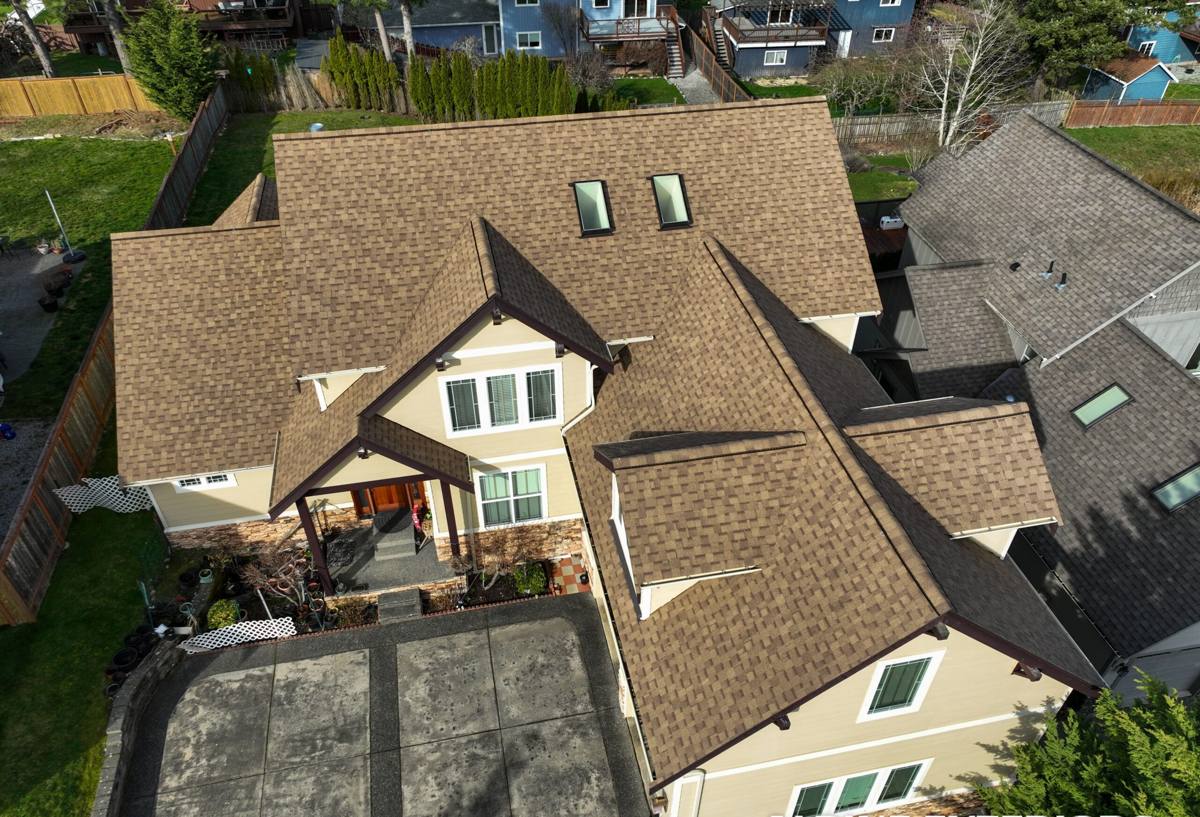
Roofs around Lummi Nation and the surrounding Ferndale area take a different kind of beating than roofs further inland. You've got wind coming straight off the water with nothing to slow it down, driving rain that gets pushed sideways into flashing and vents instead of falling straight, and salt-laden air that speeds up corrosion on fasteners, flashing, and metal roof edges. Add in a moss season that runs most of the year in this part of Whatcom County, and you end up with roofs that show damage in ways a drier, more sheltered neighborhood never would. A storm doesn't have to be dramatic to cause real damage out here — a few hours of sustained wind and rain is often enough to lift shingle edges, work water under flashing, or finish off a spot that moss had already been quietly weakening for months.
That's the piece a lot of homeowners miss: storm damage and moss damage are usually working together, not separately. The storm is often just the event that finally pushes water through a weak point that moisture and organic growth had already been creating.
What Actually Counts as Storm Damage
Not all storm damage is obvious from the ground, and not everything that looks bad is actually a structural problem. Here's how we sort it out:
Wind Damage
Lifted, creased, or missing shingles along ridges, edges, and any place the roof plane changes direction. Wind damage concentrates at edges and corners because that's where uplift pressure is strongest — it rarely spreads evenly across the whole roof.
Water Intrusion
Driving rain finds gaps that vertical rain never would. This shows up as staining on interior ceilings, damp insulation in the attic, or soft spots in decking near chimneys, skylights, and wall-to-roof transitions — anywhere two different roof planes or materials meet.
Impact Damage
Branches and debris carried by wind can crack shingles, dent metal flashing, or knock granules loose without leaving an obvious hole. Granule loss matters because it's what protects the shingle from UV and weather — once it's gone in a spot, that spot ages faster than the rest of the roof.
Moss-Compromised Areas That Fail During a Storm
Moss holds moisture against the roof surface and works under shingle tabs and around fasteners. A section that's been hosting moss for a season or two is often the first place a storm finds a way in, because the shingle underneath has already been softened.
What a Correct Repair Actually Involves
A storm damage repair that's done right isn't just replacing what's visibly torn or missing. It starts with figuring out why that section failed and whether the surrounding area is compromised too.
- Pulling back shingles around the damaged area to check decking condition, not just patching over the surface
- Inspecting and, where needed, replacing underlayment — the layer that actually keeps water out if the shingle layer is breached
- Checking flashing at every penetration and transition near the repair, since flashing failure is a leading cause of hidden leaks
- Matching shingle color and type as closely as possible so the repair doesn't stand out or age differently than the surrounding roof
- Clearing moss and debris from the surrounding area so the repair isn't immediately undermined by the same conditions that caused the original damage
Skipping any of these steps is how you end up calling a contractor back out for the same leak a year later, in a different spot a few feet away.
Our Process, Start to Finish
1. Inspection and Documentation
We assess the full roof, not just the area you noticed damage in. Storms rarely damage just one spot, and we'd rather find every problem area now than have you deal with a second leak next season. We document what we find with clear notes and photos — useful for your own records and for insurance if you're filing a claim.
2. A Written Repair Plan
You get a plain-English explanation of what's damaged, what needs to be repaired versus replaced, and why. No pressure to upsell a full roof replacement when a targeted repair will genuinely hold up.
3. The Repair Itself
We work efficiently to get the roof watertight, then complete the cosmetic and detail work — flashing, sealant, shingle matching — so the repair performs and looks right.
4. Cleanup and Walkthrough
Debris and old materials are hauled off, and we walk the repair with you before we consider the job done.
Repair Scope Comparison
| Scope of Work | When It's Needed | What's Involved |
|---|---|---|
| Spot shingle repair | Isolated wind lift or impact damage, decking still sound | Remove and replace individual shingles, reseal edges |
| Flashing repair | Leak near a chimney, vent, skylight, or wall transition | Remove surrounding shingles, replace flashing, reseal and re-shingle |
| Partial section replacement | Damage concentrated in one roof plane or a moss-compromised area | Strip section to decking, replace underlayment and shingles for that plane |
| Full storm-damage tear-off | Widespread damage across multiple planes or aging roof near end of life | Complete removal and reroofing of the affected roof |
Materials for Salt Air and a Long Moss Season
Not every roofing product handles this climate the same way, and the choice matters more here than it would somewhere drier and further from the water.
Fasteners and Flashing
We use corrosion-resistant fasteners and flashing wherever exposure to salt air is a factor. Standard galvanized hardware can start showing rust well before the roof itself is due for replacement in a coastal-influenced setting like this.
Shingle Selection
Algae-resistant shingle products are worth the modest upfront cost in this area — they're formulated to resist the moss and algae growth that's a near-constant issue given the rainfall and humidity here. We'll talk through options honestly, including the maintenance trade-offs of each, rather than pushing the priciest product on the shelf.
Sealants
Products rated for flexibility across temperature swings and prolonged wet exposure hold up better than a generic caulk-grade sealant, especially at flashing joints that see the most movement and water contact.
Documenting Storm Damage for Insurance
If you're planning to file a claim, how you document the damage matters. Here's what we recommend doing as soon as it's safe to do so:
- Photograph visible exterior damage from the ground — don't get on the roof yourself
- Note the date and general weather conditions of the storm event
- Check the attic for water staining, damp insulation, or daylight coming through decking
- Keep any interior water stains photographed before you clean or repaint over them
- Get a written inspection report from a contractor before your insurance adjuster visits, if possible
An honest inspection report that separates storm damage from pre-existing wear helps your claim move faster and helps you avoid disputes over what the storm actually caused.
Why It Matters to Hire a Crew That Already Works This Area
A roof near Lummi Nation and the rest of coastal Whatcom County isn't dealing with the same conditions as a roof twenty miles inland. A crew that works this specific stretch of the county regularly knows what wind-driven rain damage looks like here versus ordinary wear, knows which flashing details tend to fail first in salt air, and knows how aggressively moss needs to be managed to keep it from becoming a structural issue rather than a cosmetic one. We'd also note that homes on Lummi Nation land may fall under different permitting and jurisdictional requirements than the surrounding county — if that applies to your property, we'll work with you to confirm what's required before work begins, rather than assuming county rules automatically apply.
Local response time matters too. Storm damage that sits exposed for days while you wait on a contractor from further away tends to get worse — a small leak becomes soaked decking, and soaked decking becomes a repair that costs more than it needed to.
Keeping the Repair From Becoming a Repeat Job
A good repair should hold — but this climate keeps working on your roof year-round, so a little upkeep goes a long way toward making sure it does.
Moss Management
Regular moss treatment or removal, especially on north-facing and shaded roof sections, keeps moisture from building up in the same way that likely contributed to the original damage.
Gutter and Drainage Checks
Clogged gutters send water back up under the roof edge instead of away from the house — a common and preventable cause of edge rot in areas with heavy seasonal rainfall.
Periodic Inspection
An annual look at flashing, seals, and shingle condition — especially after any significant windstorm — catches small issues while they're still small.
If you've got storm damage on a home near Lummi Nation or anywhere else around Ferndale, we're happy to come take an honest look and walk you through exactly what we find. The estimate is free, there's no pressure, and you'll get a clear answer on what actually needs to happen — just fill out the form below.