 Ferndale
 Why Fairhaven Homes Need a Different Approach to Window Replacement
Fairhaven sits close enough to the water that its houses take a beating no inland neighborhood deals with in the same way. Salt-laden air off Bellingham Bay, wind-driven rain that comes in sideways during winter storms, and a moss season that can stretch from October through April all work on window components year after year. A window that would last three decades in a drier part of Whatcom County can show real wear in half that time here if it wasn't installed with this climate in mind.
That's the difference between a generic window replacement and one done specifically for Fairhaven. The window unit itself matters, but so does the flashing behind it, the sealant used around it, and the judgment calls made about drainage paths that a homeowner will never see once the trim is back on.
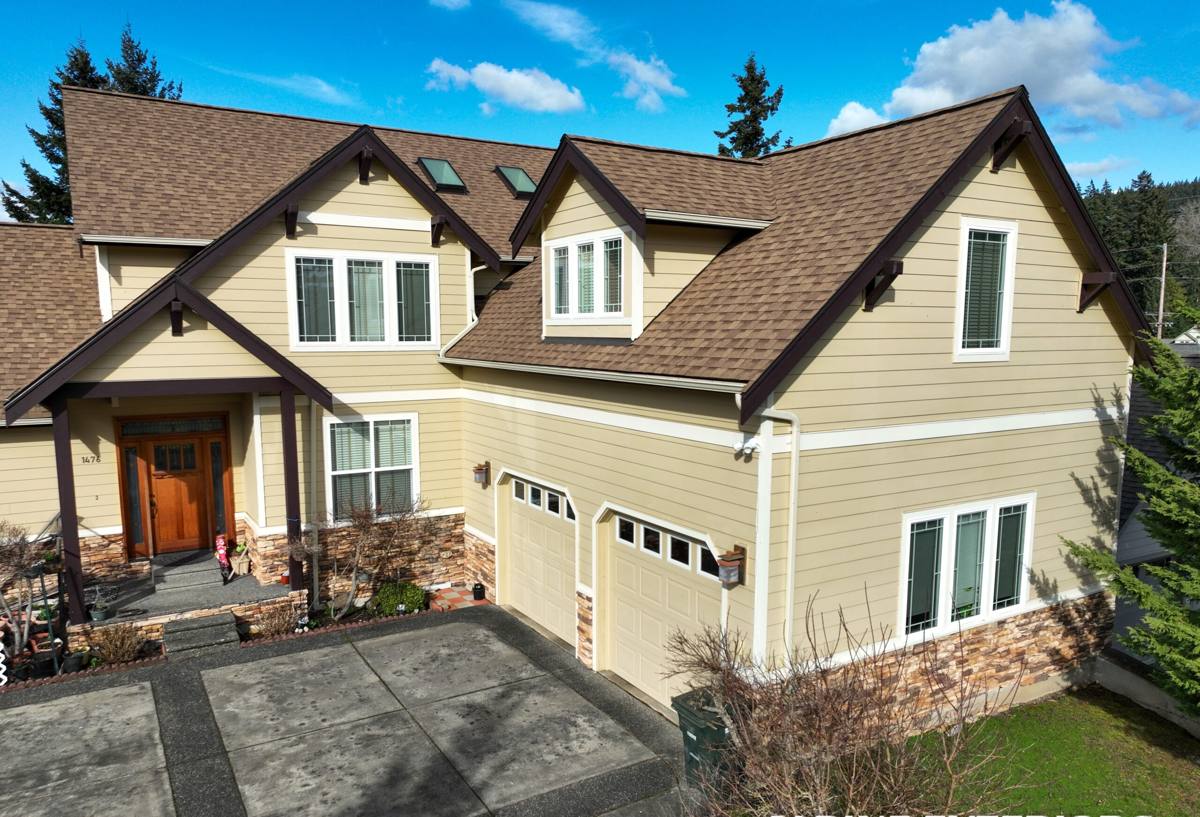
The Climate Factors That Matter Most Here
Salt air and metal corrosion
Airborne salt accelerates corrosion on anything metal — screws, hinges, balance hardware, and lesser-grade flashing. Over time this shows up as pitted hardware, stiff or failing window operation, and streaking stains below the sill. It's a slow process, which is exactly why it gets overlooked until a window won't open smoothly or a fastener starts to fail.
Driving rain and wind exposure
Storms coming off the water don't just fall straight down — they push rain sideways into wall assemblies, testing every seam around a window opening. A window can be perfectly good and still leak if the flashing detail behind it wasn't built to handle wind-driven rain rather than ordinary vertical rainfall.
A long moss season means a long moisture season
Moss doesn't just grow on roofs. Around window trim, sills, and exterior casing, the same shade, moisture, and mild temperatures that support moss growth also keep wood and lesser sealants wet longer between dry spells. Materials that would be fine in a drier climate can hold moisture long enough to start rotting or delaminating.
What a Correct Window Replacement Job Actually Involves
Homeowners often assume window replacement is mostly about the window itself — the glass, the frame, the look. In a climate like this, the installation details matter as much or more than the product:
- Removing the old unit without damaging the surrounding sheathing or framing
- Inspecting the rough opening for hidden rot or moisture damage before anything new goes in
- Installing flashing tape and pan flashing designed to shed water outward, not trap it
- Using sealants and backer rod rated for sustained moisture exposure, not just interior-grade caulk
- Setting the window level, plumb, and properly shimmed so it operates smoothly for years
- Insulating the gap around the frame correctly — not overpacked, not left hollow
- Finishing trim and exterior detailing so water sheds away from the opening
Skip any one of these steps and the window itself becomes almost irrelevant — water will find the weak point in the assembly, not the glass.
Choosing Materials That Hold Up in This Climate
There's no single "best" window material for every home, but some perform more predictably than others in salt air and sustained damp conditions. We talk homeowners through the real trade-offs rather than pushing one option.
| Frame Material | How It Handles This Climate | Maintenance Reality |
|---|---|---|
| Vinyl | Good moisture resistance, doesn't corrode; performance varies a lot by manufacturer quality | Low — occasional cleaning, no repainting |
| Fiberglass | Dimensionally stable in temperature and moisture swings; handles coastal exposure well | Low to moderate — very durable finish |
| Aluminum-clad wood | Attractive, but cladding seams and any exposed wood need careful detailing near salt air | Moderate — watch seams and touch-up areas |
| Bare wood | Classic look for older Fairhaven homes, but most exposed to rot without diligent upkeep | High — regular painting and sealing required |
We're honest with clients about this: bare wood windows can look right on an older home, but we set expectations about the maintenance commitment before installation rather than after. Our standard is to only recommend what we're confident will perform for the specific exposure of that particular house.
Glass and Performance Options Worth Knowing About
Beyond the frame, the glass package affects comfort and condensation resistance — a real issue in a marine climate where indoor-outdoor temperature swings happen often.
- Low-E coatings reduce heat loss and help limit condensation on interior glass during cold, damp mornings
- Argon or krypton gas fills improve insulation value between panes, though performance degrades if seals fail over time
- Dual vs. triple pane — triple pane adds cost and weight but can be worth it on exposed, storm-facing sides of a home
- Warm-edge spacers reduce cold spots at the glass edge, which matters for both comfort and reducing condensation lines
We size these choices to the house, not the other way around — a storm-facing wall and a sheltered interior wall don't always need identical glass packages.
Our Process, Start to Finish
- On-site assessment. We look at each window individually, not just from the curb — checking sills, trim, and signs of past moisture intrusion.
- Honest scope and estimate. We tell you which windows genuinely need replacement now versus which can wait, and why.
- Scheduling around weather. Replacement openings shouldn't sit exposed during a storm system — we plan install days with Whatcom County's weather patterns in mind.
- Careful removal and opening inspection. This is where hidden problems get caught before they're sealed behind new trim.
- Installation to a wind-driven-rain standard. Flashing, sealant, and shimming done for this specific exposure, not a generic checklist.
- Final walkthrough. We check operation, sealing, and finish work with you before calling the job done.
Common Problems We Find in Fairhaven Homes
Fairhaven has a good number of older homes with real character, and that means we regularly run into original or previously replaced windows with issues that aren't visible from inside the house:
- Rough openings with soft or rotted framing hidden behind old trim
- Flashing that was never installed, or installed in the wrong order relative to the house wrap
- Hardware seized or corroded from years of salt air exposure
- Failed seals on older dual-pane units, showing up as fog or moisture between the panes
- Caulk used as the primary water barrier instead of proper flashing — a shortcut that eventually fails
None of these are unusual for a coastal Whatcom County home of a certain age. They're just easier to fix correctly the first time than to patch repeatedly.
Cost Factors for Fairhaven Window Replacement
Every home is different, so we don't quote by phone — but these are the main factors that move the price up or down on a typical project:
| Factor | Why It Matters |
|---|---|
| Number and size of openings | More or larger windows mean more material and labor |
| Frame material chosen | Vinyl, fiberglass, and clad-wood carry different material costs |
| Condition of the rough opening | Hidden rot or damage found during removal adds repair time |
| Glass package | Low-E, gas fill, and pane count all affect unit price |
| Access and height | Second-story or hard-to-reach windows take longer to stage safely |
| Trim and finish work | Matching existing exterior detailing on older homes can add time |
Most full-house or partial-house window projects land in a broad mid-range once you factor these in — we'll give you a firm, itemized number after we've actually looked at your windows, not before.
Signs Your Fairhaven Home Needs Window Replacement Now
- Windows feel cold to the touch or draft noticeably during winter storms
- Fogging or moisture visible between panes of double-glazed windows
- Hardware that's stiff, corroded, or no longer locks properly
- Visible wood rot or soft spots on sills and exterior trim
- Moss or persistent green growth building up on window sills or casing
- Noticeable condensation or water staining on interior walls below windows
- Rising heating bills without another clear explanation
Any one of these on its own might just need repair. Several together, especially on the storm-facing side of the house, usually point to replacement being the more cost-effective long-term fix.
Why Hiring a Crew That Already Works in Fairhaven Matters
A contractor who regularly works this specific stretch of coastline already knows what to check for before pulling the first window — where salt air tends to hit hardest, how the older housing stock in this area was typically built, and which flashing details actually hold up through a full Whatcom County winter. That's not something you get from a crew that mostly works inland and treats every job the same way.
We're not asking you to take our word for it sight unseen. We'd rather walk your specific windows with you, point out what we actually see, and give you a straight answer about what needs doing now versus what can wait.
If you're weighing window replacement for a Fairhaven home, we're happy to take a look and put together a free, no-pressure estimate — just fill out the form below to get started.