 Ferndale
 Decking in the Sumas Area: A Different Set of Problems Than Most Deck Ads Admit
Most deck marketing shows sunny afternoons and never mentions what actually wears a deck out in Whatcom County. Around Sumas and the surrounding Ferndale service area, the real stressors are salt-laden air moving in off the Strait, long stretches of driving rain, and a moss season that can run from October well into spring. None of that is exotic — it's just relentless. A deck built to a generic national spec will often look fine for a year or two and then start showing problems exactly where water sits, where fasteners were left exposed, or where airflow underneath was never planned for.
A correctly built deck for this area isn't a different product — it's the same deck, built with the moisture cycle in mind from the footings up. That's the difference between a deck that needs real work at year eight and one that's still solid at year twenty-five.
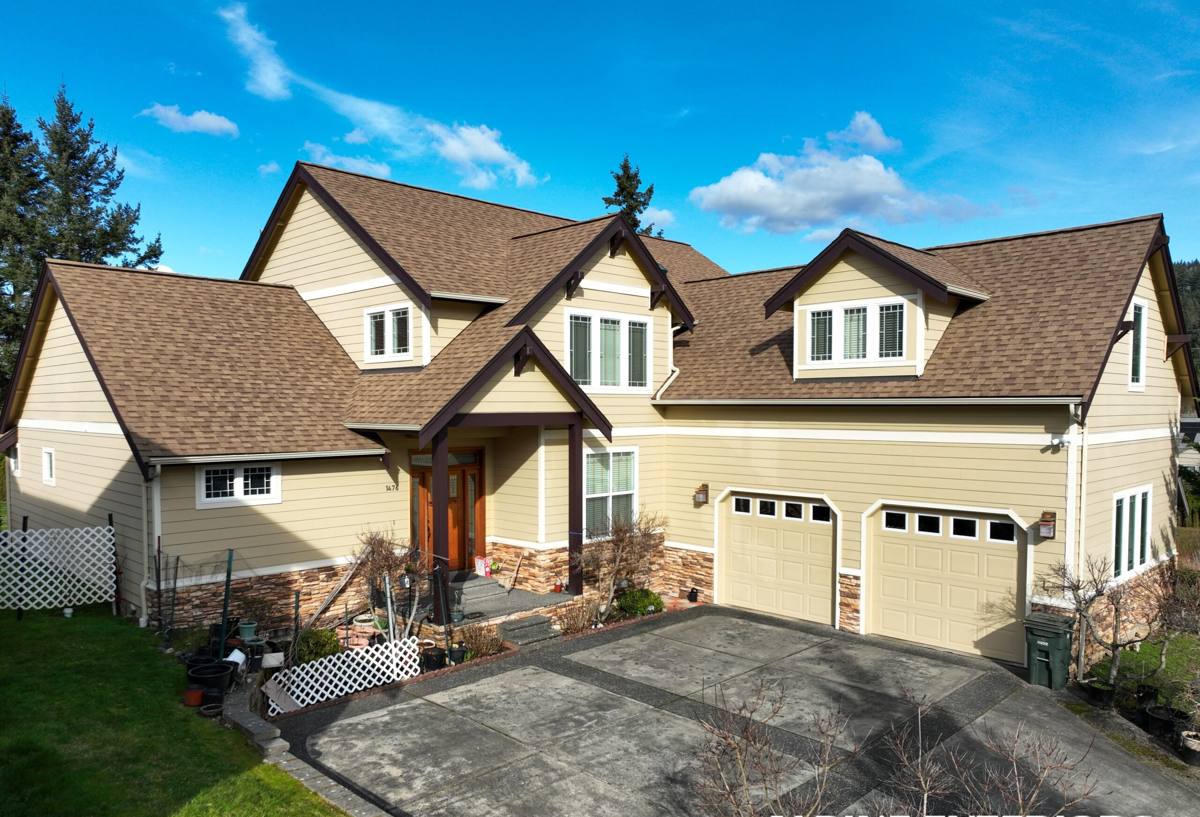
What Local Homes Actually Need From a Deck Here
Homes in and around Sumas tend to deal with a combination of factors that don't always show up on a builder's checklist unless they've worked this specific ground and climate before:
- Sustained dampness, not just rainfall totals. It's less about how hard it rains and more about how long surfaces stay wet between dry spells — that's what drives rot and moss growth.
- Salt-influenced air. Metal fasteners, hinges, and hardware corrode faster here than in drier inland climates, even at some distance from open water.
- Low winter sun angles. Shaded sides of a deck, or decks tucked under tree cover common in this part of Whatcom County, can stay damp for days after everything else has dried.
- Moss and algae buildup. Left unaddressed, this isn't just cosmetic — it holds moisture against the decking surface and turns treads slick and dangerous.
None of these are reasons to avoid building a deck. They're reasons to build one differently than you would in Arizona or even Eastern Washington.
What a Correct Deck Build Involves
Footings and Framing
Everything starts below the decking boards. Footings need to be sized and set to local frost depth and soil conditions, not guessed at. Framing lumber should be pressure-treated and rated for ground contact where it's close to grade, and every framing connection — joist hangers, ledger attachments, post bases — should use stainless or hot-dip galvanized hardware rated for coastal exposure. Standard electro-galvanized screws are a common shortcut, and they're also one of the most common reasons we get called out to look at a deck that's only a few years old and already staining or failing at the connections.
Ledger Attachment
Where a deck attaches to the house, that ledger board and its flashing are doing the most important waterproofing work on the whole structure. A ledger flashed and sealed incorrectly is one of the top causes of hidden rot damage to the house itself, not just the deck — water tracks behind the ledger, into the rim joist, and sometimes into the wall assembly before it's ever visible from outside.
Airflow Underneath
A deck built low to the ground with no thought given to underside ventilation traps moisture against the framing indefinitely. Skirting, if used, should allow for airflow rather than sealing the space completely.
Decking Surface
The board choice matters, but so does the install detail: proper gapping for drainage and seasonal movement, fastening methods that don't create standing-water pockets, and attention to how the surface sheds water toward the edges rather than pooling mid-span.
Choosing a Decking Material for This Climate
There's no universally "correct" material — there's a correct material for a given budget, maintenance appetite, and how much sun or shade the deck actually gets. Here's how the common options actually perform under the conditions Sumas and the wider Ferndale area deal with:
| Material | How It Handles Local Moisture | Maintenance | Typical Lifespan |
|---|---|---|---|
| Pressure-treated wood | Good if sealed and re-sealed on schedule; prone to moss and graying if neglected | Annual cleaning, re-sealing every 1-3 years | 15-20 years with upkeep |
| Cedar | Naturally rot-resistant but still needs sealing in this rainfall pattern | Sealing every 1-2 years, more attention on shaded sections | 15-20 years with upkeep |
| Composite decking | Excellent — doesn't absorb water or rot, though moss can still grow on the surface film in shaded spots | Periodic washing, no sealing required | 25-30+ years |
| PVC decking | Best moisture resistance of the group; fully synthetic | Occasional washing | 30+ years |
We'll walk through this trade-off honestly for your specific yard — a heavily shaded, tree-covered lot changes the math toward low-maintenance materials, while an open, sunny deck can make real wood a perfectly reasonable choice if you're willing to keep up with sealing.
Our Process, Start to Finish
- On-site visit. We look at drainage, sun/shade exposure, existing structure (if replacing a deck), and how the space will actually be used.
- Design and material selection. We talk through layout, railing style, and material options against your budget and maintenance preferences — no pressure toward the most expensive option.
- Permitting. Whatcom County and local jurisdictions typically require a permit for decks above a certain height or attached to the structure. We handle that paperwork so it's not on you to figure out.
- Site prep and footings. Layout, excavation, and footings set to code and local soil/frost conditions.
- Framing and ledger work. Built with coastal-rated hardware and proper ledger flashing before anything else goes on.
- Decking, railing, and finish work. Surface material installed with correct gapping and fastening, railings set, stairs finished.
- Final walkthrough. We go over the finished deck with you, including what maintenance schedule makes sense for the material you chose.
Permits, Setbacks, and Code — Why This Isn't Optional
Deck permitting exists for real structural reasons, not just paperwork. Guardrail height, baluster spacing, footing depth, and ledger attachment are all code items that get inspected because they're the parts most likely to cause injury or hidden damage if done wrong. Property line setbacks also matter, especially on smaller lots where a deck addition can bump up against boundary requirements. Skipping the permit process might save a little time up front, but it can turn into a real problem at resale, when an unpermitted structure has to be disclosed or brought up to code retroactively. We pull the permits and handle the inspections as part of the build — it's built into how we quote the job, not an add-on surprise.
Why a Crew That Already Works Sumas Matters
A lot of deck problems we get called to look at weren't caused by bad materials — they were caused by a builder who didn't build for this specific climate. A crew based out of Ferndale that regularly works the Sumas area already knows which fastener grade holds up here, how low the sun sits on shaded lots in winter, and how aggressive moss growth can get on a north-facing deck that never fully dries out. That's not something you can fully substitute with a generic spec sheet — it comes from having repaired decks that were built wrong the first time, and knowing exactly what to avoid.
There's also a simple practical benefit: a local crew is easier to reach for warranty work, a maintenance question two years down the line, or a quick look if something seems off after a hard winter.
Maintaining Your Deck After It's Built
Whatever material you choose, a little regular attention goes a long way in this climate. Here's a practical checklist for keeping a deck in good shape year-round:
- Sweep debris and standing leaves off the surface regularly, especially in fall when they trap moisture against the boards.
- Wash down the deck at least once or twice a year to remove moss, algae, and grime buildup before it gets established.
- Check and re-seal wood decking on the schedule appropriate to the product — don't wait until it's visibly gray and dry.
- Inspect fasteners and hardware annually for rust staining, which is often the first visible sign of corrosion starting underneath.
- Keep an eye on the ledger flashing and the area where the deck meets the house — this is the most common spot for hidden water intrusion.
- Trim back overhanging branches or vegetation that keeps sections of the deck shaded and slow to dry.
What Drives Cost on a Custom Deck
Every deck quote is different, but the main variables are consistent. Understanding them upfront helps you get an accurate estimate instead of a rough guess:
| Factor | Why It Matters |
|---|---|
| Size and shape | Multi-level decks, curves, and irregular footprints add framing complexity and labor |
| Height off grade | Taller decks need more substantial footings, stairs, and often additional permitting scrutiny |
| Material choice | Pressure-treated wood is the lowest upfront cost; PVC and premium composites cost more but reduce long-term maintenance spend |
| Railing style | Cable, glass, and custom metal railings cost more than standard wood or composite balusters |
| Site access and prep | Sloped lots, tree removal, or difficult equipment access can add to labor time |
| Existing structure removal | Tearing out and disposing of an old deck adds cost versus building on a clear site |
We give straightforward numbers based on what your specific project actually needs — not a generic per-square-foot rule that ignores the details above.
If you're thinking about a new deck or replacing one that's showing its age, we're happy to come take a look and walk you through what makes sense for your property. The estimate is free, there's no pressure, and you'll get a straight answer about what your deck actually needs — just fill out the form below to get started.