 Ferndale
 Windows Built for a Coastal Neighborhood Like Fairhaven
Fairhaven sits close enough to the water that its homes deal with a different set of problems than houses ten miles inland. Salt-laden air off Bellingham Bay, wind-driven rain that comes in sideways during winter storms, and a moss season that can stretch from October through May all put steady pressure on window frames, seals, and finishes. When we install or replace windows for homeowners in this part of Whatcom County, we're not just fitting glass into a hole — we're building an assembly that has to shed water, resist corrosion, and stay sealed through a lot of wet, salty weather every single year.
This page is specifically about custom window work for homes in and around Fairhaven. If you're comparing options, trying to understand why your current windows are failing, or just want to know what a correct installation actually looks like in this climate, this is written for you.
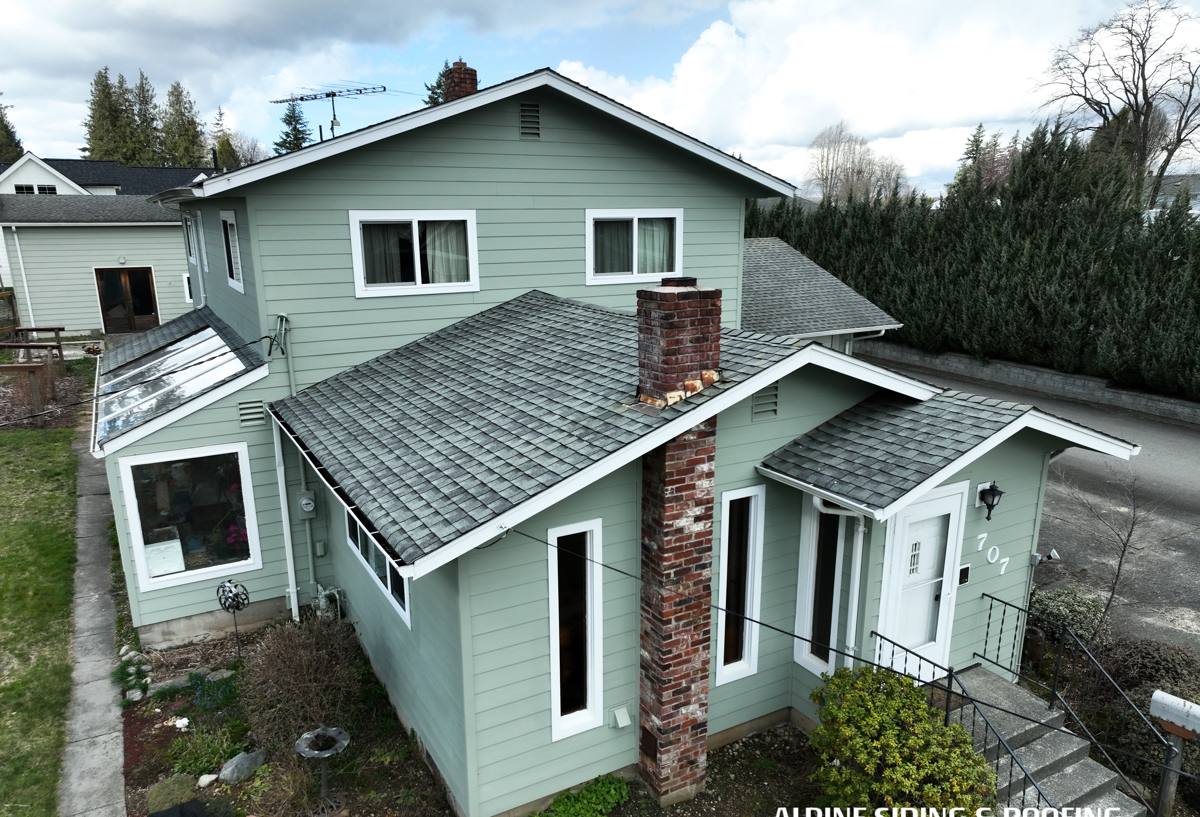
What This Climate Does to Windows Over Time
Salt Air and Metal Fatigue
Homes near Bellingham Bay get airborne salt that settles on window hardware, screens, and exposed metal components. Over years, that salt exposure accelerates corrosion on lower-quality hardware — hinges stiffen, locks stick, and aluminum components can pit or discolor faster than they would further from the water. It doesn't happen overnight, but it happens, and it's one of the main reasons we're careful about hardware specs and finish quality on any window going into a coastal-adjacent property.
Driving Rain and Wind-Driven Water
Winter storms in this part of Washington don't just drop rain straight down — wind pushes it sideways into window faces, especially on west- and southwest-facing walls that catch weather coming off the water. A window that would perform fine in a sheltered, inland location can leak here if the flashing details and sealant work weren't done to account for that lateral water pressure. This is where a lot of window failures actually originate — not bad glass, but water finding a path in around the frame.
Moss Season and Sustained Moisture
Long stretches of damp, low-light weather mean anything wood-adjacent on the exterior of a house — sills, trim, cladding around window openings — stays wet longer and dries out slower than it would in a drier climate. That sustained moisture is what feeds rot and moss growth around window perimeters, particularly on north-facing walls or areas shaded by trees. It's a slow process, but it's constant, and it's a big part of why material choice and detailing around the opening matter as much as the window unit itself.
What a Correct Custom Window Job Actually Involves
"Custom" windows means the unit is built or configured to the exact opening and design of your home rather than pulled off a shelf in a standard size. That's common for older homes, additions, or non-standard openings — all things you'll find in an established neighborhood like Fairhaven where houses weren't built to a single modern template. But custom sizing is only part of the job. The installation details matter just as much:
- Removing the old window and inspecting the framing and sill underneath for hidden rot or water damage before anything new goes in
- Correcting any rot, soft wood, or compromised sheathing found during removal — never installing new windows over a bad opening
- Installing proper flashing (sill pan, jamb, and head flashing) sequenced so water is directed out and down, never trapped behind the window
- Using a compatible, weather-rated sealant system between the window frame and the rough opening — not just caulk around the visible trim
- Setting the window level, plumb, and square, then confirming operation before final trim and finish work
- Matching interior and exterior trim details to the rest of the house, especially important on older or architecturally distinct homes
Skipping the flashing and sealant sequencing is the single most common shortcut that causes leaks two or three years down the road — long after the installer is gone. It's also the part that's invisible once the trim is back on, which is exactly why it has to be done right the first time.
Choosing Window Materials for Salt Air and Sustained Moisture
There's no single "best" window material for every home — it depends on your budget, the style of the house, and how much maintenance you're willing to keep up with. Here's how the common options hold up in this specific climate:
| Material | Performance in Salt Air / Wet Climate | Maintenance | Typical Fit |
|---|---|---|---|
| Vinyl | Good — won't corrode or rot; seams and hardware quality vary by manufacturer | Low | Budget-conscious replacements, rentals, additions |
| Fiberglass | Excellent — dimensionally stable, resists moisture and doesn't corrode | Low | Homeowners wanting durability without wood upkeep |
| Wood-clad (exterior clad, wood interior) | Good if the cladding and flashing details are correct; exposed wood needs protection | Moderate | Historic or traditional-style homes wanting a wood interior look |
| Aluminum | Fair — prone to pitting and corrosion near the water unless it's a marine-grade finish | Moderate to high | Modern designs where slim sightlines matter more than low upkeep |
| Solid wood (unclad) | Poor without diligent upkeep — this climate's moisture and moss season are hard on exposed exterior wood | High | Historic restoration where matching original material is the priority |
We're upfront with homeowners about these trade-offs. If you want a solid wood exterior for historic accuracy, that's a legitimate choice — you just need to go in knowing the maintenance commitment. If you want to set it and mostly forget it, fiberglass or a quality vinyl unit with good hardware is usually the more honest recommendation for a home this close to the bay.
Our Process for Window Projects in Fairhaven
- On-site assessment. We look at your current windows, the condition of the framing and sills, sun and wind exposure on each wall, and how water has historically behaved around your openings.
- Material and configuration recommendation. Based on that assessment and your budget, we recommend materials and configurations — not a one-size answer for every wall of the house.
- Accurate measurement and ordering. Custom units are built to your actual openings, which takes lead time — we'll give you a realistic timeline up front, not an optimistic one.
- Removal and opening inspection. Old windows come out, and we inspect what's underneath before anything new goes in. If we find rot or damage, we tell you before we cover it back up.
- Correct flashing and sealing. This is the step that determines whether your windows are still dry in five years, and we don't shortcut it.
- Trim, finish, and cleanup. Interior and exterior trim work matched to your home, hardware tested, and the site left clean.
What Affects the Cost
Every home is different, so we won't quote a number without seeing the job, but these are the factors that typically move the price:
| Factor | Why It Matters |
|---|---|
| Material choice | Fiberglass and higher-end vinyl cost more upfront than basic vinyl; wood-clad costs more still |
| Number and size of openings | More and larger windows means more material and labor |
| Condition of existing framing | Hidden rot or water damage found during removal adds repair scope |
| Custom vs. standard sizing | True custom sizing (common in older homes) costs more than stock sizes |
| Trim and finish complexity | Matching historic or detailed trim work takes more time than simple modern trim |
| Access and site conditions | Second-story or hard-to-reach windows add labor time |
Signs Your Current Windows Are Already Failing
If you're not sure whether it's time to replace or repair, walk your home's exterior and interior and look for these:
- Fogging or condensation between panes on double- or triple-glazed units — a sign the seal has failed
- Soft, spongy, or discolored wood trim or sills around the window
- Visible moss or persistent green growth on the sill or lower frame
- Drafts you can feel with a hand near the frame on a windy day
- Windows that are difficult to open, close, or lock — often a sign of frame swelling or hardware corrosion
- Peeling paint or bubbling finish concentrated around window openings rather than the wall generally
- Water staining on interior walls or ceilings below or beside a window
Any one of these on its own might not mean much. Several together, especially on the walls that face the water or catch the most wind-driven rain, usually mean it's worth having someone take a real look.
Why It Matters That We Already Work This Area
Window performance in a marine climate isn't something you get right by following a generic manufacturer install guide. It comes from having actually seen how water moves around window openings on homes in this specific stretch of Whatcom County — which walls take the worst of the weather, which older assemblies tend to hide moisture problems, and which hardware and sealant choices hold up here versus somewhere drier. A crew that already does this work near Ferndale and the surrounding coastal communities isn't guessing at those answers on your house. We've made the adjustments that this climate requires and we build them into every job as standard practice, not as an upsell.
If you're weighing whether to repair or replace, comparing materials, or just want an honest read on what's going on with your current windows, we're happy to take a look. Reach out for a free, no-pressure estimate using the form below.