 Ferndale
 Deck Repair Built for Blaine's Coastal Conditions
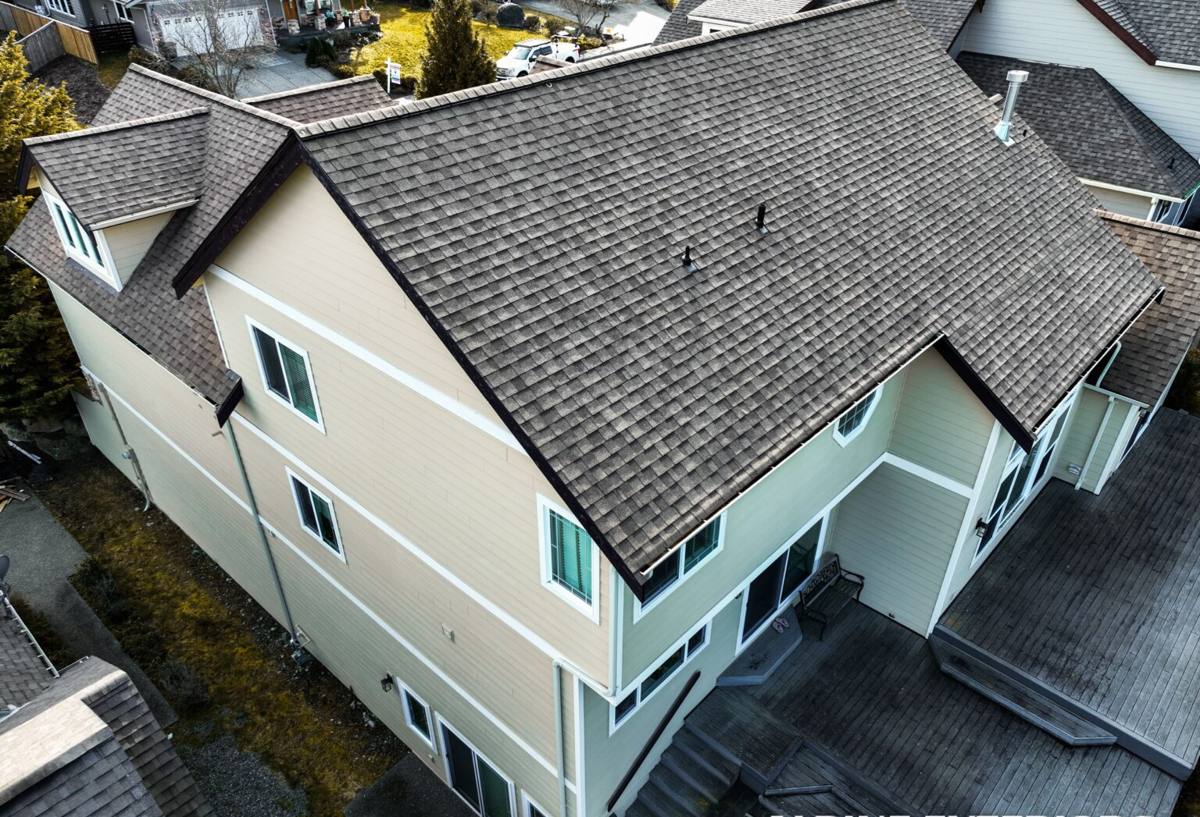
Blaine sits close enough to the water that decks here take a different kind of beating than decks twenty miles inland. Salt-laden air corrodes fasteners and hardware faster than it does in drier parts of Whatcom County. Driving rain off the Strait finds its way into every joint, seam, and screw hole that isn't properly flashed or sealed. And the long, wet moss season that settles over this part of Washington coats deck boards and stair treads with a slick green film that holds moisture against the wood for months at a time. A deck that would hold up fine in a sheltered inland yard can develop real problems here in half the time.
We work on decks throughout the Blaine area as part of our regular service territory out of Ferndale, and we see the same handful of failure patterns over and over. Understanding those patterns is the first step to fixing a deck correctly instead of just patching what's visible.
How Local Climate Shows Up in Deck Damage
Salt Air and Metal Fasteners
Nails, screws, and joist hangers that aren't rated for corrosion resistance start to rust well before the wood around them shows obvious wear. Once a fastener rusts, it loses grip, weeps rust stains into the surrounding wood, and can eventually shear or pull loose under load. On a deck near Blaine, we check fastener condition as a matter of course — it's often the real cause of a "wobbly board" complaint, not the board itself.
Driving Rain and Hidden Rot
Wind-driven rain doesn't fall straight down — it gets pushed sideways into ledger boards, under railing posts, and into any gap where flashing has failed or was never installed correctly. The damage often isn't visible from the top of the deck. It shows up as soft spots underneath, staining on the house siding above the ledger connection, or a slight give when you step near a post base.
Moss, Algae, and Trapped Moisture
Whatcom County's wet season gives moss and algae plenty of time to establish themselves on horizontal surfaces — deck boards, stair treads, and the tops of railings. Beyond being a slip hazard, moss holds water against the wood surface long after the rain has stopped, which speeds up rot in untreated or unsealed lumber and accelerates the breakdown of old sealants.
What a Correct Deck Repair Actually Involves
A repair that only replaces the boards you can see often misses the reason those boards failed in the first place. Our approach starts with figuring out why the damage happened, not just where it is.
- Full structural check of ledger board attachment, joists, beams, and post bases — not just the visible decking
- Inspection of flashing at the house connection, since this is the single most common source of hidden water intrusion
- Fastener and hardware assessment, replacing corroded or undersized connectors with appropriately rated hardware
- Identification of moisture traps — spots where water collects and doesn't drain, often near posts, stair stringers, or against the house
- Board-by-board evaluation to separate cosmetic wear from structural rot
- Railing and stair inspection, since these carry concentrated loads and are common failure points
Skipping any of these steps means the repair looks good for a season or two, then the same problem resurfaces — usually worse, because the underlying moisture path was never addressed.
Common Blaine-Area Deck Repairs
Board Replacement
Individual boards that have cupped, split, or rotted get replaced with matching material where possible. If the surrounding boards are also showing early signs of wear, we'll flag that so you can decide whether to replace a section now rather than one board at a time over several years.
Ledger and Flashing Repair
Where the deck attaches to the house is the most important connection on the entire structure, and it's the place driving rain targets hardest. Correcting flashing here — rather than just caulking over a leak — is usually the difference between a repair that lasts and one that doesn't.
Railing and Post Repair
Loose or rotted posts are a safety issue, not just an aesthetic one. We check post base connections and the wood itself, since a post can look solid from the outside while the base is compromised.
Stair Repair
Stringers and treads take direct foot traffic and direct weather exposure, making them one of the first areas to show moss buildup and one of the first to develop soft spots.
Structural Reinforcement
Where joists or beams have lost strength from long-term moisture exposure, we reinforce or sister them rather than relying on cosmetic patching over a weakened frame.
Repair vs. Replacement: How We Help You Decide
| Factor | Leans Toward Repair | Leans Toward Replacement |
|---|---|---|
| Structural frame (joists, beams, ledger) | Solid, only surface boards affected | Rot or corrosion found in multiple structural members |
| Age of deck | Under 10-15 years, built with treated lumber | Original construction is old or of unknown treatment quality |
| Extent of damage | Isolated boards or one section | Damage spread across most of the deck surface |
| Fastener condition | Hardware still sound, minor surface rust | Widespread corrosion in joist hangers and connectors |
| Moisture history | One identifiable, correctable water path | Chronic moisture exposure with no clear single cause |
Most decks we look at in the Blaine area fall somewhere between these extremes, which is exactly why an in-person inspection matters more than a phone estimate. We'll give you a straight answer on which side of that line your deck falls on.
Materials That Hold Up in This Climate
When we replace boards or hardware, we favor materials suited to salt air and prolonged moisture exposure rather than whatever is cheapest at the moment. That means stainless or coated corrosion-resistant fasteners near the coast, properly rated pressure-treated lumber or composite decking where it fits the rest of the structure, and flashing materials that won't degrade under years of driving rain. We're upfront about the trade-offs of each option — composite decking, for example, resists moss and rot better than untreated wood but costs more upfront and can't be sanded or refinished the way wood can. Our job is to lay out those trade-offs honestly so you can choose what fits your deck and your budget, not to push whatever has the highest margin.
A Simple Maintenance Checklist Between Visits
Some deck problems are easy to catch early if you know what to look for. Between professional inspections, a quick seasonal check can catch small issues before they become expensive ones.
- Look for green or black film buildup on boards and stair treads, especially in shaded or low-airflow areas
- Check for rust staining around screws and nail heads
- Press on boards near the house connection and around post bases to feel for soft spots
- Confirm water isn't pooling anywhere on the deck surface after rain
- Look underneath the deck (if accessible) for staining, sagging, or visible gaps at the ledger
- Give railings and stair posts a firm push to check for looseness
If you notice any of these, it's worth getting a professional look before the next wet season sets in — small fixes now are almost always cheaper than structural repairs later.
Our Repair Process
We start with a full walk-through inspection of the deck, top and underneath where accessible, so we can identify both visible damage and the moisture or structural issues causing it. From there, we put together a clear scope of work and an honest recommendation — repair, partial replacement, or full replacement — along with the reasoning behind it. Once you approve the scope, we handle the repair using fasteners and materials suited to the coastal conditions here, and we make sure flashing and drainage details are corrected, not just covered up. We stand behind the work we do and are happy to walk you through exactly what was found and what was fixed.
Why Local Experience Matters for This Job
A deck repair crew that mostly works drier, inland areas can miss the specific failure patterns that show up near Blaine — the corroded fasteners that look fine from a few feet away, the flashing detail that works elsewhere but not against driving coastal rain, the moss buildup that signals a drainage problem rather than just a cleaning need. Working regularly in this part of Whatcom County means we've seen how local weather actually affects deck structures over time, not just how they're built to spec on paper. That experience shapes where we look first and what we flag as a priority versus what can wait.
If your deck near Blaine or Ferndale is showing soft spots, loose railings, rust stains, or persistent moss, we're glad to take a look. Fill out the form below for a free, no-pressure estimate — we'll tell you honestly what we find and what your options are.