 Ferndale
 Windows in Cordata Take a Different Kind of Beating
Cordata sits close enough to the Salish Sea that homes here deal with a specific combination of weather stress: salt-laden air moving inland, wind-driven rain that hits windows sideways instead of straight down, and a long wet season that keeps moss and algae growing on anything that stays damp. None of that is dramatic on any single day, but it adds up year after year in ways that generic window-replacement advice doesn't really account for.
Windows fail here for a few predictable reasons: seals break down faster when they're exposed to constant condensation cycles, hardware corrodes quicker in salt-influenced air, and wood trim around window openings holds moisture longer than it does in drier parts of the state. A window replacement job in Cordata isn't just "swap old glass for new" — it has to account for how water moves around the opening once the old window is gone.
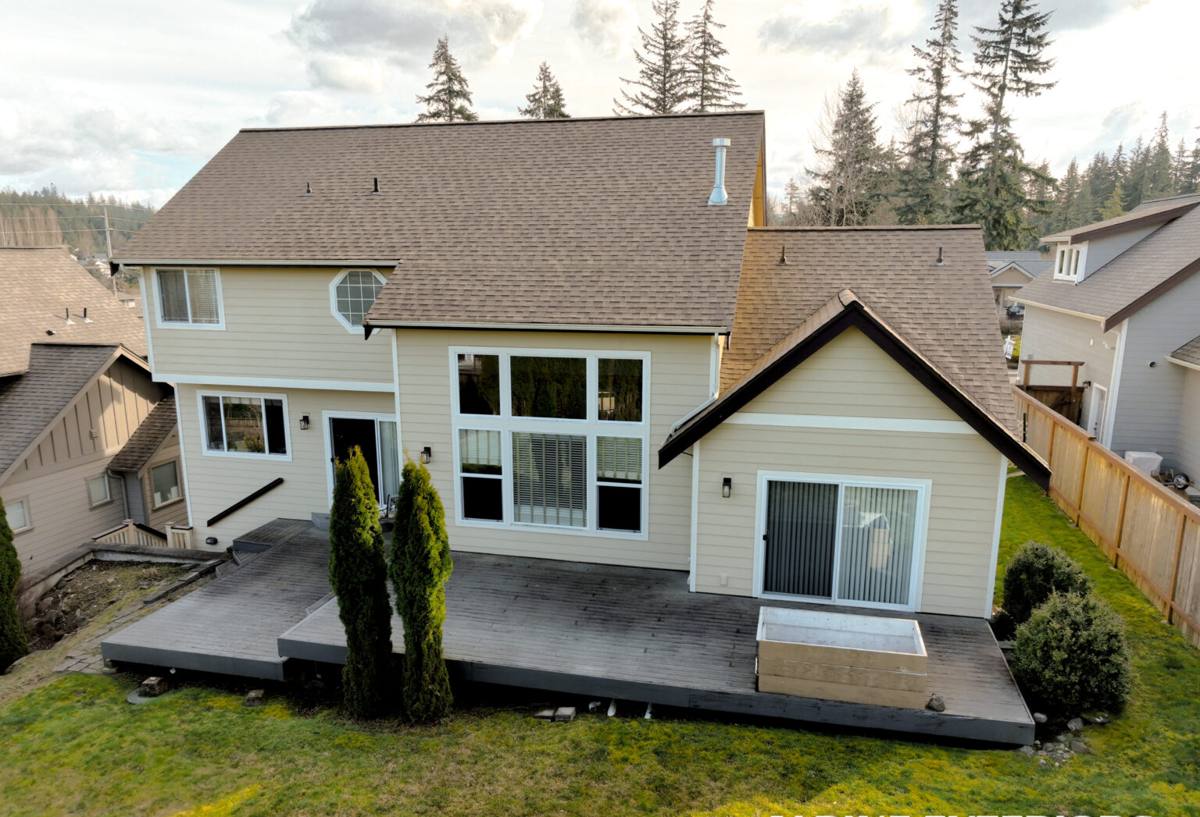
Signs Your Cordata Home's Windows Are Due
Most homeowners don't replace windows because they woke up one day and decided to. They replace them because something started bothering them enough to act. In this area, the usual triggers are:
- Fogging or a visible film between the panes — a sign the seal has failed and the insulating gas or air gap is gone
- Soft or discolored trim and sills, especially on walls that face the prevailing wind and rain
- Moss or dark green/black staining building up on frames or sills faster than you can clean it off
- Windows that feel drafty or cold to stand near, even when they're fully latched
- Difficulty opening, closing, or locking — frames that have swollen, warped, or shifted
- A noticeable rise in heating bills without any other explanation
Any one of these on its own might just need a repair. Several at once, especially on an older window, usually means the window itself is done doing its job.
What a Correct Window Replacement Job Actually Involves
Removal and Structural Check
Pulling the old window is where problems get found, not created. Rot in the framing, soft sheathing, or water staining behind the old unit needs to be dealt with before a new window goes in — otherwise you're sealing a moisture problem inside the wall instead of fixing it. A crew that rushes this step is setting the new window up to fail early, no matter how good the window itself is.
Flashing and Moisture Management
This is the part of the job that matters most in a climate like ours and gets the least attention from homeowners, because you can't see it once it's done. Proper flashing directs any water that gets past the window — and some always will, during a real windstorm — down and out and away from the wall structure, not into it. Sill pans, properly lapped house wrap, and correctly sealed integration between the window flange and the water-resistive barrier are what actually keep driving rain from becoming a rot problem three years later.
Insulation and Air Sealing
The gap between the new window frame and the rough opening needs to be insulated without being packed so tight it bows the frame. Low-expansion foam or backer rod and sealant, applied correctly, closes the air gap that causes drafts and cold spots without interfering with how the window operates.
Choosing the Right Window for Whatcom County Weather
Frame material matters more here than it does in drier climates, because it determines how the window handles years of moisture exposure and, near the water, some salt influence in the air.
| Frame Material | Moisture & Salt-Air Performance | Maintenance | Best Fit |
|---|---|---|---|
| Vinyl | Won't rot or corrode; performs consistently in wet climates | Low — occasional cleaning | Most homes prioritizing value and low upkeep |
| Fiberglass | Very stable in moisture and temperature swings; strong seal retention | Low | Homes wanting a higher-end feel and long service life |
| Aluminum-clad wood | Good exterior protection if the cladding and seams are intact | Moderate — cladding seams need periodic inspection | Homeowners who want a wood interior look |
| Bare wood | Highest maintenance burden in a wet, mossy climate | High — regular repainting/sealing required | Historic restorations where matching original material matters |
We're upfront that bare wood windows, while attractive, ask a lot of a homeowner in this climate — repainting and resealing on a schedule, checking for soft spots every year, and accepting that neglect shows up faster here than in a dry inland climate. That's not a knock on wood as a material; it's just an honest maintenance conversation we have before anyone commits to it.
On the glass side, a dual-pane, Low-E coated, argon-filled unit is the practical baseline for this area. The Low-E coating cuts heat loss and reduces the interior condensation that shows up on cold, damp mornings, and argon fill improves the insulating performance of the airspace between panes. Triple-pane is worth discussing on walls that take the brunt of the wind and rain, or for homeowners specifically trying to cut noise and drafts on an exposed side of the house.
Our Window Replacement Process
- On-site assessment — we look at each window opening, note existing damage, sun and wind exposure, and take accurate measurements.
- Product selection — we walk through frame material, glass package, and grille or color options based on your home and budget, with no pressure toward the most expensive option.
- Written scope and timeline — you get a clear breakdown of what's included: removal, disposal, flashing detail, insulation, trim, and cleanup.
- Removal and structural check — old windows come out, and we address any rot or moisture damage found before anything new goes in.
- Installation — new windows are set, shimmed level and square, flashed, insulated, and sealed per manufacturer and code requirements.
- Final walkthrough — every window gets tested for smooth operation and a proper seal before we call the job done.
What Affects Window Replacement Cost in Cordata
There's no honest flat rate for window replacement — too many variables change the number. What we can do is tell you what actually drives cost up or down.
| Factor | Why It Matters |
|---|---|
| Number and size of windows | More glass area and more openings mean more material and labor |
| Frame material | Vinyl, fiberglass, and clad-wood carry different material costs |
| Glass package | Double vs. triple pane, Low-E coatings, and argon fill each add cost but also long-term performance |
| Full-frame vs. insert replacement | Full-frame replaces the whole unit down to the framing and costs more but resolves underlying trim or flashing issues |
| Existing damage | Rotten trim or sheathing found during removal adds repair scope |
| Access and height | Second-story or hard-to-reach windows take more time and equipment |
We'll tell you plainly when a full-frame replacement is worth the extra cost versus a simpler insert — usually that comes down to whether we find moisture damage once the old window is out.
Why Hire a Crew That Already Works in Cordata
A window installed correctly in a drier, calmer climate can still fail here if the flashing and sealing weren't built for driving rain and salt-influenced air. Working regularly in this area means we already know which orientations take the worst weather, how local moss and moisture patterns tend to show up around window openings, and what kind of flashing detail actually holds up through a wet Whatcom County winter — not just what passes inspection on a dry day.
We're based out of Ferndale, so a callback isn't a scheduling headache — if something needs a second look after the job's done, we're not far away.
A Homeowner's Checklist Before You Hire
- Ask to see current license, bonding, and insurance — and confirm them, don't just take a business card's word for it
- Get the scope of work in writing, including flashing and moisture-barrier detail, not just "install windows"
- Ask how they handle rot or damage discovered once the old window is removed
- Confirm the glass package (pane count, Low-E, gas fill) matches what was quoted — not a generic substitute
- Understand the warranty: what's covered on the product versus what's covered on the installation labor
- Ask whether permits are needed for your scope of work and who's responsible for pulling them
- Get a clear cleanup and disposal plan for the old windows and job-site debris
A contractor who answers these questions clearly and in writing, without getting defensive, is usually the one worth hiring.
Ready for a Straight Answer on Your Windows?
If your Cordata home's windows are fogging, drafty, sticking, or just past their prime, we're glad to take a look and tell you honestly what we see — no pressure, no inflated urgency. Use the form below to request a free estimate, and we'll walk the property with you and talk through real options for your budget and your home.