 Ferndale
 Siding in Custer Has a Harder Job Than Most People Realize
Custer sits in the northwest corner of Whatcom County, close enough to the Strait of Georgia and Birch Bay that salt-laden air is a regular part of the weather, not an occasional event. Add in the driving rain that comes off Pacific storm systems most of the fall and winter, plus the long, damp shoulder seasons that let moss and algae take hold on anything that stays wet for more than a day or two, and you've got a climate that is genuinely tough on exterior building materials. Siding here isn't just decorative — it's the first line of defense against moisture intrusion, and the difference between a correctly installed system and a mediocre one shows up faster in Custer than it would in a drier inland town.
This page is about one thing: what it actually takes to install siding correctly on a home in Custer, and why the product and the crew behind it matter as much as each other.
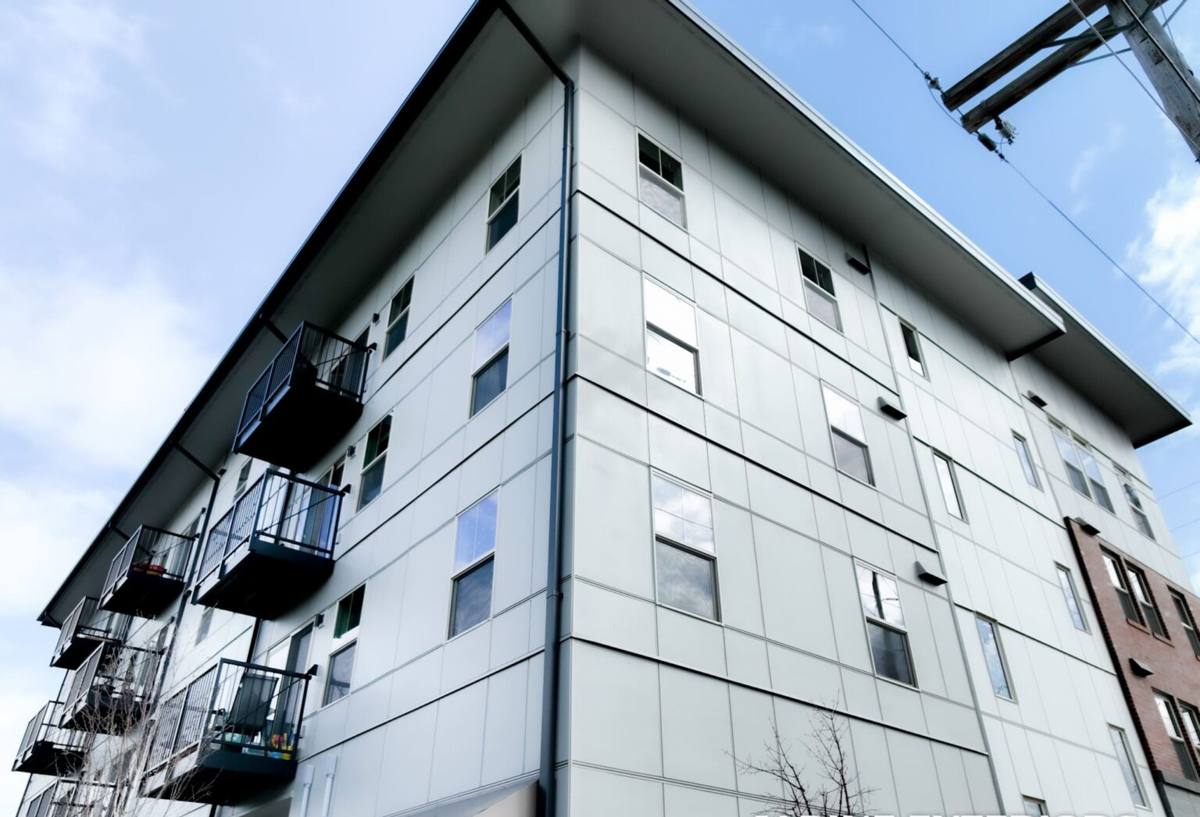
What Salt Air, Driving Rain, and Moss Actually Do to a House
Salt Air
Airborne salt is corrosive to metal fasteners, flashing, and trim, and it accelerates the breakdown of coatings that aren't engineered to handle it. Over years, salt exposure can chalk and fade paint finishes faster than inland exposure would, and it can quietly corrode the wrong type of nail or screw long before the visible siding shows any problem.
Driving Rain
Rain that comes in sideways during a windstorm doesn't just run down the face of a wall — it gets pushed up and under laps, into seams, and behind poorly sealed trim. A siding system that's only designed to shed water straight down will eventually let moisture behind the cladding, where it can sit against sheathing and framing unnoticed.
Moss and Algae
Custer's mix of moisture, shade from mature trees, and moderate temperatures is close to ideal for moss and algae growth. On siding that holds moisture at the surface — or that has a painted finish prone to chalking — you get a foothold for green and black staining that's a maintenance headache for as long as you own the house.
None of this is unique to any one street or subdivision in Custer — it's a function of being this close to the water in Whatcom County, and any home in the area should be sided with that reality in mind.
What Correct Installation Actually Involves
A siding job can look fine from the curb the day it's finished and still fail years earlier than it should, because most of what determines long-term performance is hidden behind the finished surface. Correct installation in a climate like Custer's means getting every one of these right, not just most of them:
- Weather-resistive barrier (WRB): A continuous, properly lapped water and air barrier behind the siding, installed shingle-style so water is always directed outward and down.
- Flashing at every penetration: Windows, doors, hose bibs, light fixtures, and vents all need integrated flashing that ties into the WRB — these are the most common failure points on homes we've seen re-sided.
- Rainscreen or proper drainage gap: A small air gap between the siding and the WRB lets any water that does get behind the cladding drain and dry out instead of sitting against the wall.
- Correct fastener spacing and type: Manufacturer-specified nail or screw patterns, in corrosion-resistant fasteners suited to a salt-air environment.
- Proper clearances: Siding held up off decks, patios, and grade per manufacturer minimums so it isn't sitting in standing water or constant splash-back.
- Factory-finished or correctly field-finished surfaces: Cut edges and joints sealed and touched up so no raw, unprotected material is exposed to the weather.
Skip any one of these and the siding may still look good for a while — the problems it causes tend to show up as rot, staining, or paint failure two, five, or ten years down the road, well after the crew that cut corners is gone.
Why We Only Install James Hardie Fiber Cement
We made a deliberate decision to install one siding system — James Hardie fiber cement — and not vinyl, LP SmartSide, or other fiber cement brands. That's not a marketing position, it's a standard we hold ourselves to because of what we've seen matter most in a climate like this one:
- Non-combustible material: Fiber cement doesn't burn, which matters as wildfire smoke and dry summer stretches become a more regular part of Pacific Northwest summers.
- Built for moisture cycling: Hardie's HZ5 product line is engineered specifically for the freeze-thaw and high-moisture conditions common to the Pacific Northwest, rather than a one-size-fits-all national product.
- ColorPlus factory finish: A baked-on finish applied under controlled factory conditions holds color and resists fading, chalking, and the salt-air breakdown that field-applied paint struggles with over time.
- Dimensional stability: Fiber cement doesn't expand, contract, or warp with moisture the way wood-based products can, which keeps seams and laps tight over the years instead of opening up gaps for water.
- Strong transferable warranty: A real, honored warranty structure that follows correct installation practices — which is part of why we're strict about our own installation standards.
Vinyl is inexpensive and easy to install, but it can warp in heat, become brittle in cold, and it simply doesn't have the mass or rigidity to perform like fiber cement in wind-driven rain. Wood-based products like LP SmartSide or primed spruce can look good initially, but they rely on an intact factory or field coating to keep moisture out — and in a climate that stays damp for months at a stretch, any breach in that coating is an invitation for rot. We'd rather install one product correctly, every time, than offer several options and let a homeowner unknowingly take on that risk.
Our Installation Process
1. Assessment and Measurement
We start with a walkaround of the home to check existing siding condition, sheathing, trim, and any problem areas — moss buildup, staining, or soft spots that hint at moisture already behind the wall.
2. Tear-Off and Sheathing Check
Old siding comes off and the sheathing underneath gets inspected. Any rot or damage gets addressed before anything new goes on — covering up a compromised wall with new siding just hides the problem.
3. Weather-Resistive Barrier and Flashing
A new WRB goes on, lapped correctly from the bottom up, with flashing integrated at every window, door, and penetration.
4. Rainscreen Installation
A drainage gap is installed to keep the siding off the wet wall assembly and let any incidental moisture drain and dry.
5. Hardie Installation
Panels or lap siding are installed to Hardie's specifications — correct fastener type, spacing, clearances, and joint treatment — with trim and caulking sealed against the driving rain this area sees.
6. Final Walkthrough
We walk the finished job with the homeowner, checking laps, corners, and trim details before calling it done.
Cost Factors for a Custer Siding Project
| Factor | Why It Matters Here |
|---|---|
| Home size and wall complexity | More corners, gables, and dormers mean more flashing detail and labor time |
| Existing wall condition | Rot repair from prior moisture intrusion adds cost but is essential before re-siding |
| Siding profile chosen | Lap, shingle, and panel styles vary in material and labor cost |
| Trim and accessory scope | Corner boards, window trim, and fascia work add to the overall job |
| Access and site conditions | Setbacks, landscaping, and staging area affect crew efficiency |
We give straightforward, itemized estimates rather than vague ballpark numbers, because the honest answer depends on what we find once we're looking at the actual walls.
What to Ask Any Contractor Before You Hire Them
- Do you install a rainscreen or drainage gap behind the siding, or just siding directly over the WRB?
- What fastener type and spacing do you use, and is it what the manufacturer specifies?
- Who inspects the sheathing before new siding goes on, and what happens if rot is found?
- Is your crew factory-trained or certified on the specific siding product you're installing?
- What does the warranty cover, and does improper installation void it?
- Can you walk me through how you flash windows, doors, and other penetrations?
A contractor who can answer these clearly and specifically — not with a generic "we do it right" — is one worth trusting with a job that has to perform through years of Whatcom County winters.
Why Local Experience Matters
A crew that regularly works in and around Ferndale and Custer already understands the exposure levels typical of this part of Whatcom County — how close a given property sits to salt air, how much wind-driven rain a wall assembly needs to handle, and how aggressively moss and algae take hold given the tree cover and moisture in the area. That's not something you get from a general contractor who mostly works drier, inland jobs. It shows up in the flashing details, the fastener choices, and the small judgment calls made throughout a project that don't appear on an estimate but matter enormously to how the siding performs a decade from now.
Maintenance After Installation
Correctly installed James Hardie siding is low-maintenance, not no-maintenance. A periodic rinse to keep moss and organic growth from establishing, an eye on caulking at trim joints every few years, and prompt attention to any impact damage will keep the system performing the way it's designed to for decades. Because the ColorPlus finish is factory-applied and warrantied, repainting isn't part of the routine the way it is with field-finished wood siding.
Ready to Talk About Your Siding?
If your Custer home's siding is showing its age — staining, moss, soft spots, or paint that won't hold anymore — we're happy to take a look and give you a straightforward, no-pressure estimate. Use the form below to get started.