 Ferndale
 Why Semiahmoo Roofs Take a Different Kind of Beating
Homes along Semiahmoo don't wear out the way a roof three miles inland does. Sitting near the water in Whatcom County means salt-laden air is a daily fact of life, not an occasional storm event. That air finds every exposed fastener, every cut edge of metal flashing, and every gap in a shingle's protective coating. Add in driving rain that comes in sideways off the water during winter systems, and a roof here has to shed water that isn't just falling straight down — it's being pushed under laps and around penetrations by wind.
Then there's moss. Ferndale and the surrounding Whatcom County coastline stay damp and shaded for a large part of the year, and moss doesn't need much encouragement to take hold on north-facing slopes or anywhere tree cover keeps a roof from drying out between rains. A roof built without that in mind will show algae streaking and moss growth years before it should, and moss holds moisture against the roofing material long after the rain has stopped — which is where premature granule loss and deck rot usually start.
None of this means a Semiahmoo roof needs to be exotic. It means the installation details — fastener material, flashing choices, ventilation, and how the job is sequenced — have to be right for this specific environment, not just "up to code" in a generic sense.
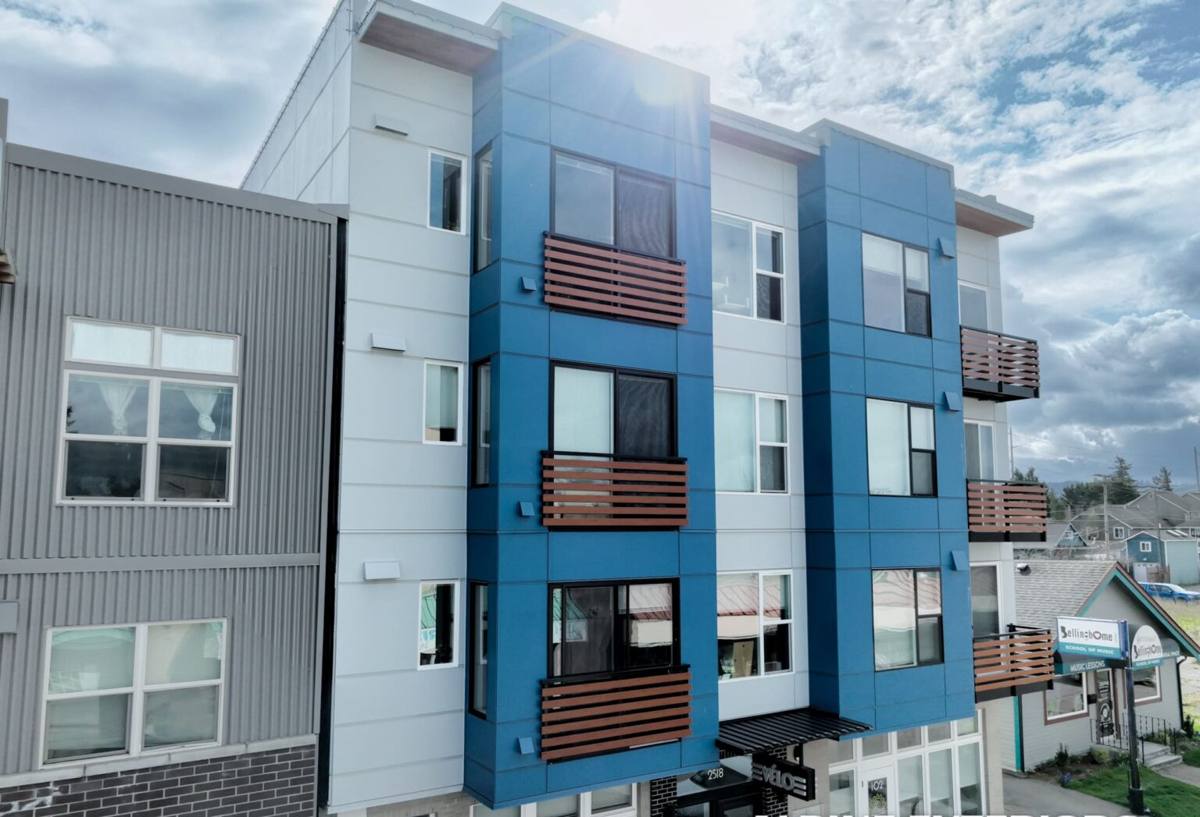
What a Correct New Roof Installation Actually Involves
A new roof is more than laying shingles over what's there. Done right, it includes:
- Full tear-off to bare decking, so we can actually see and address any rot or soft spots
- Deck repair or replacement of any damaged sheathing before new material goes down
- Ice-and-water shield at eaves, valleys, and around every penetration — the areas most likely to see wind-driven rain
- Synthetic underlayment across the field for a durable secondary moisture barrier
- Corrosion-resistant flashing and fasteners suited to a salt-air environment
- Balanced intake and exhaust ventilation, not just a ridge vent with no intake to match it
- Manufacturer-specified nailing pattern and exposure, not "close enough"
Skipping any one of these doesn't usually cause an immediate problem. It shows up two, five, or ten years later as a leak, premature shingle failure, or moss and moisture damage that could have been designed out from the start.
Material Choices for Salt Air and a Long Moss Season
Asphalt Shingles
Architectural asphalt shingles remain the most common choice for good reason — they're cost-effective, come with algae-resistant (AR) granules that use copper or zinc to slow moss and algae growth, and hold up well when installed correctly. For Semiahmoo, we specify AR-rated shingles as standard, not an upgrade, given how much shaded, damp roof surface is typical here.
Metal Roofing
Standing-seam metal handles salt air and driving rain very well when the fasteners and flashing are matched correctly — stainless steel or other corrosion-resistant hardware matters more here than almost anywhere else. Metal also sheds moss more readily than asphalt because there's less surface texture for spores to grip. It costs more upfront but asks less of you in maintenance over the years.
Why We're Selective About Certain Products
Some roofing systems that perform fine in drier inland climates are more installation-sensitive in a coastal, high-moisture setting — thin-gauge metal accessories, non-rated fasteners, or underlayments not designed for extended UV and moisture exposure before the roof is dried in. Our standard is to spec materials and hardware rated for this environment specifically, even when it costs a little more or takes a little longer to source, because the alternative is a callback in a few years.
| Material | Typical Lifespan | Salt-Air / Moss Suitability | Relative Cost |
|---|---|---|---|
| Architectural Asphalt (AR-rated) | 25–30 years | Good, with proper AR granules and ventilation | $ |
| Standard 3-Tab Asphalt | 15–20 years | Fair — more prone to early moss and algae staining | $ |
| Standing-Seam Metal | 40–60 years | Excellent, with corrosion-resistant fasteners | $$$ |
| Synthetic/Composite Shake | 30–50 years | Good, low water absorption | $$ |
Our Installation Process
1. Inspection and Estimate
We walk the roof (weather permitting) and the attic, check ventilation, look at flashing details around chimneys and skylights, and give you a written estimate that spells out material, scope, and timeline.
2. Tear-Off and Deck Inspection
Old roofing comes off down to the deck. This is the point where hidden rot, undersized ventilation, or old flashing problems get found — and it's the only honest way to know what you're actually building on.
3. Deck Repair
Any soft or damaged sheathing gets replaced before anything else goes down. This isn't an upsell we look for — it's addressed as found, with photos, and priced transparently.
4. Underlayment and Water-Shedding Details
Ice-and-water shield goes at eaves, valleys, and penetrations; synthetic underlayment covers the field. Drip edge and gutter apron are installed to actively direct water away from the fascia, not just sit near it.
5. Roofing Material Installation
Shingles, panels, or shakes go on per manufacturer specification — correct nail placement, exposure, and fastener type for a coastal environment.
6. Ventilation and Final Details
Ridge and soffit ventilation are balanced so the attic can actually dry out between wet spells, which matters as much for moss prevention on the roof surface as for moisture control inside.
7. Cleanup and Walkthrough
Site is cleared of debris and nails (magnetic sweep included), and we walk the finished roof with you before calling the job done.
Ventilation and Moisture Control Matter More Here
A roof that can't breathe traps moisture underneath it, and in a climate where the air itself carries a lot of moisture for much of the year, that's a bigger deal than it would be somewhere drier. Poor attic ventilation shows up as premature shingle aging from the underside, condensation on the decking, and conditions that help moss and algae persist on the roof surface longer after rain. We size and balance intake and exhaust ventilation as part of every new roof installation — it's not an add-on.
Timing the Job Around Whatcom County Weather
Roofing is weather-dependent work, and in this part of Washington that means planning around the wetter months rather than pretending they don't exist. We schedule tear-offs so a section of roof isn't left exposed longer than necessary, use dry-in materials that can handle a surprise shower mid-project, and are upfront if a forecast means pushing a start date rather than rushing a roof on in bad conditions. A rushed tear-off in driving rain is how decking gets wet and underlayment gets installed wrong — neither is worth saving a day.
What a New Roof Typically Costs
Pricing depends on roof size, pitch, number of layers being removed, deck condition, and material choice. Rather than quote a number that won't mean much without seeing your roof, here's what actually moves the price:
| Factor | Why It Matters |
|---|---|
| Roof size and pitch | More square footage and steeper slopes mean more material and labor time |
| Number of existing layers | Tear-off of multiple old layers adds disposal cost and labor |
| Deck condition | Rot or soft sheathing found during tear-off adds repair scope |
| Material selected | Asphalt, metal, and composite options carry very different material costs |
| Access and site conditions | Tree cover, tight lots, or difficult staging can affect labor time |
A Checklist Before You Hire Anyone for This
- Do they do a full tear-off, or offer to roof over existing layers?
- Do they inspect and price deck repair separately and transparently, or bury it?
- Do they specify AR-rated (algae-resistant) shingles or corrosion-resistant metal hardware for coastal exposure?
- Do they address attic ventilation as part of the scope, not as an afterthought?
- Is the warranty broken out clearly — manufacturer material warranty vs. the contractor's workmanship warranty?
- Are they licensed and insured in Washington, and willing to show it without being asked twice?
- Do they give you a written, itemized estimate before any work starts?
Why a Crew That Already Works Semiahmoo Matters
A roofing crew that's put on roofs in Semiahmoo and elsewhere along the Whatcom County coastline already knows which fastener grades hold up, which flashing details fail first in this air, and how much moss growth is normal versus a sign of a ventilation problem. That's the kind of judgment that only comes from having done the work here repeatedly — not from a spec sheet. Ferndale Siding crews live and work in this county, and we build every new roof installation around the conditions this specific stretch of coastline actually produces, not a generic template.
If you're planning a new roof for a Semiahmoo home, we're happy to take a look and put together a straightforward, no-pressure estimate — just fill out the form below.