 Ferndale
 Decks in Point Roberts Take a Different Kind of Beating
Point Roberts sits on a small peninsula surrounded by water on three sides, which means almost every deck out there is exposed to salt-laden air coming off Boundary Bay and the Strait of Georgia. Add Whatcom County's long, wet winters and a moss season that can stretch from fall through spring, and you've got a deck environment that's genuinely harder on lumber, fasteners, and finishes than a typical inland yard just a few miles away. A deck that would last two decades in a drier, more sheltered spot can start failing structurally in half that time here if it wasn't built or maintained with that exposure in mind.
We build and replace decks throughout the Ferndale area, and Point Roberts is one of the toughest spots we work in. This page covers what actually happens to decks out there, what a proper replacement involves, and how we approach the job differently because of where it sits.
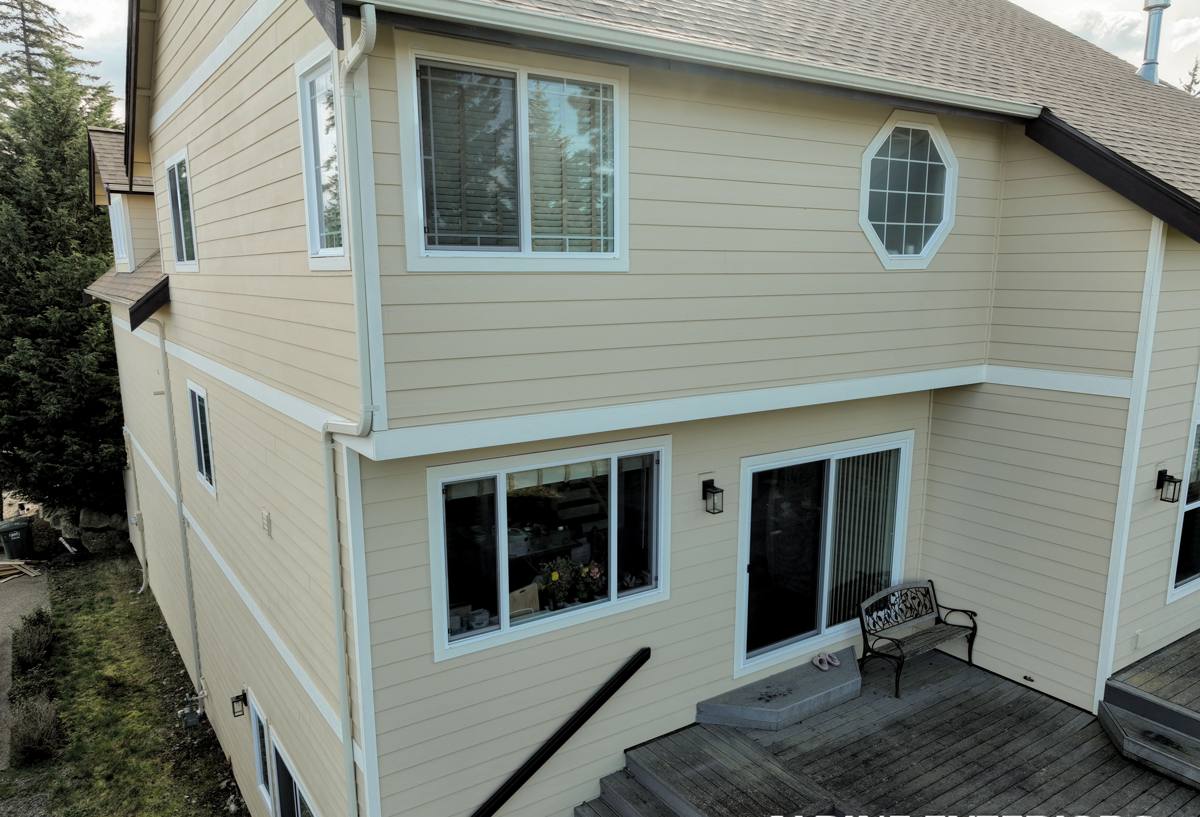
What Salt Air, Rain, and Moss Actually Do to a Deck
Framing and the Ledger Board
The ledger board — where the deck attaches to the house — is usually the first place trouble starts, and it's almost never visible until the damage is advanced. Driving rain gets pushed sideways by wind off the water and works its way behind poorly flashed ledger connections. Once moisture is trapped there, it doesn't dry out quickly in our climate, and rot sets in from the inside out. Joists and beams underneath the deck surface fare similarly if they're not properly ventilated and protected.
Decking Boards and Railings
Constant damp combined with shade from trees or the house itself is exactly what moss and algae need to take hold. Beyond looking bad, a mossy deck surface holds moisture against the wood far longer than bare boards would, and it turns the deck slick and genuinely dangerous underfoot, especially on stairs. Salt air also accelerates the breakdown of wood fibers and finishes, so paint and stain jobs fail faster and boards can gray, cup, or splinter sooner than the same product would inland.
Fasteners and Hardware
This is the part homeowners notice least and regret most. Standard or undersized screws, nails, and joist hardware corrode faster in salt air, and corroded fasteners lose holding strength long before they look obviously rusted from the top. A deck can look solid on the surface while the connections underneath are quietly weakening. This is one of the most common reasons we see decks that "seem fine" turn out to need full replacement once we get underneath them.
Signs Your Deck Needs Replacing, Not Just Repair
Not every issue means starting over — but there's a point where patching individual boards stops making sense and a full replacement is the honest, cost-effective answer. Look for:
- Soft, spongy, or springy spots anywhere on the deck surface, especially near the house
- Visible rot, dark staining, or fungal growth at the ledger board or post bases
- Rust streaks running down from fasteners or metal hardware
- Railings or stairs that flex, wobble, or feel less solid than they used to
- Persistent moss or algae that comes back within weeks of cleaning
- Gaps opening up between boards, or boards that have cupped and won't lie flat
- A deck older than 15–20 years that has never had ledger flashing or hardware upgraded
If you're seeing two or more of these, it's worth a proper inspection before deciding between repair and replacement.
Choosing the Right Decking Material for This Location
Material choice matters more here than in a typical inland yard, because whatever you install is going to spend years fighting salt air and moisture. There's no single "best" answer for every budget, but here's how the common options actually compare for a Point Roberts property:
| Material | How It Handles Salt Air & Moisture | Maintenance | Typical Lifespan |
|---|---|---|---|
| Pressure-treated wood | Resists rot reasonably well if properly sealed and re-sealed; still vulnerable at cut ends and fastener points | Annual cleaning and periodic re-staining/sealing | 15–20 years with upkeep |
| Cedar | Naturally moisture-resistant and handles our climate well, but salt exposure and moss still take a toll over time | Regular cleaning; refinishing every few years to hold color and protection | 20–25 years with care |
| Composite decking | Doesn't rot or absorb moisture like wood; some early-generation composites held moisture at the core, so we're selective about brand and construction | Periodic washing to keep moss and mildew from staining the surface | 25–30+ years |
| PVC/capped composite | Fully sealed surface handles constant damp and salt exposure very well | Lowest maintenance of the group; occasional washing | 25–30+ years |
We don't push one product line over another as a rule — we walk homeowners through the honest trade-offs (upfront cost, feel underfoot, long-term maintenance, and how the specific product handles standing moisture) and let the site conditions and budget drive the decision.
What a Correct Deck Replacement Actually Involves
A deck replacement done right in this environment isn't just swapping old boards for new ones. The parts you don't see are what determine whether it lasts:
- Ledger flashing: Properly integrated, corrosion-resistant flashing that sheds water away from the house rather than trapping it against the ledger board
- Framing and footings: Sound, code-appropriate framing with footings sized and set for our soil and frost conditions, not just reused from the old deck if they're questionable
- Fastener grade: Stainless steel or high-grade coated hardware rated for coastal/corrosive exposure, not standard interior-grade fasteners
- Ventilation and drainage: Gaps and grading that let air move underneath the deck and water drain away instead of pooling against framing
- Board spacing: Correct gapping between boards so the decking can dry between rains instead of holding water against itself
Skipping any of these to save money upfront is exactly how a "brand new" deck ends up with rot problems again in five or six years instead of twenty.
Our Process
1. On-Site Assessment
We start by actually getting under the deck and checking the framing, ledger connection, and posts — not just eyeballing the surface. This tells us whether repair is a realistic option or if replacement is the right call, and it's where we catch hidden rot or hardware corrosion.
2. Straightforward Estimate
You get a written estimate that spells out material options, what's included in the structural work, and a realistic timeline — no vague allowances or surprise change orders for basics like flashing or fasteners.
3. Tear-Out and Structural Work
We remove the old deck, inspect and repair or replace framing and ledger connections as needed, and correct any flashing or drainage issues we found during the assessment before a single new board goes down.
4. Decking, Railings, and Finish
New decking is installed with correct spacing and fastener grade for the exposure, railings are set solid, and any finishing (staining, sealing) is done before we consider the job complete.
5. Walkthrough
We walk the finished deck with you, explain what maintenance the material actually needs in this climate, and answer questions honestly — including what to watch for as the seasons change.
Cost Factors to Expect
Every deck is different, but the main variables that move the price on a Point Roberts replacement are consistent:
| Factor | Why It Matters |
|---|---|
| Deck size and shape | More square footage and complex layouts (multiple levels, angles) mean more material and labor |
| Material choice | Pressure-treated wood costs least upfront; composite and PVC cost more initially but less over time in maintenance |
| Extent of structural repair | Rotted framing, footings, or ledger issues found during tear-out add scope beyond a straight resurface |
| Railings and stairs | Style, material, and code requirements for railings and stairs affect both cost and labor time |
| Site access | Getting materials and equipment to the deck location affects labor time, particularly on tighter waterfront lots |
We give straightforward, itemized estimates so you know what you're paying for and why — broad honest ranges up front, not a number pulled out of thin air.
Why It Matters to Hire a Crew That Already Works Point Roberts
Point Roberts is geographically separated from the rest of Whatcom County — reaching it by land means crossing an international border twice, which most general contractors simply don't build into their routine service area. That has two real consequences for homeowners: fewer contractors are willing to bid the work at all, and the ones who do often haven't spent enough time on decks out there to know how differently the salt air and moss season treat lumber and hardware compared to a typical inland job in Ferndale or Bellingham.
We factor Point Roberts logistics — scheduling around border crossings for crews and material deliveries — into our planning from the start, so it doesn't turn into delays or surprises mid-project. More importantly, because we've worked decks in this exact environment before, we're not guessing at what fastener grade or flashing detail the location actually calls for. That experience is the difference between a deck that needs attention again in a handful of years and one that holds up the way it should.
Let's Take a Look at Your Deck
If your deck is showing soft spots, rust streaks, persistent moss, or is just old enough that you're wondering whether repair still makes sense, we're happy to come out, get underneath it, and give you an honest read on what it needs. Reach out below for a free, no-pressure estimate.