 Ferndale
 Building Decks for a Peninsula, Not Just a Backyard
Point Roberts sits on its own patch of ground, surrounded by water on three sides and connected to the rest of Whatcom County only by a drive through Canada. That geography isn't just a curiosity — it shapes what a deck out here has to survive. Wind off the water carries salt onto every exposed surface. Rain comes in sideways more often than it falls straight down. And the shade, humidity, and mild winters that make this part of Washington beautiful are the same conditions that let moss and algae take hold on any surface that stays damp too long.
A deck built with the same specs you'd use in a drier inland town will show its age here faster — fasteners corrode sooner, wood surfaces stay wet longer, and railings and ledger boards take a beating they wouldn't take twenty miles east. Building correctly for Point Roberts means designing around those realities from the footings up, not bolting on fixes after the fact.
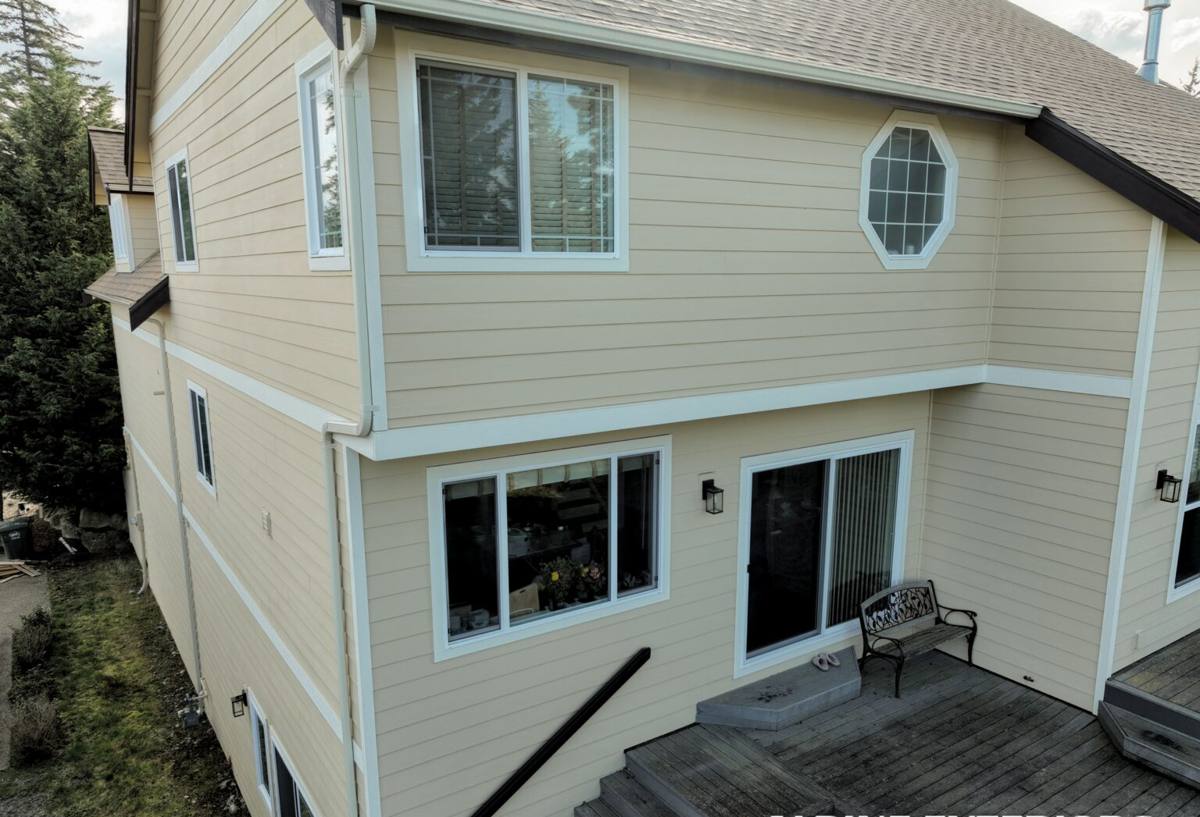
What Salt Air, Rain, and Moss Actually Do Over Time
Each of these factors works on a deck in a different way, and understanding how helps explain why certain material and hardware choices matter more here than elsewhere.
Salt Air
Airborne salt accelerates corrosion on any metal it touches — screws, joist hangers, bolts, railing brackets. Standard coated fasteners can start showing rust streaks and pitting well before their inland counterparts, and once a fastener starts to corrode, it weakens the connection it's holding, not just its own appearance.
Driving Rain
Rain that comes in at an angle finds its way into joints, seams, and end grain that vertical rain would never reach. Ledger board connections, stair stringers, and any spot where the deck meets the house siding are especially vulnerable if flashing and sealing aren't done with this in mind.
A Long Moss Season
Mild, damp winters and shaded, humid summers give moss and algae a long runway. On deck surfaces, that growth isn't just cosmetic — it holds moisture against the wood or composite surface and creates a genuinely slick, unsafe walking surface, especially on stairs.
Designing a Deck Built for This Climate
The right deck for Point Roberts starts with decisions made before any lumber is cut. A few of the details we treat as non-negotiable:
- Stainless steel or marine-grade coated fasteners and structural hardware, not standard exterior-rated hardware that's fine for drier climates but wears fast in salt air
- Ledger board flashing that fully directs water away from the house band joist, since a poorly flashed ledger is the single most common source of hidden rot on any deck
- Joist tape or a comparable protective barrier on the tops of framing lumber, so fasteners aren't sitting in a spot where water pools
- Footings set to the proper frost depth and sized for the soil conditions on your lot, not just a standard spec applied everywhere
- Board spacing and airflow underneath the deck that lets surfaces dry out between rain events instead of staying damp
- A decking surface chosen with moss and algae growth in mind, not just looks
None of these are exotic upgrades — they're the difference between a deck that needs real attention again in a few years and one that holds up through a normal Pacific Northwest maintenance cycle.
Choosing a Decking Material for This Environment
There's no single "right" decking material for every homeowner — budget, maintenance tolerance, and appearance preferences all factor in. But in a salt-air, high-moisture environment, some trade-offs matter more than they would elsewhere.
| Material | Moisture Behavior | Maintenance | Typical Lifespan Here |
|---|---|---|---|
| Pressure-treated wood | Absorbs and releases moisture; prone to checking and warping if not sealed regularly | Annual cleaning and re-sealing recommended | Shorter without consistent upkeep |
| Cedar | Naturally rot-resistant but still needs sealing against driving rain and salt exposure | Periodic cleaning, oiling, or staining | Moderate with regular care |
| Composite decking | Doesn't absorb water or rot; some boards can trap surface moisture if not designed for drainage | Occasional washing to prevent algae film; no sealing or staining | Long, with the least ongoing maintenance |
We'll walk through the honest trade-offs of each with you — including upfront cost differences, appearance, and how much upkeep you're realistically willing to keep up with — rather than pushing one product because it's easier for us to install.
Structural Details That Matter Most in This Climate
The parts of a deck that fail first are almost never the visible decking boards — they're the connections and framing underneath. A few areas we pay particular attention to on every Point Roberts project:
Ledger Attachment and Flashing
This is where the deck physically ties into your home, and it's the number one point of entry for hidden water damage. Proper flashing, correctly lapped with your home's existing weather barrier, is what keeps that connection dry for the long run.
Guardrails and Stair Framing
Railings and stair connections take direct wind and rain exposure and also carry real structural load. We build these to current code requirements for height, baluster spacing, and load capacity — not just to what looks right.
Under-Deck Drainage
On taller decks, or where the space underneath is used as covered storage or a patio, a drainage system that channels water off the top surface and away from the structure keeps that under-deck space usable and dry instead of turning it into a perpetually damp, moss-prone area.
Permits, Code, and the Realities of Building on Point Roberts
Deck construction here falls under Whatcom County permitting and building code, and a permitted deck protects you — it means the footings, framing, and railings have been checked against a standard, which matters both for safety and if you ever sell the home. We handle the permit process as part of the job rather than leaving it for you to sort out.
There's also a logistical reality specific to Point Roberts that doesn't apply to most job sites: it's only reachable by land through a Canadian border crossing, or by boat or air. That affects how a contracting crew has to plan — scheduling border crossing times, coordinating material deliveries, and making sure the right supplies are on site before work starts rather than mid-project. A crew that's worked here before has already solved these logistics; one that hasn't is learning on your project's timeline.
How We Approach a Deck Project Here
Our process is straightforward, and it's built around the specific conditions on your lot:
- On-site assessment — we look at sun and wind exposure, drainage on your lot, proximity to the water, and the condition of anything existing we'd be replacing or building off of
- Design and material discussion — we talk through decking and framing options honestly, including maintenance expectations, so you're choosing based on real trade-offs
- Permitting — we handle the Whatcom County permit process so the project is built to code from the start
- Construction — footings, framing, flashing, decking, and railings, built with the fastener and material choices this climate calls for
- Final walkthrough — we go over the finished deck with you, including basic care guidance specific to the materials used
Keeping Your New Deck Looking and Performing Its Best
A well-built deck in this climate still benefits from a bit of homeowner upkeep. A simple seasonal routine goes a long way:
- Sweep debris and standing organic matter off the deck surface regularly, especially in shaded corners where moss takes hold first
- Rinse salt residue and grime off the surface periodically, particularly after windy weather off the water
- Check that gaps between boards stay clear so water can drain through rather than pool
- Inspect railings, stair connections, and fasteners once a year for any early signs of loosening or corrosion
- Re-seal or re-stain wood decking on the schedule appropriate to that product — don't wait until it's visibly weathered
- Keep gutters and downspouts near the deck clear so runoff isn't draining directly onto or under it
Why Local Experience on This Project Matters
A deck built for Point Roberts isn't just a smaller version of a deck built anywhere else in Whatcom County — it's a structure designed around salt exposure, driving rain, and a moss season that runs longer than it does further inland. Hiring a crew that already understands those conditions, and that has already worked out the logistics of building on this stretch of coastline, means fewer surprises and a deck that's specified correctly the first time.
If you're planning a new deck or replacing one that's showing its age, we're glad to come take a look and give you a straightforward, no-pressure estimate — just fill out the form below.