 Ferndale
 Marietta's Climate and What It Does to Windows
Marietta sits close to Bellingham Bay, which means homes here take on a version of Whatcom County weather that's a notch harsher than a few miles inland. Salt-laden air off the water accelerates corrosion on hardware, screens, and unprotected metal components. Driving rain, pushed sideways by wind off the bay, tests every seam and flashing detail in a way that a calm rainfall never will. And the long, wet moss season that runs from fall through spring keeps sills, tracks, and trim damp for months at a stretch, which is exactly the environment mildew and wood rot need to get started.
None of that is a reason to panic about your windows. It's a reason to be particular about how they're installed. A window that's a good product but poorly flashed will fail here faster than it would in a drier part of the state. A correctly installed window, even a modest one, will hold up for decades. The installation matters as much as the window itself — sometimes more.
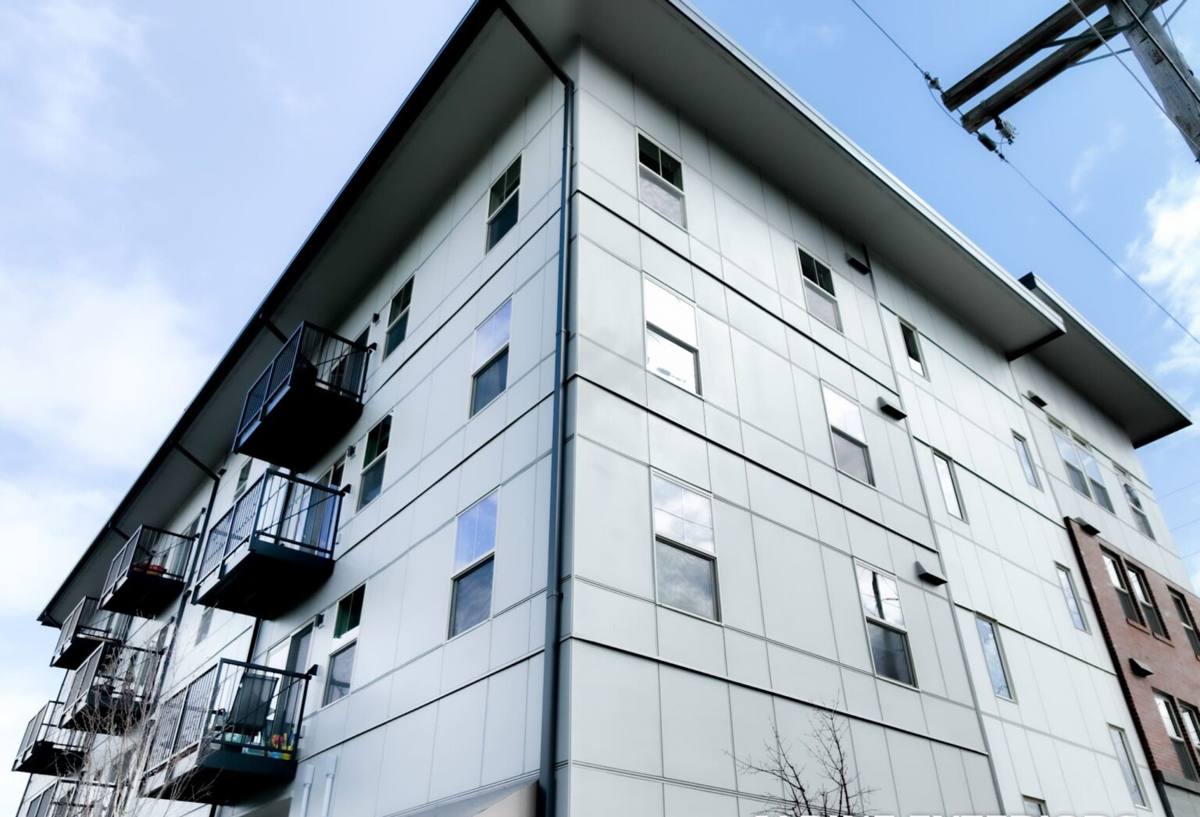
Signs It's Time for New Windows
Most Marietta homeowners don't wake up one day and decide they need new windows. It's usually a slow accumulation of small annoyances that eventually adds up to a real problem. Here's what we typically hear about before a homeowner calls us:
- Fogging or a permanent haze between the panes — the seal has failed and the gas fill is gone
- Windows that are hard to open, close, or lock, especially after damp weather
- Visible gaps, soft or discolored wood at the sill or corners
- A cold draft near the window even when it's fully closed
- Condensation forming on the inside of the glass regularly
- Paint or finish peeling on the interior trim near the window, which often points to moisture getting in from outside
- Noticeably higher heating bills without any other explanation
- Visible moss or dark staining building up on the exterior sill or below the window
Any one of these on its own isn't necessarily urgent. Several together, or any sign of soft wood, usually means water has already found a way in and it's worth having someone look before it turns into a bigger repair.
What a Correct Window Installation Actually Involves
Window installation looks simple from the outside — pull the old one out, put the new one in — but the steps that actually determine whether a window lasts happen where you can't see them once the trim goes back on.
Removing the Old Window Without Damage
The first job is getting the existing window out without tearing up the rough opening, the siding, or the house wrap around it. Rushing this step is how hidden rot gets missed. We take the time to inspect the framing and sheathing once the old window is out, because this is often the only chance to catch a slow leak before it's covered back up for another twenty years.
Flashing and Water Management
This is the part that matters most for a home exposed to driving rain off the bay. Every opening needs a sill pan to catch any water that gets past the window itself, and flashing tape integrated correctly with the house wrap in the right shingled order — bottom, sides, then top — so water is always directed outward and down, never trapped behind the siding. A window can be expensive and well-built and still leak within a year or two if this sequence is done out of order or skipped in a hurry. It's the single biggest difference between an installation that lasts and one that doesn't.
Air Sealing and Insulation
The gap between the window frame and the rough opening needs to be filled with the right material — typically a low-expansion foam or backer rod and sealant, not packed rigid with standard spray foam that can bow the frame and cause the window to bind. Done correctly, this step also cuts down on drafts and helps the window perform closer to its rated efficiency.
Choosing Window Frame Materials for a Coastal Whatcom County Home
There's no single "best" window material — the right choice depends on your budget, your home's style, and how much upkeep you want to take on. Here's how the common options compare for a home dealing with salt air and constant moisture exposure:
| Frame Material | How It Handles Salt Air & Moisture | Maintenance | General Cost Position |
|---|---|---|---|
| Vinyl | Won't corrode or rot; performs well near the coast | Low — occasional cleaning | Most affordable |
| Fiberglass | Very stable, resists warping and doesn't rust | Low | Mid to upper range |
| Wood-clad | Exterior cladding protects the wood, but any breach in the seal exposes wood to rot | Higher — finish and seals need periodic attention | Higher |
| Aluminum | Prone to corrosion in salt air unless heavily treated; conducts cold | Moderate to high | Varies |
Given what Marietta's air does to untreated metal over time, we steer most homeowners here toward vinyl or fiberglass unless there's a strong design reason to go another way. If you love the look of wood-clad windows, that's a legitimate choice too — just know that maintaining the exterior seal and finish is part of the deal in a marine climate, and skipping that upkeep is where wood-clad windows tend to run into trouble.
Glass Package Matters Too
Beyond the frame, the glass package affects comfort and condensation control. A double-pane unit with a Low-E coating and argon fill is standard for this climate and handles our damp, mild winters well. Homes with more direct exposure to wind and driving rain sometimes benefit from a heavier-duty glazing option — we'll talk through what makes sense for your specific exposure rather than upselling a package you don't need.
Our Window Installation Process
- On-site assessment — we look at your existing windows, note any signs of rot or water intrusion, and take accurate measurements
- Product selection — we go over frame material, glass package, and style options based on your home and budget, with no pressure toward the most expensive option
- Written estimate — a clear scope and price before any work starts
- Removal and inspection — old windows come out carefully, and we check the framing underneath
- Flashing and installation — sill pans, properly sequenced flashing, and correct fastening per the window manufacturer's specs
- Air sealing and insulation — gaps filled correctly, not overpacked
- Interior and exterior trim — finished to match your home
- Final walkthrough — every window opened, closed, and locked in front of you before we consider the job done
Why Hire a Crew That Already Works in Marietta
Anyone can install a window on a dry, calm day. The real test is how that window performs during a January storm coming off the bay. A crew that regularly works this stretch of Whatcom County has already seen what happens when flashing details get shortcut near the water — because we've been called out to fix that exact problem in homes not far from here. That experience shapes how carefully we treat the flashing and sealing steps, even when it means the job takes a little longer than a rougher install would.
Local also means practical things: we know the building codes and permit expectations for the area, we're not driving in from out of county, and if a warranty issue ever comes up, we're not hard to reach.
Living With New Windows in a Marine Climate
New windows aren't entirely maintenance-free, especially here. A little seasonal attention keeps them performing the way they should:
Rinse salt residue off exterior frames and glass a few times a year, particularly after storms. Keep weep holes at the base of the frame clear so any water that does get in can drain back out. Clear moss and organic debris off sills and nearby trim before it holds moisture against the frame. Check caulking around the exterior trim annually and touch it up if it's cracked or pulling away — this is cheap insurance against the exact kind of water intrusion that causes real damage later.
None of this is heavy work, but skipping it in a climate like ours is how a good installation slowly turns into a problem over several years instead of staying trouble-free for decades.
Get a Free, No-Pressure Estimate
If your windows in Marietta are fogging, sticking, drafty, or just showing their age, we're happy to come take a look and give you an honest read on what's going on — no pressure, no sales script. Use the form below to request a free estimate and we'll get back to you to schedule a time that works.