 Ferndale
 Marietta's Siding Problem Isn't Like Other Neighborhoods'
Marietta sits low and close to the water on the edge of Ferndale, and that location changes how siding ages here compared to homes further inland in Whatcom County. Salt-laden air off Bellingham Bay works into seams, fastener heads, and cut edges year-round. Driving rain off the water pushes moisture sideways into laps and corners that would stay dry on a more sheltered lot. And because the neighborhood holds shade and humidity longer through fall and winter, moss and algae get a longer runway than they do in drier, more exposed parts of the county.
None of that means every repair call in Marietta is an emergency. It means the diagnosis has to account for what's actually attacking the siding, not just what's visible on the surface. A crack that would be cosmetic in a dry inland yard can be a moisture entry point here. We've built our repair process around that difference, and it's the main reason a crew that already works this specific stretch of Ferndale catches things a general handyman or a contractor unfamiliar with the area might miss.
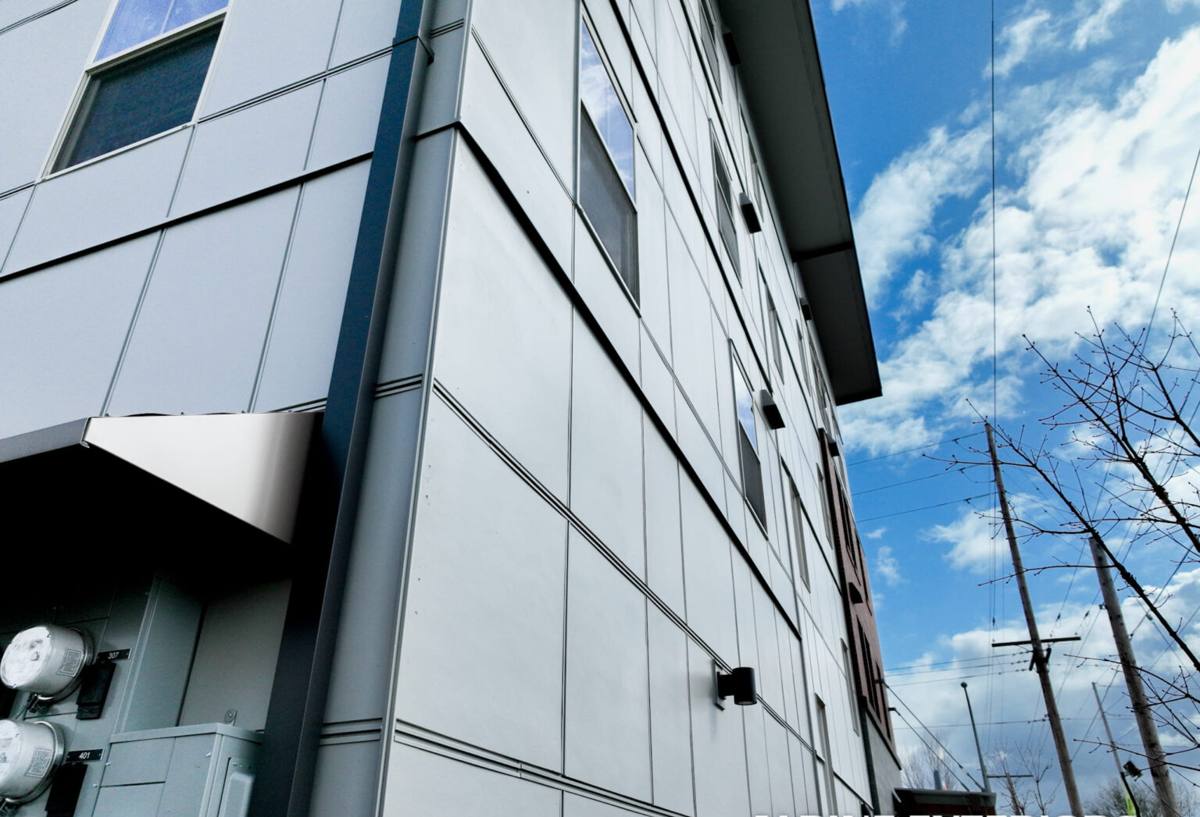
Signs Your Marietta Home Needs Siding Repair
Most siding failures give warning signs long before they become structural problems. In a salt-air, high-moisture environment like Marietta, those signs tend to show up faster and in specific spots: low courses near grade, north- and west-facing walls, and anywhere two roof planes or an addition create a water-catching corner.
- Soft or spongy spots when you press on the siding, especially near the bottom rows
- Visible cracking, splitting, or buckling along panel edges or seams
- Paint that's bubbling, peeling, or chalking unevenly rather than fading uniformly
- Persistent moss or dark algae streaking that comes back within weeks of cleaning
- Gaps opening up at trim, corner boards, or window and door casings
- Nail heads popping through the surface or rust bleeding from fasteners
- Musty smell or visible staining on interior walls that back onto exterior siding
- Warping or waviness you can see by sighting down a wall in low-angle light
Any one of these on its own might just need a targeted patch. Several of them clustered together — especially soft spots plus interior staining — usually mean moisture has been getting behind the siding for a while, and the repair scope needs to include what's underneath, not just what's on top.
Why Salt Air Speeds Up the Timeline
Salt is hygroscopic — it pulls moisture out of the air and holds it against whatever surface it's sitting on. On siding, that means fastener corrosion starts earlier, caulk and sealant joints break down faster, and any exposed cut edge or nail hole becomes a weak point sooner than it would forty or fifty miles inland. It's not that Marietta homes are built worse; it's that the same materials are working against a tougher environment.
What an Actual Repair Involves — Not Just a Patch
A siding repair that holds up in this climate has to do more than cover the visible damage. Skipping steps is the single biggest reason repairs fail again within a year or two, especially in a wet, salt-exposed area.
- Remove the damaged section cleanly — cutting back to sound material on all sides, not just trimming the obviously rotten or cracked part.
- Inspect what's behind it — checking house wrap or building paper, sheathing, and framing for moisture damage before anything new goes back on.
- Address the water source, not just the symptom — flashing, kickout diverters, caulking, or grading issues that let water in have to be fixed or the same spot fails again.
- Replace with matched or compatible material — new siding that's cut, primed, and fastened to the same standard as a full installation, not a quick cosmetic cover.
- Re-seal and finish correctly — proper caulk joints, paint or factory finish matching, and fastener placement that won't invite the same corrosion problem back.
Step two is the one that gets skipped most often by contractors trying to move fast. A patch that looks fine from the curb but goes over damaged sheathing or a compromised weather barrier is a repair that's going to fail again — usually within a season or two in a climate this wet.
Repair or Replace? How We Make That Call
Not every damaged section needs a full re-side, and we don't push replacement when a proper repair will hold. But there's a point where patching stops making financial sense. Here's how we walk through it with homeowners.
| Factor | Leans toward repair | Leans toward replacement |
|---|---|---|
| Extent of damage | Isolated to one or two wall sections | Spread across multiple elevations |
| Underlying material | Sheathing and wrap are still sound | Rot has reached framing or sheathing |
| Siding age | Under 15-20 years, still structurally sound | Original material is at or past its service life |
| Product involved | Fiber cement or well-maintained wood | Failing vinyl, LP SmartSide, or unpainted composite |
| Recurrence | First time this spot has needed attention | Same area has already been patched once or twice |
| Color match | Close match achievable with available product | Discontinued color or badly faded existing siding |
That "recurrence" row matters more in Marietta than in a lot of neighborhoods. If a wall section has already been patched once and it's failing again within a few years, that's usually a sign the underlying moisture problem was never solved — and a third patch in the same spot is money that would be better spent doing it right once.
Why the Material We Repair With Matters
We install and repair with James Hardie fiber cement exclusively — we don't install vinyl, LP SmartSide, Cemplank, Allura, or unfinished cedar or spruce siding, and that standard applies to repair work too. It's worth explaining why that matters specifically for a coastal, wet climate like Marietta's.
Vinyl siding can crack in cold snaps and warp or bow when it takes direct afternoon sun on darker colors, and salt-air exposure accelerates the brittleness that leads to cracking at fastener points. LP SmartSide and similar engineered wood products perform well when the factory finish and caulking are maintained on schedule, but any cut edge or fastener penetration that isn't sealed promptly becomes a moisture entry point in a wood-based product — and driving rain off the water doesn't give those edges much of a break. Cedar and unprimed spruce need active, ongoing maintenance to resist rot in a climate this wet, which is a real cost most homeowners underestimate when they choose it.
Fiber cement doesn't rot, doesn't support the kind of moisture wicking that ruins wood-based edges, and doesn't become brittle in cold, salt-exposed air. When we patch into existing Hardie siding, we're matching a material that was engineered for exactly this kind of climate in the first place — including HZ5 product lines built for high-moisture, freeze-and-thaw regions like the Pacific Northwest coast. If your home currently has one of the other products and the damage is extensive enough to justify replacement rather than a patch, we'll walk you through why we'd recommend moving to Hardie rather than replacing like-for-like — but a straightforward repair to keep your current siding functional is a legitimate option too, and we won't oversell you into a full re-side you don't need.
Our Repair Process for Marietta Homes
Because we already work this area regularly, our repair calls here tend to move faster and more accurately than a first-time visit from an out-of-area contractor.
- Walk-through and assessment — we look at the full exterior, not just the spot you called about, since salt-air and moisture damage often shows up in more than one place at once.
- Moisture check — where damage looks more than surface-deep, we check what's happening behind the siding before quoting a fix.
- Written estimate — a clear scope and price, including whether we're recommending a repair, a partial re-side of the affected wall, or a full replacement, and why.
- Scheduled repair — most single-wall or isolated repairs are completed in a day; larger scopes are scheduled around weather windows since this climate doesn't give a lot of dry stretches.
- Cleanup and final check — site cleared, repaired area sealed and finished to match, and a final look to confirm the water source that caused the original damage has actually been addressed.
Weather Timing in a Wet Climate
We schedule repair work around dry windows deliberately. Fiber cement and caulk both need proper cure conditions to perform the way they're engineered to, and rushing a repair into a wet forecast just to hit a date is how patches fail early. In this climate, being flexible on timing is part of doing the job right, not a delay for its own sake.
Maintenance That Actually Extends the Life of a Repair
A correct repair still benefits from some basic upkeep, especially given Marietta's moss season and salt exposure. None of this requires special equipment or a service contract — it's mostly about staying ahead of small problems.
- Rinse siding (garden hose pressure, not a power washer) once or twice a year to clear salt residue and organic buildup before it stains or holds moisture
- Keep gutters clear so overflow doesn't run down wall sections and feed moss growth
- Trim back vegetation and tree cover that keeps walls shaded and damp longer than necessary
- Check caulk lines at trim, corners, and penetrations annually — recaulking early is far cheaper than repairing what gets in behind a failed joint
- Look at low courses near grade each fall, since splashback and standing water do the most damage at the bottom of a wall
- Address moss with a gentle treatment rather than scraping, which can damage factory finishes and create new entry points
Why a Local Marietta Crew Makes a Real Difference
Siding repair looks like a simple trade until you're dealing with a specific microclimate. A crew that already works Marietta and the surrounding Ferndale area knows which wall orientations take the worst of the driving rain, which product generations were commonly installed in this part of Whatcom County and how they're aging now, and what a normal amount of moss versus a moisture problem actually looks like on a wall here. That local pattern recognition means fewer wasted trips, more accurate first estimates, and repairs that are scoped to the actual cause instead of just the visible symptom.
It also means faster response. Being local isn't just a convenience line — it affects how quickly a small crack or soft spot gets addressed before a wet Pacific Northwest winter turns it into a bigger repair.
What Drives the Cost of a Siding Repair
Repair pricing varies enough by scope that a flat number isn't useful, but the factors that move the price are consistent. This is roughly how we think through a quote.
| Cost factor | Why it matters |
|---|---|
| Size of the affected area | A single panel repair costs far less than a full wall section |
| Damage depth | Surface-only repairs are quicker than jobs requiring sheathing or wrap replacement |
| Access | Second-story or hard-to-reach walls take more time and equipment |
| Color and finish match | Matching an existing ColorPlus finish or discontinued color can add cost or lead time |
| Underlying cause | Fixing the flashing, kickout, or grading issue behind the damage adds scope but prevents repeat failure |
| Material | Fiber cement repair material and fasteners cost more upfront than vinyl but hold up longer in this climate |
We'd rather give you an honest range up front and explain what's driving it than lowball a quote and add surprises once the wall is opened up. If we find something worse than expected once we're into a wall, we'll stop and talk it through with you before doing any additional work.
If you're seeing cracking, soft spots, moss that won't stay gone, or paint that's failing faster than it should on a Marietta home, we're glad to take a look. The estimate is free, there's no pressure to sign anything on the spot, and you'll get a straight answer on whether you're looking at a repair or something bigger — just fill out the form below to get started.