 Ferndale
 Siding Built for Where Lummi Nation Actually Sits
Homes in and around Lummi Nation sit close to the water, which means they take on a different kind of weather punishment than a house ten miles inland. Salt-laden air off the bay, wind-driven rain that finds every gap in a siding system, and a moss season that can stretch from October through April all work against ordinary building materials year after year. We install James Hardie fiber cement siding here because it's one of the few products that holds up to that specific combination without turning into a maintenance project every spring.
This page is about one thing: what a correct James Hardie siding job looks like on a Lummi Nation home, why the climate here demands it, and how we handle the work from first look to final caulk line.
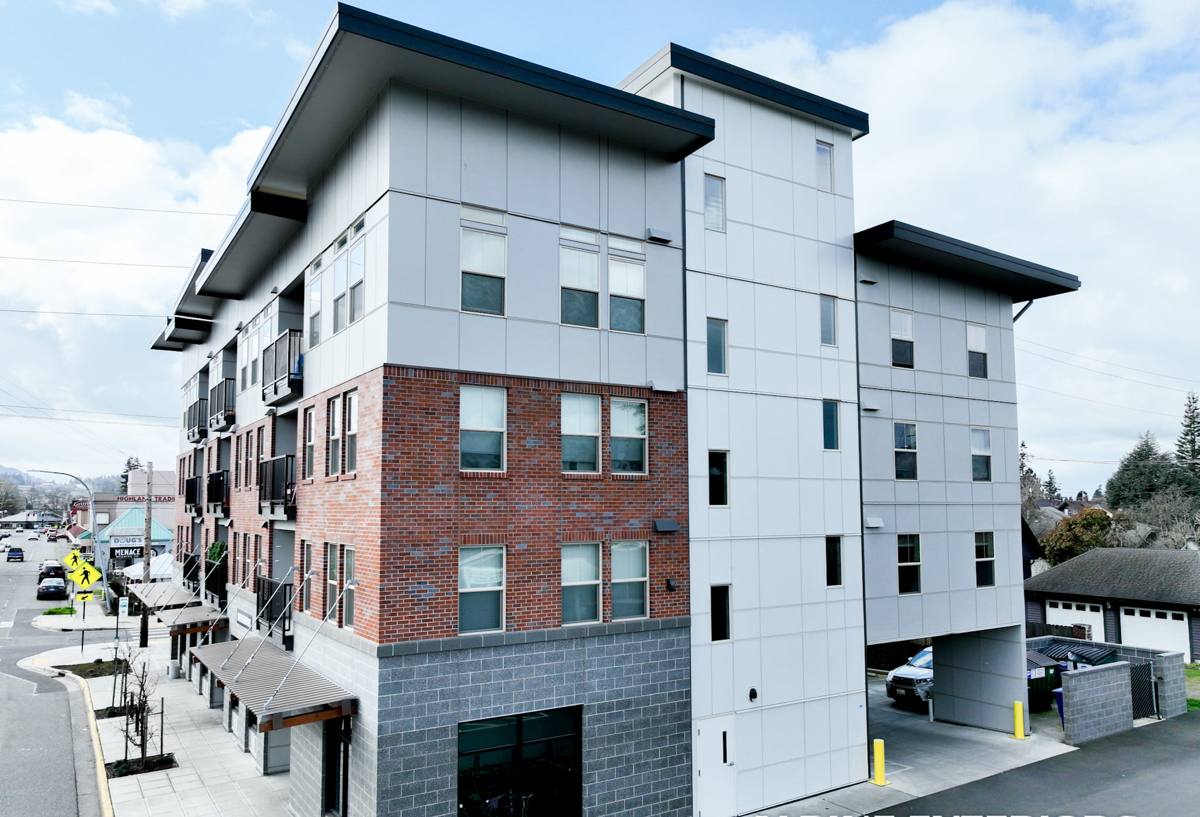
Why Salt Air and Moss Season Matter More Here Than Elsewhere
Salt Air and Metal Fasteners
Proximity to saltwater accelerates corrosion on anything metal — fasteners, flashing, trim edges. Siding systems that rely on a lot of exposed metal hardware, or fasteners that aren't corrosion-resistant, show rust streaking and fastener failure years before they would inland. James Hardie panels themselves are cement-based and unaffected by salt exposure, but the installation still has to account for it: we spec corrosion-resistant fasteners and treat flashing details as non-negotiable on every waterside job.
Driving Rain and Wind Exposure
Wind off the water doesn't just bring rain straight down — it drives it sideways, up under laps, and into any seam that isn't properly shingled and sealed. A siding job that would perform fine in a sheltered inland yard can fail within a few seasons here if the water-management details (house wrap, flashing, lap spacing, caulking at penetrations) aren't done to spec. This is where most siding failures we get called out to inspect actually start — not with the siding material itself, but with water management around it.
Moss and Sustained Moisture
Whatcom County's long wet season keeps north-facing and shaded wall sections damp for extended stretches, which is exactly the environment moss and algae favor. Moss holding moisture against a wall surface for months at a time is hard on any material that can absorb water or swell. Fiber cement doesn't rot, swell, or provide the same food source that wood-based products do, which is a big part of why it holds its line and finish longer in these conditions.
What a Correct Installation Involves
James Hardie siding is only as good as the installation behind it. The panel itself is engineered to handle this climate — but the crew putting it up has to match that engineering with correct technique. Here's what we treat as mandatory, not optional, on every Lummi Nation job:
- Full house wrap or weather-resistant barrier installed and lapped correctly before any siding goes up
- Proper flashing at every window, door, and roofline intersection — the single biggest source of water intrusion when skipped or done poorly
- Correct nailing pattern and fastener spacing per Hardie's engineering specs, not "close enough"
- Minimum clearance between the bottom of the siding and grade, decks, patios, and roof lines to prevent wicking
- Factory-cut and factory-primed edges used wherever possible, with any field cuts back-primed before installation
- Caulking only at the joints Hardie's install guide calls for — over-caulking traps moisture just as often as under-caulking lets it in
- ColorPlus finished panels handled and cut with the correct blades to protect the factory finish and avoid exposing raw substrate
Skipping any one of these doesn't usually show up as a problem in year one. It shows up in year four or five, as a stain line, a soft spot, or a warranty claim that gets denied because the installation didn't meet spec. That gap between "looks fine going up" and "performs for 30 years" is where a lot of siding jobs go wrong, and it's the reason installation quality matters as much as the product choice.
Choosing the Right Hardie Product Line for This Location
James Hardie makes several siding profiles and engineered climate lines, and the right pick for a Lummi Nation home depends on exposure, wall orientation, and the look the homeowner wants.
| Product Line | Best Fit For | Why It Works Here |
|---|---|---|
| HardiePlank Lap Siding (HZ10 climate zone) | Most homes, all elevations | Engineered for the Pacific Northwest's wet, moderate-temperature climate; the most common choice on this coast |
| HardiePanel Vertical Siding | Modern styling, accent walls, gable ends | Clean vertical lines shed driving rain well when flashed correctly |
| HardieShingle Siding | Craftsman-style homes, accent areas | Traditional look without the moisture and moss vulnerability of real wood shingles |
| HardieTrim Boards | Corners, window and door trim, fascia | Matches the siding's water resistance so trim doesn't become the weak point |
For most Lummi Nation homes we recommend HardiePlank in the HZ10 formulation specifically engineered for this climate zone, paired with HardieTrim so the entire exterior envelope — not just the field siding — is fiber cement. Mixing Hardie panels with wood trim just relocates the moisture problem to the trim boards.
Color and Finish Considerations for a Waterside Home
ColorPlus factory-applied finish is baked on and backed by its own finish warranty, which matters more near the water than it does inland — repainting a waterside home more often because a field-applied finish is failing early is a real, recurring cost we see homeowners run into with other siding choices. ColorPlus is also more resistant to the chalking and fading that salt air and UV exposure accelerate. We'll walk through the current color and texture options during the estimate and talk through which finishes tend to hide moss and salt residue best between cleanings, since that's a practical concern here that it isn't in a lot of other markets.
Our Process, Start to Finish
1. On-Site Assessment
We walk the whole exterior, not just the section that's visibly failing. On waterside homes we pay particular attention to north and west-facing walls, areas under roof valleys where runoff concentrates, and any spot where moss has already established — that's often a sign of an underlying moisture or ventilation issue that needs to be addressed before new siding goes up, not covered over.
2. Tear-Off and Substrate Check
Old siding comes off and we inspect the sheathing underneath. This is the point where hidden water damage from a previous installation's flashing mistakes typically surfaces. We won't put new siding over compromised sheathing — repairing it first is part of doing the job right, and we'll always show you what we find before we cover it back up.
3. Water Management Layer
New house wrap, correctly lapped, plus new flashing at every penetration. This layer does more for the long-term performance of the siding than the siding itself, and it's the step that's easiest to shortcut and hardest to inspect once the job is finished.
4. Installation to Hardie Spec
Panels go up per manufacturer engineering specs — fastener pattern, clearances, and joint treatment as outlined above — using James Hardie only. We don't substitute in vinyl or engineered wood partway through a job to save time or cost.
5. Final Walkthrough
We go around the house together, point out the water-management details you can't see once it's finished, and make sure the finish and color match what was quoted.
Why Product Choice Matters as Much as the Crew
We install James Hardie exclusively — no LP SmartSide, no vinyl, no primed spruce, no cedar. That's a deliberate standard, not a limitation. In a climate with this much salt exposure and sustained moisture, the maintenance burden of wood-based and engineered-wood sidings tends to catch up with homeowners faster than they expect, and vinyl's tendency to warp, fade, and gap at seams shows up sooner near the water than it does inland. Fiber cement doesn't eliminate maintenance entirely, but it removes the moisture-absorption and pest vulnerability that drive most of the repeat problems we see on other products in this exact location. It's also why James Hardie backs the product with a strong transferable warranty — they've engineered specifically for regions like this one.
What to Budget For
Every home is different, and an accurate number requires seeing the house, but a few cost factors are consistent across Lummi Nation jobs:
| Factor | Why It Affects Cost |
|---|---|
| Extent of hidden water damage found during tear-off | Sheathing repair is additional work, not part of a standard siding quote |
| Wall complexity (gables, dormers, multiple stories) | More cuts, more flashing detail, more labor time |
| Product line and texture chosen | Lap, panel, and shingle profiles carry different material costs |
| Trim scope | Full HardieTrim replacement versus spot repair changes the total significantly |
| Access and site conditions | Waterfront lots with limited staging area can add labor time |
A Quick Homeowner Checklist
Before you commit to any siding project near the water, it's worth confirming these points with whoever you hire:
- Are they installing an HZ10 or climate-appropriate Hardie product, not a generic profile pulled from inland stock?
- Will they inspect and repair sheathing before covering it, and show you what they find?
- Do they follow Hardie's published fastener and clearance specs, or their own shortcuts?
- Is flashing being replaced at every window, door, and roofline, or just reused from the old install?
- Does the quote separate material, labor, and any sheathing repair, so you know what you're actually paying for?
If you're weighing a siding replacement on a Lummi Nation home, we're happy to come take a look and walk you through what we see, with no pressure to sign anything on the spot. A free estimate is the easiest way to find out what your home actually needs before moss season and driving rain make the decision for you.