 Ferndale
 Semiahmoo's Waterfront Exposure Is a Different Job Than Siding Inland
Homes on or near the water in Semiahmoo take a beating that inland Whatcom County homes simply don't see. Salt-laden air corrodes untreated metal, driving rain off the water finds every gap in a poorly flashed wall, and the long gray stretch of fall and winter keeps north- and shade-facing walls damp enough for moss and algae to take hold and stay there for months. Siding that's rated "fine" for a national average climate is being asked to do something harder here, and the difference shows up within a few years, not a few decades.
We install fiber cement siding on homes in this kind of exposure regularly, and the pattern is consistent: the homes that hold up are the ones where the material and the installation details were both chosen for this specific environment, not just installed to a generic spec sheet.
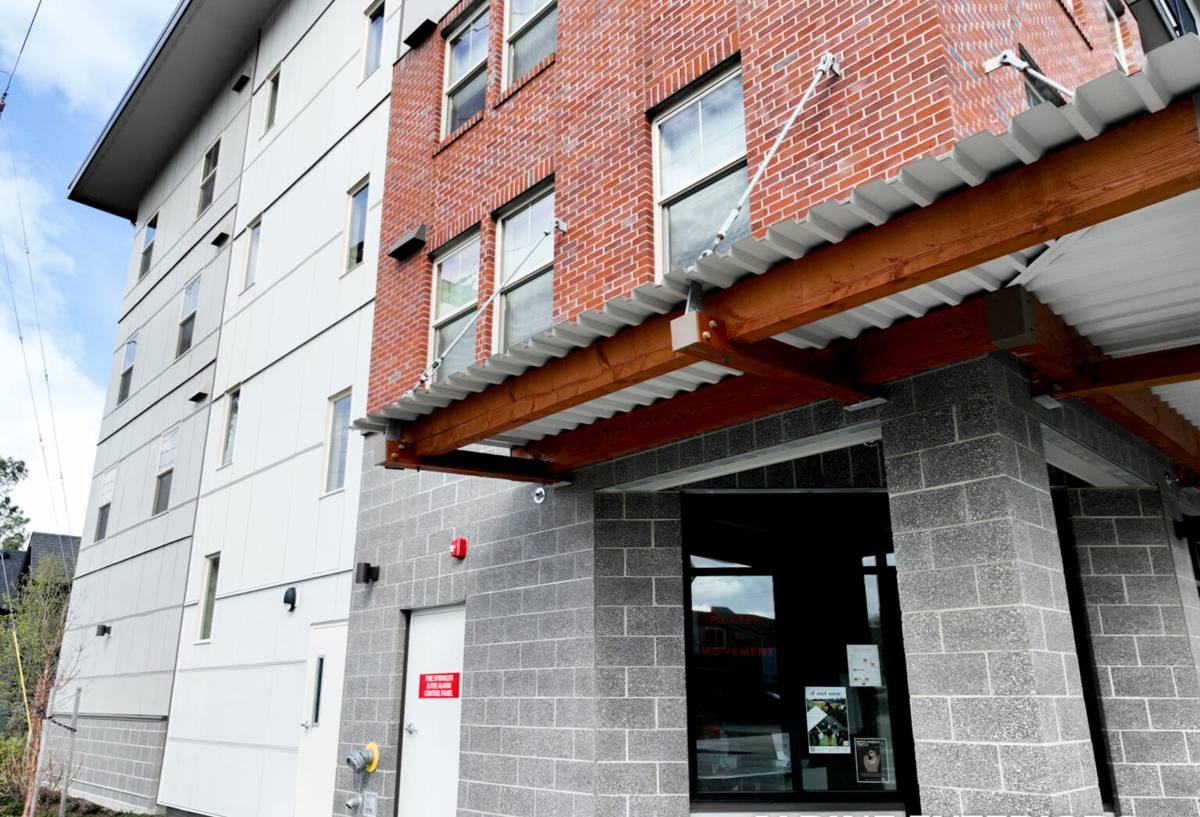
What Salt Air, Driving Rain, and Moss Season Actually Do to Siding
Salt Air
Airborne salt is corrosive to exposed metal — nail heads, trim flashing, hose bibs, light fixtures — and it accelerates the breakdown of coatings that aren't formulated to resist it. On waterfront-adjacent homes, this shows up first at fasteners and edge trim, long before the siding field itself shows any wear.
Driving Rain
Wind off open water doesn't just wet a wall, it pushes water sideways and upward under laps, around windows, and behind poorly sealed trim. A siding system built for calmer inland conditions can rely on gravity and a decent overlap to shed water. A siding system on an exposed wall in Semiahmoo needs a real drainage plane behind it, because water is going to get past the face material whether the product is rated for it or not.
Long Moss Season
Whatcom County's wet season runs long, and shaded or north-facing walls can stay damp for weeks at a stretch. Any siding material that absorbs moisture, or that has seams and joints where organic debris can collect, becomes a growth surface for moss and algae. Over time that growth holds moisture against the wall and accelerates whatever decay process the underlying material is prone to.
Why We Standardized on James Hardie Fiber Cement
We install James Hardie fiber cement exclusively — we don't install vinyl, LP SmartSide, Cemplank, Allura, primed spruce, or cedar. That's not a marketing position, it's a standard we hold because of what we've seen these materials do (and not do) in exactly this kind of coastal, wet-winter exposure:
- Non-combustible core. Fiber cement doesn't feed a fire the way wood-based products can, which matters for insurance considerations as much as safety.
- Factory-applied ColorPlus finish. The color and protective coating are baked on at the factory under controlled conditions, which holds up better against sun and salt exposure than field-applied paint, and it means no repainting cycle every several years.
- Climate-engineered HZ product lines. Hardie builds its siding to different moisture and freeze-cycle specifications by climate zone — more on that below — instead of one formulation for the whole country.
- Dimensionally stable. Fiber cement doesn't swell, cup, or crack the way wood-based sidings can when they take on repeated moisture cycles.
- A strong, transferable manufacturer warranty backed by a company that's been making this specific product for decades, not a newer entrant still building its track record.
Plenty of other products get parts of this right. What made us stop installing them is the combination of maintenance burden, moisture behavior over time, and installation sensitivity that we kept running into in exactly the kind of exposure Semiahmoo homes deal with.
Hardie's HZ5 vs. HZ10: Why the Right Formulation Matters Here
James Hardie engineers its siding differently depending on the climate it's going into. HZ5 is built for regions with more moderate freeze-thaw and moisture cycling. HZ10 is formulated for the harshest, wettest, and coldest-cycling conditions in the Hardie lineup. For a waterfront-exposed home in Semiahmoo, product selection isn't a formality — it's a decision that affects how the siding performs over the next 20-plus years. Part of our job on the estimate visit is looking at your home's actual exposure — how close to open water, how much wind-driven rain it takes, which walls stay shaded — and specifying the right product line for that wall, not just defaulting to whatever's cheapest.
What a Correct Installation Involves
Fiber cement siding is only as good as the installation behind it. In a high-exposure area like Semiahmoo, a handful of details separate a siding job that lasts from one that fails early and quietly — usually behind the wall, where you can't see it until there's already damage.
- A real drainage plane (rainscreen). A gap between the siding and the weather-resistive barrier lets any water that gets past the face material drain and dry out instead of sitting against the sheathing.
- Correct flashing at every penetration. Windows, doors, hose bibs, light fixtures, and roof-to-wall intersections all need flashing detailed to shed water outward, not just caulk relied on to seal a gap.
- Corrosion-resistant fasteners. In salt air exposure, fastener material matters — the wrong fastener corrodes, stains the siding face, and eventually loses holding strength.
- Proper clearances. Hardie specifies minimum clearance from grade, roofing, and decks. Skipping these clearances is one of the most common causes of moisture damage we see on homes that weren't installed to spec.
- Correct fastener spacing and nailing pattern for the specific plank profile and exposure, per Hardie's published installation instructions.
- Sealed and back-primed cut edges at every field cut, since a factory-finished edge that gets cut on site needs to be treated before it's exposed to weather.
Every one of these is spelled out in Hardie's installation guidelines. The material doesn't fail in this climate — installations that skip these details do.
How Fiber Cement Compares for This Exposure
| Material | Salt Air / Moisture Behavior | Maintenance | Typical Longevity Here |
|---|---|---|---|
| James Hardie fiber cement | Doesn't rot or absorb moisture into the core; factory finish resists coastal UV and salt exposure | Occasional wash; no repainting cycle with ColorPlus | Decades, with a strong transferable warranty |
| Vinyl | Won't rot, but can warp or crack under wind-driven impact and UV; seams can allow moisture behind panels | Low, but panels can't be spot-repainted or repaired cleanly | Moderate; performance drops in high-exposure, high-wind sites |
| Wood-based siding (cedar, primed spruce, engineered wood) | Absorbs moisture; prone to swelling, cupping, and rot in prolonged damp exposure | Regular painting/sealing and moss treatment | Shorter, and highly dependent on ongoing maintenance |
| Other fiber cement brands | Similar core material properties, but climate-zone engineering and finish systems vary by manufacturer | Varies by product and finish system | Varies; warranty structure and track record differ by brand |
Our Process for a Semiahmoo Job
- On-site assessment. We look at your home's specific exposure — proximity to open water, prevailing wind and rain direction, shaded walls prone to moss — and check the current siding and sheathing for hidden moisture damage.
- Product and profile selection. Based on that exposure, we recommend the right Hardie product line and profile (lap width, panel vs. plank, trim style) for the home.
- Tear-off and substrate check. We remove the existing siding and inspect the sheathing and framing underneath. Any rot or moisture damage gets addressed before new siding goes on — covering up a wet wall is how you end up doing this job twice.
- Weather-resistive barrier and drainage plane. We install a proper WRB and rainscreen gap so the wall can drain and dry, not just shed water on the surface.
- Flashing and installation to spec. Every window, door, and penetration is flashed correctly, and the siding is installed with the fastening pattern, clearances, and joint treatment Hardie specifies for the product and exposure.
- Final walkthrough and warranty registration. We walk the finished job with you and register the manufacturer warranty in your name.
Why Hiring a Crew That Already Works Semiahmoo Matters
Siding crews that mostly work inland, calmer sites don't always think about rainscreen gaps, fastener corrosion resistance, or clearance details the same way — because most of the homes they work on don't punish those shortcuts. A crew that regularly works waterfront and near-waterfront exposure in Whatcom County treats those details as standard practice, not extras, because we've seen what happens on the homes where they were skipped. That local pattern-recognition — knowing which walls in this kind of setting need the most attention, and which product line actually belongs on them — is the difference between a siding job that's rated for the climate on paper and one that's actually built for it.
Signs Your Current Siding Is Losing the Fight
- Persistent moss or algae staining that comes back within weeks of cleaning
- Soft or spongy spots when you press on the siding, especially near the bottom courses or trim
- Visible rust streaks below fastener heads or metal trim
- Peeling, bubbling, or chalky paint on wood-based or previously painted siding
- Warping, cupping, or gaps opening up between boards or panels
- Rising heating bills with no other clear cause, which can point to moisture-compromised insulation behind the siding
Living With Fiber Cement in a Coastal, Wet-Winter Climate
Correctly installed Hardie siding doesn't need much from you. A rinse with a garden hose once or twice a year knocks off salt residue and keeps organic buildup from getting a foothold, especially on shaded or north-facing walls. Because the color is factory-applied, there's no repainting cycle to plan around. The main thing worth watching is anything that changes at trim, flashing, or caulked joints over time — catching a small gap before a wet season, rather than after, is the cheapest maintenance you'll ever do on this house.
If you're weighing a siding replacement on a home in or near Semiahmoo, we're glad to come take a look, walk the exposure with you, and give you a straight, no-pressure estimate for what a correctly installed James Hardie system would involve on your specific walls.