 Ferndale
 Windows Built for the Cordata Climate, Not Just the Cordata Look
Homes in and around Cordata sit close enough to the water and open farmland that they take a steady beating from weather most inland homeowners never think about. Salt-laden air off the Sound works its way into aluminum and steel components. Driving rain, pushed sideways by wind off open fields, tests every seam around a window opening. And a moss season that can stretch from fall through spring keeps roof and siding surfaces damp longer than most manufacturers assume when they write their installation specs. Window installation here isn't just about picking a style and popping it into the opening — it's about managing water, air, and slow material fatigue over years, not weeks.
This page covers what window installation specifically for Cordata-area homes should involve: the local conditions that matter, what a correct installation actually requires, how we approach the work, and what to expect from start to finish.
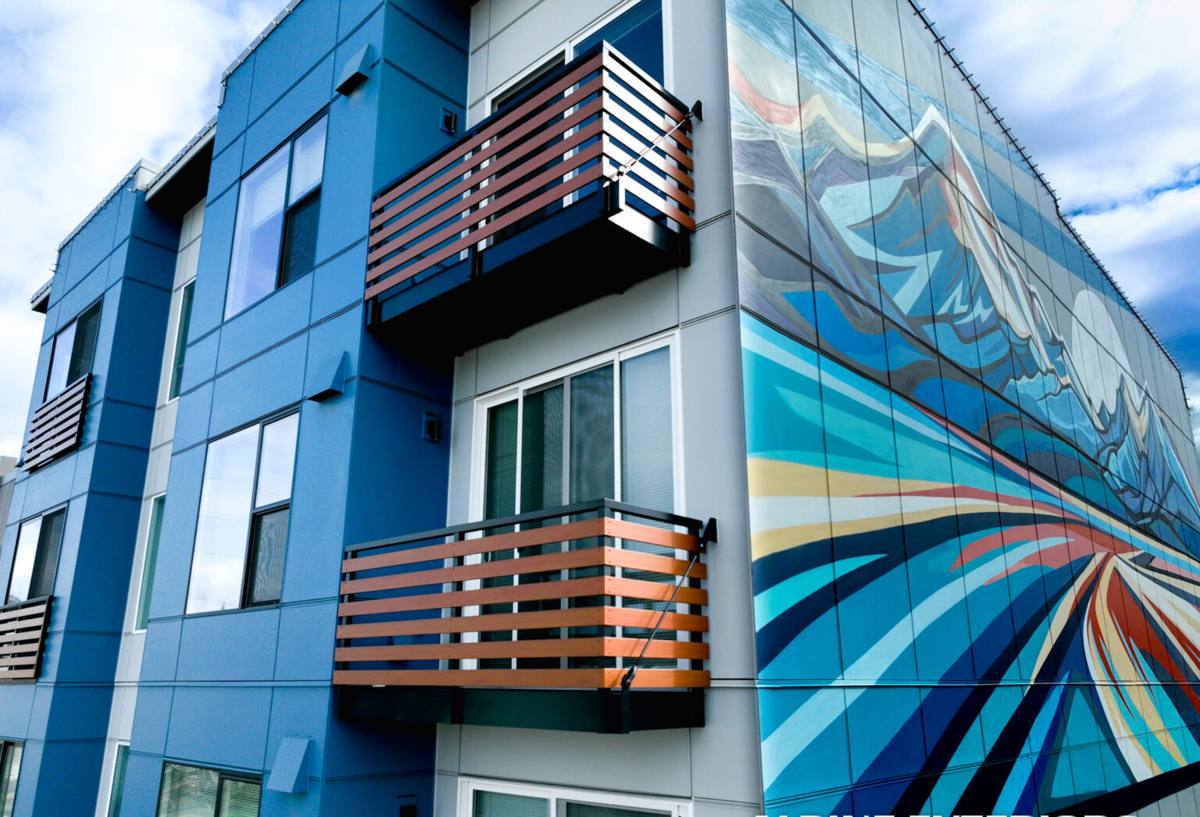
What This Climate Actually Does to a Window Over Time
Salt Air and Corrosion
Even a few miles inland, salt-bearing moisture in the air accelerates corrosion on hardware, screws, and lower-grade metal components. Cheap fasteners and unprotected flashing metal are the first things to fail. Over a few years, this shows up as streaking, stuck hardware, or fasteners that back out and let water find a path behind the trim.
Driving, Wind-Driven Rain
Whatcom County storms don't just fall — they blow sideways. That matters because a window that's watertight in a vertical downpour can still leak under wind pressure if the flashing, sill pan, and sealant details weren't done correctly. Most window leaks aren't a failure of the window itself; they're a failure of the installation detailing around it.
The Long Moss Season
Moss and algae thrive in the shaded, damp conditions common on north-facing walls and under eaves for much of the year. Around windows, that translates into trim and sill areas that stay wet longer after every rain event, which speeds up rot in any wood trim or sheathing that isn't properly flashed and sealed. A window installed without attention to drainage becomes a moss and mildew trap by its second winter.
Older and Newer Homes in Cordata Have Different Starting Points
Cordata includes a mix of housing ages and construction styles, and that mix matters for window work. Older homes are more likely to have wood-framed openings, older flashing methods (or none), and window rough openings that have shifted slightly with age and settling. Newer construction is more likely to have house wrap and modern flashing tape already in place, but that doesn't guarantee the original installation was done correctly — window installation is one of the most commonly rushed steps in production home building.
Either way, we don't treat window replacement as a like-for-like swap. Every opening gets inspected for hidden rot, proper slope at the sill, and whether the existing flashing is doing its job before a new window ever goes in.
What a Correct Window Installation Involves
Water Management First
The single biggest factor in whether a window lasts is what happens to water that gets past the glass and frame — because some always does. A sloped sill pan, properly lapped flashing (so each layer sheds water onto the layer below it, never the reverse), and sealant placed only where it should trap water, not where it traps it against wood, are non-negotiable steps. Skipping or rushing this is the number one cause of hidden rot behind a window that looks fine from the outside.
Air Sealing and Insulation
Gaps between the window frame and the rough opening need to be sealed with a flexible, low-expansion foam or backer rod and sealant — not packed solid with rigid foam, which can bow the frame and cause the window to bind or fail to seal properly. Good air sealing also cuts down on drafts and condensation on interior sills, which is a common winter complaint in this area.
Fit, Level, and Structural Integrity
A window that's out of level or racked in the opening won't seal or operate correctly no matter how good the flashing is. This means shimming correctly, checking the opening square before installation, and confirming the window operates smoothly once fastened — not just eyeballing it from across the room.
Trim and Exterior Finish
The trim and caulking around the window are the last line of defense and the first thing visible from the street. Exterior sealant needs to be a product rated for this climate's temperature swings and UV exposure, applied in a bead that sheds water rather than one that just fills a gap.
Signs a Cordata Home's Windows Need Replacing (Not Just Recaulking)
- Visible daylight, drafts, or whistling around the frame when it's windy
- Fogging or moisture between panes of double-glazed windows — this means the seal has failed and can't be repaired
- Soft or discolored trim or sill wood, or a musty smell near the window when the room is closed up
- Windows that are difficult to open, close, or lock, especially after a wet stretch of weather
- Visible mold or persistent black staining on interior sills or lower corners of the frame
- Condensation forming consistently on the interior glass, even with normal ventilation
Choosing Frame Materials and Glass for This Climate
There's no single "best" window for every home — the right choice depends on the home's exposure, budget, and how much maintenance the homeowner wants to take on. Here's how the common options generally compare for a marine, high-moisture climate like this one:
| Frame Material | Moisture Performance | Maintenance | Typical Trade-Off |
|---|---|---|---|
| Vinyl | Good — won't rot or corrode | Low | Can look less premium; frame flexes slightly in large sizes |
| Fiberglass | Very good — dimensionally stable in wet/dry swings | Low | Higher upfront cost than vinyl |
| Wood (clad exterior) | Good if cladding is intact; vulnerable where cladding is damaged | Moderate to high | Best interior look; needs the exterior clad layer to stay sealed |
| Aluminum (uncoated or older) | Poor in salt air — prone to corrosion and condensation | Moderate | We generally steer homeowners away from this option here specifically because of the salt-air exposure |
For glass, a dual-pane unit with a low-E coating is the practical baseline for this area — it manages both heat loss and the glare off frequent overcast skies. Argon-filled units add a modest efficiency bump; whether that's worth the incremental cost depends on the specific window's exposure and the home's heating setup.
Our Installation Process
- On-site assessment. We inspect each opening, check for existing water damage or rot, and measure for accurate, custom-fit units rather than assuming standard sizes.
- Product selection. We walk through frame material, glass package, and style options based on the home's exposure and your budget — no upselling to a spec the house doesn't need.
- Removal and opening prep. Old windows come out carefully to avoid damaging surrounding siding or trim. Any hidden rot or damaged sheathing found at this stage gets addressed before the new window goes in, not covered over.
- Flashing and sill pan installation. This is the step most often rushed elsewhere. We build a proper drainage path before the window is ever set.
- Window installation and sealing. Set level and square, shimmed correctly, fastened per manufacturer spec, and sealed with climate-appropriate materials.
- Interior and exterior trim. Finished to match the home, with attention to sealant lines that will hold up through wind-driven rain.
- Final walkthrough and cleanup. We test operation on every window and clean up the site before we consider the job done.
Why Working With a Crew That Already Knows Cordata Matters
A lot of window problems in this area trace back to installation methods that were fine for a drier climate but weren't adapted for ours. A crew that regularly works in and around Ferndale and greater Whatcom County already knows which flashing details actually hold up to sideways rain, which fastener grades resist the salt air, and how to spot the early signs of moss-driven trim rot before it turns into a structural repair. That local pattern recognition is the difference between a window that's still performing in fifteen years and one that needs attention again in five.
What to Ask Before You Hire Anyone for Window Installation
- Will you inspect and address any existing rot or water damage before installing, or just install over it?
- What specific flashing and sill pan method do you use, and why?
- Are you licensed and insured to work in Washington, and can you provide proof?
- What's the warranty on the installation labor, separate from the manufacturer's product warranty?
- How do you handle unexpected issues found once the old window is removed?
- Can you explain, in plain terms, why you'd recommend one frame material or glass package over another for this specific home?
Cost Factors Worth Understanding Up Front
Window installation costs vary based on window size, frame material, glass package, how many units are being replaced, and whether the crew finds hidden damage once the old window is out. Fiberglass and higher-end wood-clad units cost more upfront than vinyl but often cost less over time in maintenance. Homes with existing rot or flashing failures will have a higher total cost than a straightforward swap, simply because that damage needs to be fixed properly rather than covered up. We give straightforward, itemized estimates so you know what you're paying for and why — not a single vague number.
If your Cordata-area home has windows that are drafty, fogged, hard to operate, or just old enough that you're wondering if it's time, we're happy to take a look and give you an honest, no-pressure assessment. Use the form below to request a free estimate.