 Ferndale
 Why Board & Batten Suits Cordata's Homes
Board and batten has become one of the most requested siding profiles in Cordata, and it's easy to see why. The vertical lines read as clean and modern on newer builds, but the same profile also reads as classic farmhouse on older homes and outbuildings. It's a style that works on a wide range of houses in this part of Whatcom County, from tract homes to custom builds. But the look is only half the job. In a climate that delivers salt-laden air, sideways rain, and months of moss growth every year, the material and the installation details matter more than the profile itself. A board and batten wall that isn't built for this environment will show problems — cupping, staining, soft spots at the battens — well before a homeowner expects to think about siding again.
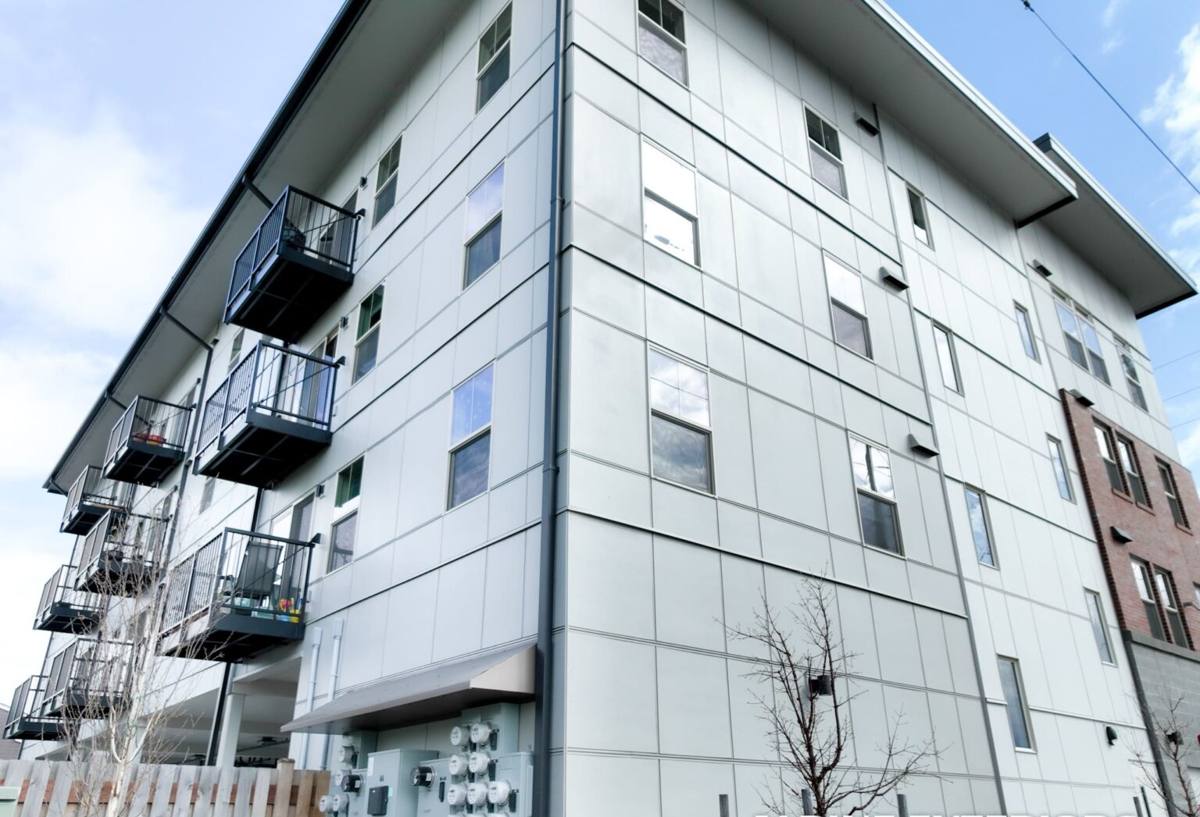
What Whatcom County's Climate Does to Vertical Siding
Cordata sits close enough to the water and to open, wind-exposed terrain that siding here takes on a different kind of punishment than siding fifty miles inland. Board and batten, because it relies on narrow vertical battens and exposed seams, is more sensitive to these conditions than a standard horizontal lap profile.
Salt Air and Coastal Moisture
Salt-carrying air corrodes exposed metal fasteners and hardware faster than dry inland air does. On a board and batten wall, the battens are typically face-nailed, which means more exposed fastener heads than a lap siding job. If those fasteners aren't corrosion-resistant, you get rust streaks bleeding down the face of the battens within a few seasons.
Driving Rain and Wind-Driven Water
Wind off the water pushes rain sideways and upward, not just straight down. That matters at every horizontal seam and every batten joint, where wind-driven rain can be forced behind the siding if the drainage plane and flashing details aren't right. A vertical profile has more seams per square foot than lap siding, so there are simply more places for a poor install to let water in.
Moss, Mold, and the Long Wet Season
Whatcom County's wet season runs long, and shaded, north-facing walls in Cordata stay damp for extended stretches. Moss and algae take hold fastest on materials that hold moisture at the surface or that lack a factory-cured finish. On board and batten specifically, moss tends to establish first in the shadow line under each batten, where airflow is slowest.
Why We Install James Hardie for Board & Batten — Not Vinyl or Wood
We only install James Hardie fiber cement siding. That's a deliberate standard, not a default, and board and batten is one of the profiles where the material choice matters most.
Vinyl board and batten looks the part from the street, but it's a thin extruded plastic panel that expands and contracts with temperature swings and can warp or bow over time, especially on sun-exposed walls. It also isn't fire-rated the way fiber cement is, and once it's damaged, the seams are difficult to blend in with a repair. Primed wood and engineered wood battens look great on day one, but they depend entirely on paint film integrity — the moment that film cracks or the end grain absorbs water, rot starts from the inside, and it's already spreading before it's visible from the ground.
James Hardie fiber cement doesn't share those failure modes. It's non-combustible, it holds paint and factory finish far longer than wood, and it doesn't swell or rot the way wood-based products do when they take on water. That's the difference that matters most on a profile with this many exposed seams and joints.
| Characteristic | Vinyl Board & Batten | Wood/Engineered Wood | James Hardie Fiber Cement |
|---|---|---|---|
| Moisture behavior | Doesn't rot, but can warp/bow | Absorbs water, prone to rot at joints | Engineered to resist moisture damage |
| Fire rating | Combustible | Combustible | Non-combustible |
| Finish longevity | Can fade/chalk over time | Depends on paint maintenance cycle | Factory ColorPlus finish, long warranty |
| Maintenance | Low, but repairs are visible | Repainting/caulking on a recurring cycle | Minimal; no repainting on a set cycle |
What a Correct Board & Batten Installation Actually Involves
The visible battens are the smallest part of doing this job right. Most of the work — and most of what separates a wall that lasts from one that doesn't — happens behind them.
Rain Screen and Drainage Plane
Given how much wind-driven rain Cordata sees, a drainage gap behind the siding isn't optional in our book. A vertical furring strip or rainscreen system creates a gap between the weather-resistant barrier and the back of the panel, so any moisture that does get past the face of the siding can drain and dry out instead of sitting against the sheathing.
Fastening and Batten Spacing
Battens need to land on framing, not just be nailed through the panel into sheathing, and fastener spacing has to match manufacturer specs — too few fasteners and battens can work loose in wind; too many or poorly placed and you risk splitting or over-driving. We use corrosion-resistant fasteners throughout specifically because of the salt air exposure common to this area.
Flashing and Trim Details
Every horizontal transition — window heads, water tables, roof-to-wall intersections — needs correct flashing and kick-out details. On a vertical profile, the top and bottom terminations of each panel run are where poor detailing shows up first, usually as staining or soft trim within a couple of wet seasons.
Design Choices for Cordata Homes
Reveal and Board Width
Batten spacing and width change the character of the wall — tighter spacing reads more traditional, wider spacing reads more modern. We'll walk through spacing options against your home's actual proportions rather than picking a look off a brochure photo.
Factory Finish Options
James Hardie's ColorPlus finish is baked on at the factory and backed by its own finish warranty, which matters on a profile with this much exposed surface area. It also means less on-site painting, which shortens the install timeline and reduces the number of seams relying on field-applied caulk and paint to stay sealed.
Our Process, Start to Finish
- On-site walkthrough of the existing walls, framing condition, and drainage details specific to your home.
- A written estimate that spells out material, fastening approach, and any rainscreen or flashing work included.
- Removal of old siding and inspection of the sheathing underneath before anything new goes up — this is where hidden moisture damage from a prior install often surfaces.
- Weather-resistant barrier, drainage plane, and flashing installed to spec before a single panel goes on.
- Panel and batten installation, followed by trim and final detailing.
- Final walkthrough so you can see the finished work and ask questions before we consider the job done.
Cost Factors to Expect
Board and batten generally costs somewhat more than a straightforward lap siding install on the same wall, mainly because of the added batten material and labor. Exact numbers depend on your home's size, wall condition, and design choices, but these are the factors that move the number most:
| Factor | Why It Matters | Effect on Cost |
|---|---|---|
| Batten spacing/width | More battens per wall means more material and labor | Tighter spacing increases cost |
| Sheathing condition | Rot or damage found after tear-off requires repair before re-siding | Can add cost, but skipping it costs more later |
| Rainscreen system | Adds a furring/drainage layer behind the siding | Modest upfront increase, protects the investment |
| Wall complexity | Dormers, multiple gables, and cutouts add labor | Increases cost relative to simple wall planes |
| Trim and flashing scope | Full trim replacement vs. reusing sound existing trim | Depends on existing trim condition |
Why Hire a Crew That Already Works in Cordata
A crew that's already worked in this part of Whatcom County has seen how the local combination of salt air, wind-driven rain, and moss pressure actually plays out on a wall over several years — not just how a product performs on paper. That experience shows up in decisions a homeowner won't necessarily notice at the time: how the drainage plane gets detailed at a tricky roofline, which fastener spec actually holds up under coastal exposure, where extra flashing earns its keep. Before you hire anyone for a board and batten job in this area, it's worth asking a few direct questions.
- Do you install a rainscreen or drainage gap behind board and batten siding, or panels direct to the weather barrier?
- What fastener type do you use, and is it rated for coastal/salt-air exposure?
- Will you inspect and document sheathing condition before re-siding, not just after?
- How do you flash window heads, water tables, and roof-to-wall transitions on a vertical profile?
- Is the manufacturer's warranty registered in my name, and what does it actually cover?
If a contractor can't answer those clearly, that's worth knowing before the tear-off starts, not after.
If you're weighing board and batten for a home in Cordata, we're happy to walk the property with you, look at what's there now, and give you a straight, no-pressure estimate for doing it right the first time. There's a form below to get that started.