 Ferndale
 Siding Replacement in Birch Bay: A Job Shaped by the Water
Birch Bay sits directly on the water in northern Whatcom County, and that location changes what "siding replacement" actually means here. On a sheltered inland lot, old siding can sometimes be patched or partially replaced and still hold up for years. On a waterfront property in Birch Bay, salt-laden marine air, driving rain that comes in sideways off the bay, and a moss season that runs most of the year put a different kind of load on the wall assembly. When siding starts failing here, it's usually not a cosmetic problem — it's a sign that moisture has already found a way past the surface, and a full, correctly sequenced replacement is what actually fixes it.
This page is specifically about siding replacement for Birch Bay homes: what tells you it's time, what a correct job involves underneath the new material, how our process runs, and why we do this work with James Hardie fiber cement and nothing else.
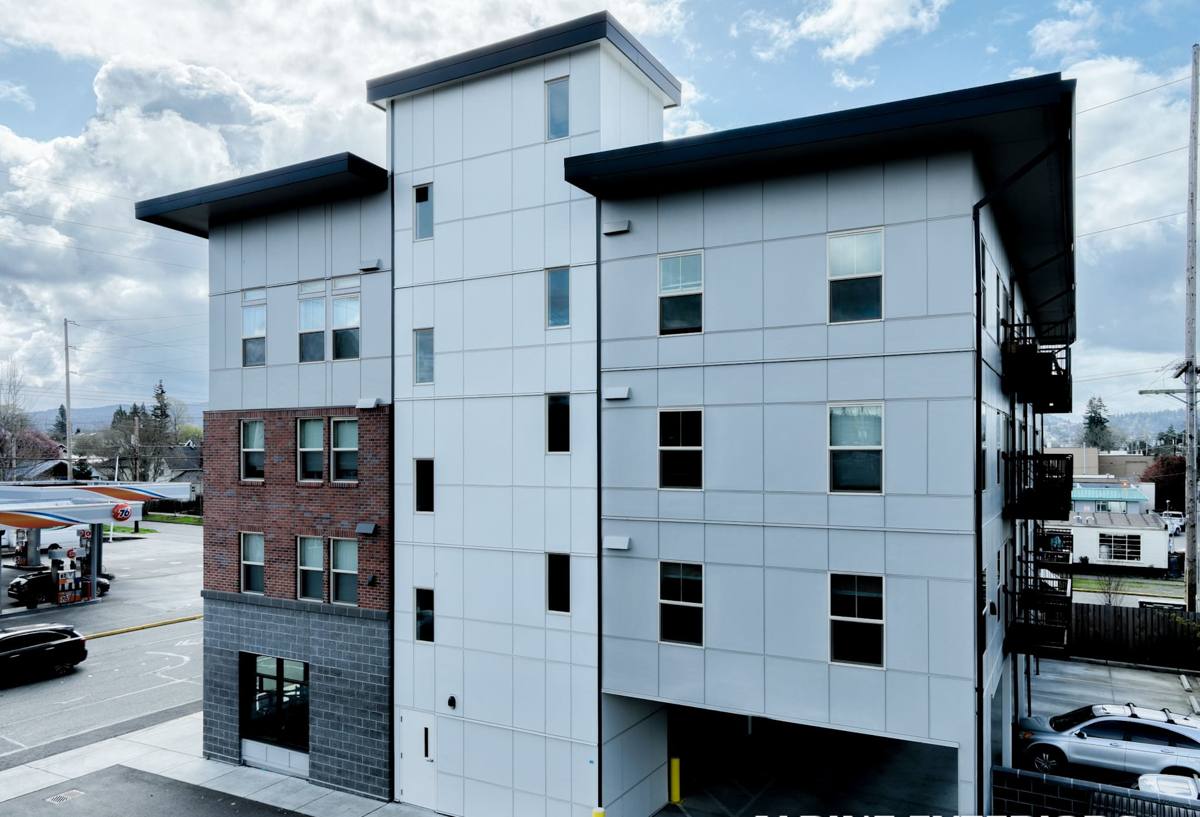
Signs a Birch Bay Home Needs Siding Replaced, Not Patched
Every siding material eventually shows wear. The question worth answering before spending money is whether what you're looking at is surface wear or a sign the wall assembly underneath is already compromised. In a climate this wet and salty, we lean toward taking a closer look rather than assuming it's cosmetic.
- Boards that are visibly cupping, bowing, or separating at the seams
- Soft or spongy spots when you press on the siding, especially near the bottom courses or window trim
- Paint that keeps failing in the same spots within a year or two of repainting
- Persistent moss or dark staining that returns quickly after cleaning, particularly on shaded or north-facing walls
- Visible gaps, warping, or fastener heads popping through the surface
- Interior signs — musty smell, staining on interior walls, or peeling paint on the inside of an exterior wall
Any one of these can show up on an otherwise healthy wall. Several together, especially on the water-facing sides of the house, usually mean moisture has been getting behind the siding for a while and a repair won't reach the actual problem.
What's Really Driving Failure in This Climate
Salt Air and Corrosion
Direct salt exposure off the bay accelerates corrosion of fasteners, flashing, and any lower-grade metal trim faster than it would a few miles inland. Once fasteners or flashing start to corrode, water gets a path behind the siding even if the boards themselves still look fine from the street.
Wind-Driven Rain
Waterfront exposure means more wind, and wind pushes rain sideways into seams, laps, and trim joints instead of letting it run straight down and off. Siding and flashing details that would be adequate in a calmer location can still leak here specifically because the water is arriving from an angle they weren't detailed to handle.
Sustained Moisture and Moss
Mild temperatures, shade, and near-constant dampness add up to a long moss and mildew season across this stretch of Whatcom County. Any siding material that's even slightly porous, or installed without a drainage path behind it, becomes a surface that holds moisture against the wall instead of shedding it.
What a Correct Siding Replacement Involves
It's a Wall Job, Not a Surface Job
Replacing siding correctly means removing the old material entirely and inspecting everything it was covering — sheathing, weather-resistant barrier, flashing at windows, doors, and roof-to-wall transitions, and the framing itself where water has been getting in. On a lot of the tear-offs we do in this area, the siding was the visible symptom; the real damage was in soft sheathing or failed flashing that had been sitting behind it, sometimes for years.
Fixing What's Underneath Before Anything New Goes On
Any soft or rotted sheathing gets cut out and replaced. Flashing at every penetration and transition gets redone to current standards, not just re-caulked over. In a climate with this much wind-driven rain, we also pay close attention to drainage detailing behind the new siding, so that any moisture that does get past the surface has a way out instead of sitting against the wall.
Why Patching Rarely Makes Sense Here
Patching a section of failing siding can look like the cheaper fix, but it usually just delays the same problem to the next section of wall, and it doesn't address whatever let water in the first place. On a waterfront property, we'd rather tell a homeowner honestly that a full replacement is the right call than sell a patch job that needs revisiting in two years.
Why We Replace With James Hardie Fiber Cement Only
We install James Hardie fiber cement siding exclusively. We don't install LP SmartSide, vinyl, Cemplank, Allura, primed spruce, or cedar. That's not a brand preference — it's a professional standard built from years of tear-offs and service calls in exactly this kind of salty, wet coastal environment.
| What Matters in This Climate | Why James Hardie Fits |
|---|---|
| Constant moisture and humidity | Fiber cement doesn't swell, warp, or cup the way wood-based products can with repeated wetting |
| Salt air and fastener corrosion | Installed with corrosion-resistant fasteners and hardware suited to marine exposure |
| Long-term finish durability | Factory-applied ColorPlus finish resists fading and chalking better than field-applied paint |
| Regional freeze-thaw and moisture cycling | Hardie's HZ5 formulation is engineered for climates like waterfront Whatcom County |
| Fire exposure | Non-combustible core, unlike wood-based siding options |
Each of the products we don't install has a legitimate place in the market, and plenty of homeowners elsewhere are satisfied with them. On a Birch Bay property, though, we've made the call that we'd rather stand fully behind one system than offer a cheaper option that shifts long-term maintenance and moisture risk back onto the homeowner.
Why the Installation Matters as Much as the Product
Fiber cement only performs the way it's designed to when it's installed to Hardie's published specifications — correct fastener type and spacing, proper clearance from grade and roofline, factory-mitered or properly sealed joints, and drainage detailing behind the panels. A Hardie board installed loosely or without those details will still develop moisture problems in this climate. The material and the installation are one package, not two separate decisions.
Comparing Replacement Options
| Material | Behavior in Salt Air / Moisture | Typical Maintenance | Longevity in a Birch Bay Setting |
|---|---|---|---|
| James Hardie fiber cement | Dimensionally stable, resists swelling and rot | Low; factory finish holds color and resists chalking | 30+ years with correct installation |
| Vinyl siding | Can distort with heat and settle over time; seams are exposure points | Low upfront, but limited repairability once damaged | Variable; shorter in high-wind waterfront spots |
| LP SmartSide / engineered wood | Wood-based core is moisture-sensitive at cut edges and joints | Moderate; edge sealing and caulk need ongoing attention | Depends heavily on installation quality and upkeep |
| Cedar / primed wood | Absorbs and releases moisture readily | High; needs regular refinishing in a wet, salty climate | Shorter without consistent maintenance |
Cost Factors in a Birch Bay Siding Replacement
Every replacement job is priced around the actual condition of the wall, not just the square footage of siding. A few factors tend to move the number the most on waterfront properties specifically:
- How much sheathing or framing has to be repaired or replaced once the old siding comes off
- How much flashing needs to be redone at windows, doors, and roof-to-wall transitions
- House height, roofline complexity, and access — waterfront homes often have more elevation or trickier access than an average inland lot
- Trim, corner detailing, and any custom siding profiles or accent work
- Whether existing paint, insulation, or old siding layers need to be fully removed and disposed of versus a simpler tear-off
We won't give a firm number without walking the exterior first, because on this stretch of coastline the condition behind the siding varies a lot more than the size of the house does.
Our Siding Replacement Process
- On-site assessment of the existing siding, with attention to the water-facing and shaded walls where problems usually show up first
- A clear, written scope covering tear-off, any sheathing or framing repair, flashing detail, and the Hardie product line and color selected
- Full removal of old siding and inspection of sheathing, barrier, and flashing before anything new goes up
- Repair of any compromised sheathing or framing found underneath
- Installation of new flashing and drainage detailing at windows, doors, and transitions
- Installation of James Hardie siding to manufacturer specification, including fastener type, spacing, and joint treatment
- Final walk-through so you can see the completed work and ask questions before we consider the job done
Why a Crew That Already Works Birch Bay Matters
A contractor who works this specific stretch of coastline regularly already knows what tends to be hiding under old siding on a waterfront lot — where flashing typically fails first, how far moss and moisture damage usually run, which walls take the worst of the wind-driven rain. That familiarity shows up in small decisions during the job: where extra drainage detailing gets added, which fastener grade gets used, how carefully the flashing at a roof-to-wall transition gets lapped. Those are exactly the details that decide whether a replacement lasts one wet decade or several.
Questions Worth Asking Before You Hire
- What siding material do they install, and why — and will they explain the trade-offs of other products honestly?
- Do they carry current Washington contractor licensing and active insurance?
- How do they handle sheathing or framing repair if it's found once the old siding comes off?
- What's their approach to flashing and drainage detailing on a waterfront-exposure home specifically?
- Will you get a written scope of work, including product line and warranty coverage, before signing anything?
If your siding is showing wear, or you're just not sure whether what you're seeing is cosmetic or something more, we're happy to take a look and give you an honest read on what's going on. Reach out below for a free, no-pressure estimate on siding replacement for your Birch Bay home.