 Ferndale
 Windows Built for the Marietta Stretch of Whatcom County
Marietta sits close enough to Bellingham Bay and the Nooksack delta that homes here take a different kind of weather beating than houses ten miles inland. Salt-laden air off the water, wind-driven rain that finds every gap in old flashing, and a wet season that stretches from October well into April all put extra stress on window openings. When we replace or install windows in this part of Whatcom County, we're not just swapping glass — we're rebuilding a water-management system around each opening so it holds up to conditions that are noticeably harder on building materials than what you'd see on the east side of the county.
This page covers what a correct custom window job looks like specifically for Marietta-area homes: the climate factors that matter, what "custom" actually means in practice, how our install process works, and what to check before you hire anyone for this kind of work.
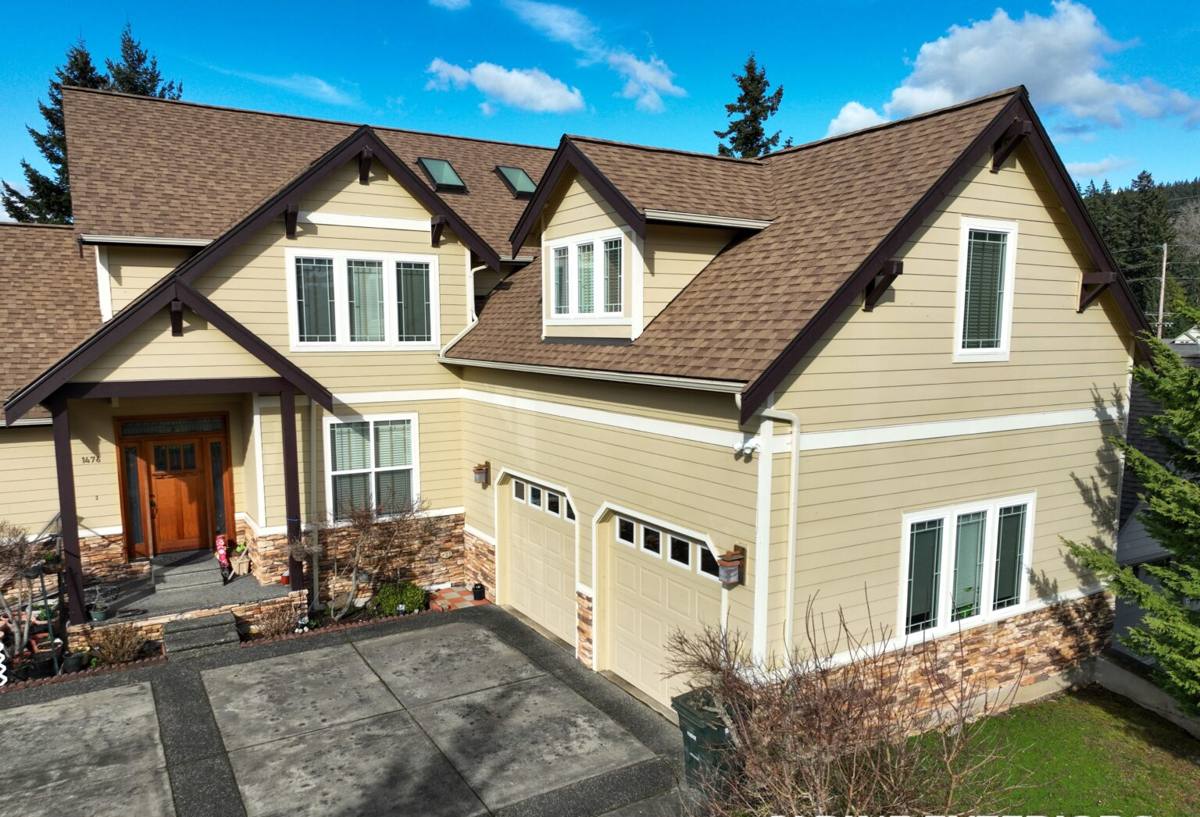
What the Local Climate Does to Windows Over Time
Salt Air and Metal Fatigue
Proximity to Bellingham Bay means airborne salt settles on exterior surfaces, including window frames, hardware, and fasteners. Over years, this accelerates corrosion on lower-grade aluminum components, cheap screws, and unprotected steel reinforcement inside vinyl frames. It doesn't ruin a window overnight, but it shortens the working life of hardware — locks, hinges, balance systems — faster than you'd see in a drier, inland climate.
Driving Rain and Wind-Loaded Water
Ferndale's storms often come with sustained wind, which pushes rain sideways into wall assemblies instead of letting it run straight down. That means flashing details and sill pans matter more here than in calmer climates — water doesn't just sheet off a window face, it gets driven up and under trim if the flashing sequence is wrong. A window that would perform fine in a low-wind region can leak within a few seasons here if it was installed with shortcuts.
Moss, Algae, and Trapped Moisture
The long, mild, wet stretch of the year supports moss and algae growth on north-facing walls, shaded siding, and anywhere air doesn't move well. Around windows, that growth holds moisture against trim and caulk lines longer than they're designed to tolerate, which speeds up caulk failure and wood rot at sills if the original install didn't account for drainage.
What "Custom Windows" Actually Means Here
"Custom" isn't a marketing word for us — it means the window is built to the actual opening and the actual conditions of the house, not pulled off a shelf in a stock size and shimmed to fit. For Marietta homes, that typically involves:
- Exact field measurement of each opening, since older Whatcom County homes are rarely perfectly square after decades of settling
- Frame material and hardware selection matched to salt-air exposure, especially on west- and water-facing elevations
- Sill pan flashing sized and sloped for the specific wall assembly, not a generic install
- Glass and gas-fill specification suited to Pacific Northwest heating patterns rather than a national default package
- Trim and casing profiles that match the home's existing exterior rather than a mismatched stock trim kit
None of this is exotic. It's the difference between an install that's built for this specific house in this specific location, and one that's built for a spec sheet.
Our Install Process
1. On-Site Assessment
We start by looking at each opening from both sides — interior trim and exterior siding — to check for existing water damage, soft framing, or prior repair work that needs addressing before a new window goes in. Installing a good window over a rotten sill just hides the problem.
2. Measurement and Product Selection
We measure every opening individually and talk through frame material, glass package, and hardware options based on the wall's exposure — a window on the weather side of the house gets treated differently than one tucked under an eave.
3. Removal and Opening Prep
Old windows come out carefully to avoid damaging surrounding siding or trim we're not replacing. We inspect the rough opening, address any rot or soft wood we find, and prep the sill for proper drainage before anything new goes in.
4. Flashing and Sill Pan Installation
This is the step that matters most for long-term performance in this climate. A correctly sloped sill pan and properly layered flashing — integrated with the house wrap or building paper, not just caulked over it — is what keeps wind-driven rain from working its way behind the window over time.
5. Window Setting and Air-Seal
The window is set level, plumb, and square, shimmed correctly so it isn't stressed out of shape, then sealed with appropriate low-expansion foam and sealant at the right points — not oversealed in ways that trap moisture, not underdone in ways that let air through.
6. Exterior Trim and Finish
Trim goes back on (or new trim is installed) with attention to caulk joints and drip edges that shed water rather than collect it — important in a place where moss and standing moisture are a year-round concern.
7. Walkthrough
We check operation, sealing, and finish work with the homeowner before calling the job done.
Frame Material Comparison for This Climate
| Material | Salt-Air Performance | Maintenance | Typical Trade-Off |
|---|---|---|---|
| Vinyl | Good — won't corrode | Low | Limited color/profile options long-term |
| Fiberglass | Very good — stable, low expansion | Low | Higher upfront cost |
| Wood-clad | Depends on cladding integrity | Higher — cladding seams need monitoring | Best interior look, most upkeep |
| Aluminum (uncoated or low-grade) | Poor near the bay without proper coating | Higher — corrosion risk | We avoid this near water without a marine-grade finish |
We don't push one material on every job — the right choice depends on the wall's exposure, the home's existing trim style, and the owner's maintenance preferences. What we won't do is put a corrosion-prone frame on a west-facing wall two miles from salt water and call it a day.
Signs Your Current Windows Are Losing the Battle
- Fogging or condensation between panes (seal failure in the insulated glass unit)
- Soft or discolored trim and sill wood, especially on north- or water-facing walls
- Difficulty opening, closing, or locking — often hardware corrosion or frame swelling
- Visible moss or dark staining directly below the window on siding or trim
- Drafts you can feel around the frame even when the window is fully closed
- Paint or caulk that's cracked and pulling away from the frame edge
Any one of these on its own isn't an emergency, but a few together usually mean the window's water management has already started to fail, even if the glass still looks fine.
Why a Crew That Already Works Marietta Matters
General window installers who don't work this specific area regularly can still do fine work, but they're often applying a generic installation approach that doesn't account for wind-driven rain patterns off the bay or the moss/moisture cycle that's specific to this stretch of Whatcom County. A crew that's done multiple jobs in Marietta and the surrounding Ferndale neighborhoods has already seen how flashing details, trim choices, and hardware selections hold up here over years — not just how they look on install day. That local pattern recognition is what prevents callbacks two or three winters down the road.
Cost Factors to Expect
Every job is different, but the main variables that move price on a custom window project here are:
| Factor | Why It Matters |
|---|---|
| Number and size of openings | More/larger windows mean more material and labor |
| Frame material | Vinyl, fiberglass, and wood-clad carry different material costs |
| Condition of existing framing | Rot repair at the sill or jamb adds time before the new window can go in |
| Glass and gas-fill package | Higher-performance glazing costs more but pays back in comfort and energy use |
| Trim complexity | Custom profiles or matching older trim styles takes more labor than stock trim |
We'll always walk through these factors with you before quoting so there aren't surprises once the job starts.
What to Ask Any Contractor Before You Hire
- Do you install sill pan flashing on every window, or only when asked?
- How do you handle rot or soft framing found once the old window is out?
- What's your warranty on both the window product and your labor/installation?
- Have you worked in this specific area of Whatcom County before?
- Can you walk me through your flashing sequence step by step?
If a contractor can't answer the flashing question in detail, that's a real warning sign for a climate like this one.
If your Marietta-area home has windows showing any of the wear signs above, or you're planning a renovation and want it done right the first time, we're happy to take a look. Fill out the form below for a free, no-pressure estimate — we'll walk the openings with you and give you a straight answer on what your home actually needs.