 Ferndale
 Fiber Cement Siding for Lummi Nation's Water-Exposed Homes
Lummi Nation sits out on the peninsula west of Ferndale, close enough to Bellingham Bay and the Strait that its homes carry a heavier version of the exposure the rest of Whatcom County deals with only part of the year. Salt-laden air moves through constantly instead of occasionally, rain arrives sideways more often than straight down, and shaded, north-facing walls stay damp long enough to keep moss and mildew active for most of the year. This page is specifically about fiber cement siding for homes in and around Lummi Nation — what the material needs to do here, what a correct installation actually involves, and how our process works from first walk-through to final punch list.
We install James Hardie fiber cement siding exclusively. Not because it's the only product on the market, but because it's the one system we've found holds up consistently under sustained coastal exposure without pushing hidden maintenance costs back onto the homeowner a few years down the road.
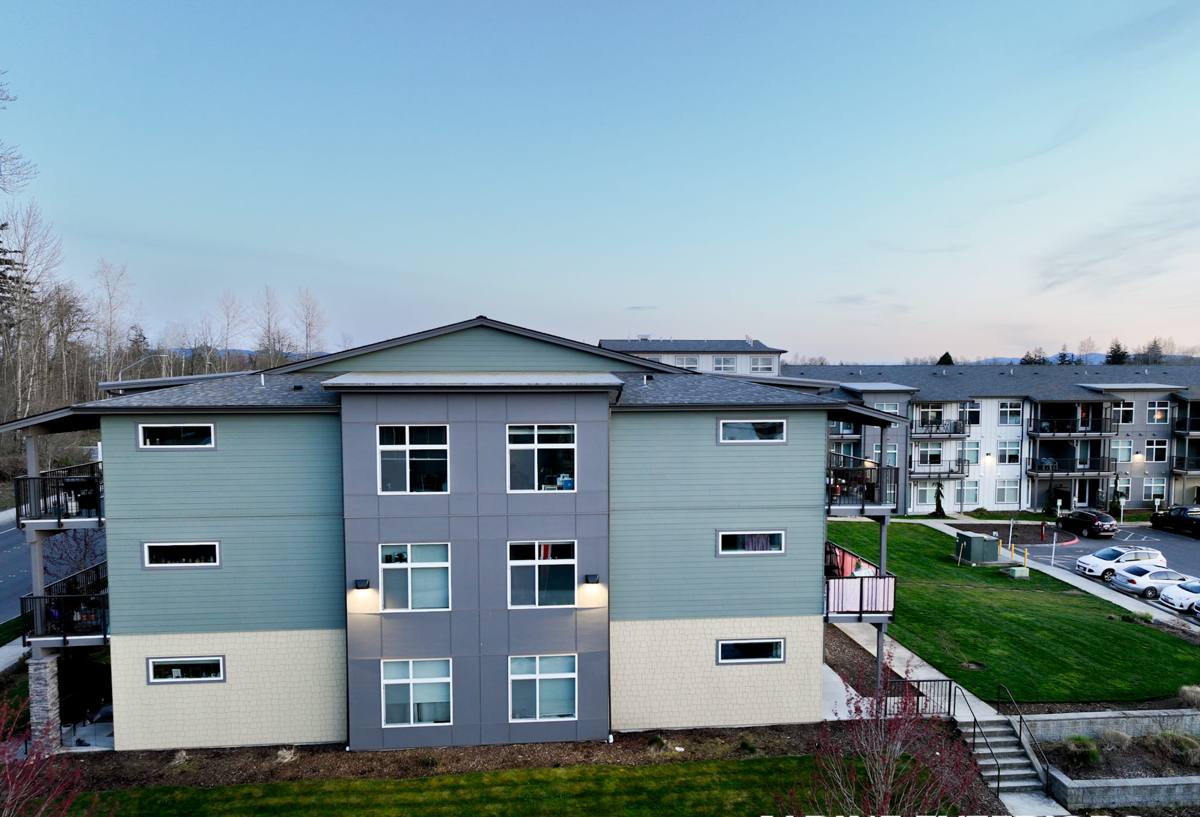
What This Climate Actually Demands From the Material
Salt Air and Fastener Corrosion
Salt-laden moisture doesn't just sit on the surface of a wall — it works into fastener heads, flashing seams, and any exposed hardware, accelerating corrosion well beyond what you'd see on a home a few miles inland. Fiber cement itself doesn't corrode, but a siding job is only as good as the fasteners and flashing behind it. Stainless or hot-dip galvanized fasteners rated for coastal exposure aren't optional here; they're the difference between trim that still looks clean in ten years and trim streaked with rust in three.
Wind-Driven Rain at Laps and Trim Joints
Open water exposure means fewer windbreaks, and wind is what turns rain into a sideways problem instead of a straight-down one. Fiber cement handles moisture on its face far better than wood-based products, but water doesn't usually fail a wall by soaking through a panel — it fails a wall by finding an unsealed lap, a butt joint without flashing tape behind it, or a window head where the siding was cut tight instead of properly flashed. On a lot this exposed, those details carry more weight than they would on a sheltered inland site.
A Moss Season That Doesn't Let Up
Peninsula terrain, tree cover in places, and near-constant dampness keep moss and mildew active on shaded walls for most of the year. Fiber cement resists moisture absorption into its core far better than wood or engineered wood siding, but organic growth sitting against any wall surface for months at a time still holds moisture where it doesn't belong. Proper clearance from grade, planting beds, and roof valleys matters more here than it does on a drier lot, because there's less of a dry stretch each year for a marginal detail to catch up on itself.
Choosing the Right Fiber Cement System
Lap Siding, Panel, and Board-and-Batten Profiles
James Hardie makes several siding profiles, and the right one depends on the home's style and its exposure, not just looks. HardiePlank lap siding is the most common choice and performs well on most Lummi Nation homes when installed with correct overlap and fastening. HardiePanel vertical siding, often run with battens for a board-and-batten look, sheds water differently and can suit certain architectural styles, but it demands even more careful attention to joint sealing and flashing since there are more vertical seams exposed to wind-driven rain. We'll walk through which profile fits a given home rather than defaulting to whatever's fastest to install.
HZ5 vs. Standard Formulations
Hardie engineers its siding in different formulations for different climate zones. The HZ5 line is built for regions with heavy, sustained moisture exposure and freeze-thaw cycling — a close match for a Lummi Nation property. We spec HZ5 on homes in this area rather than defaulting to a standard formulation built for a drier climate, because the added moisture resistance is exactly what a peninsula lot needs.
ColorPlus Finish vs. Field-Applied Paint
ColorPlus is Hardie's factory-applied finish, baked on under controlled conditions with a stronger bond than paint applied on-site after installation. On a home taking constant salt and UV exposure, that difference shows up as years of extra service life before the color starts to chalk or fade. Field-painted siding can still look fine on install day, but it's the finish that gives out first on an exposed coastal wall, not the fiber cement underneath it.
What a Correct Installation Actually Involves
Material choice only gets a Lummi Nation home halfway there. The rest comes down to details that are easy to rush and expensive to fix later:
- Fastening pattern and fastener spacing rated for higher wind exposure, not just manufacturer minimums
- Correct clearance from grade, roofline, decks, and any adjoining hardscape so siding doesn't sit in standing moisture
- A continuous, properly lapped weather-resistant barrier behind the siding, not just housewrap stapled up and left to gap at seams
- Flashing tape or metal flashing behind every horizontal butt joint, not caulk alone covering a gap
- Head flashing above windows and doors installed before trim goes on, not caulked in afterward as an afterthought
- Kickout flashing wherever a roofline meets a wall, directing runoff away from the siding instead of behind it
- Expansion gaps at panel edges and trim, sized to Hardie's spec so the material can move without cracking caulk joints
On a sheltered inland lot, a shortcut on any one of these might not show up for years. On a peninsula property taking more wind and more direct rain, the same shortcut tends to show up within a wet season or two — usually as a stain, a soft spot, or a callback nobody wants.
Our Process, Start to Finish
- On-site assessment. We walk the exterior, check existing siding and trim for moisture damage, and look at wall orientation, roofline, and grading to understand how water actually moves around the house.
- Scope and product selection. We recommend a profile, HZ5 or standard formulation, and ColorPlus color based on the home's exposure and style, and put together a written estimate with no pressure to sign that day.
- Tear-off and substrate check. Once old siding comes off, we inspect the sheathing and framing underneath for rot or trapped moisture before anything new goes up — this is often where a hidden problem first becomes visible.
- Weather barrier and flashing. We install or repair the weather-resistant barrier and set all flashing — window heads, butt joints, kickouts — before the first piece of siding goes on.
- Siding installation. Panels or planks go up to Hardie's fastening and clearance spec, with joints sealed and trim fitted last.
- Final walkthrough. We go over the finished job with you, point out anything worth knowing for future maintenance, and make sure the punch list is clear before we call it done.
Repair, Patch, or Full Replacement
Not every siding problem on a Lummi Nation home calls for a full re-side. A storm-damaged section, an isolated trim failure around a window, or a panel that's taken an impact can often be repaired and matched into existing Hardie siding without touching the rest of the wall. But if water has been tracking behind the siding for a while, or the home still has an older, non-Hardie product nearing the end of its service life, patching it usually just delays a bigger job while rot keeps spreading underneath. A short inspection can usually tell which situation you're actually in.
| Cost Factor | What It Affects | Why It Matters Here |
|---|---|---|
| Siding profile (lap, panel, board-and-batten) | Material cost and install labor | Vertical profiles have more seams to flash and seal against wind-driven rain |
| HZ5 vs. standard formulation | Material cost | HZ5's added moisture resistance is worth the difference on a peninsula property |
| Tear-off vs. install over existing siding | Labor scope and substrate access | Tear-off is often the only way to catch hidden moisture damage before it spreads |
| Substrate repair | Cost before new siding goes on | Rotted sheathing or framing found during tear-off has to be addressed first |
| Trim and flashing package | Material and labor cost | Corrosion-resistant hardware and full flashing detail cost more but last longer here |
| Color and finish selection | Material cost | Premium ColorPlus colors carry a modest upcharge over standard options |
| Site access and staging | Labor time | Some peninsula lots have tighter access or grading that slows equipment and material staging |
Exact numbers depend on the specific home and its exposure, which is why we walk the property in person before giving a real figure instead of quoting off a generic price sheet.
Why a Crew Already Working in Lummi Nation Matters
A contractor who works this stretch of the peninsula regularly has already seen how salt air, wind-driven rain, and a long moss season behave on real homes here over a full year — not just how a product performs on a spec sheet. That shows up in practical decisions on install day: which wall orientations stay wet longest and need extra flashing attention, which fastening details are worth the added time, and where a generic inland approach would leave a gap that shows up the first hard winter storm. It also means knowing the practical side of working out here — site access, material staging on tighter or less-graded lots, and scheduling around weather windows that matter more on an exposed peninsula than they do a few miles inland.
What to Check Before You Hire
- Current Washington contractor license and insurance, verifiable and not just claimed
- Direct experience with fiber cement specifically, not siding work in general — the fastening, flashing, and joint details differ from vinyl or wood
- A clear answer on which Hardie formulation (HZ5 vs. standard) they'd spec for your property and why
- A written estimate that breaks out tear-off, substrate repair contingency, and material separately, not one lump number
- Willingness to show you flashing and clearance details during installation, not just the finished wall afterward
- A real answer, not a sales pitch, when you ask whether your situation calls for repair or full replacement
If your Lummi Nation home needs new fiber cement siding, a repair on existing Hardie siding, or just an honest look at what's happening behind an aging wall, we're glad to take a look. Reach out using the form below to schedule a free, no-pressure estimate.