 Ferndale
 Why Fairhaven Decks Wear Differently
Fairhaven sits close enough to the water that salt air is part of daily life, and that changes how a deck ages compared to one a few miles inland. Salt-laden air accelerates corrosion on fasteners, joist hangers, and any exposed metal hardware, even when the wood itself still looks fine on the surface. Add in Whatcom County's long stretch of driving rain and the extended moss season that runs from fall through spring, and you have a combination that works on a deck year-round instead of just during a few wet months.
Homes in this part of Ferndale often deal with decks that look structurally sound from a distance but have real problems underneath: soft ledger boards, corroded hardware, or moss buildup that's been trapping moisture against the surface for months. A deck repair here needs to account for all three stressors at once, not just patch the part that's visibly failing.
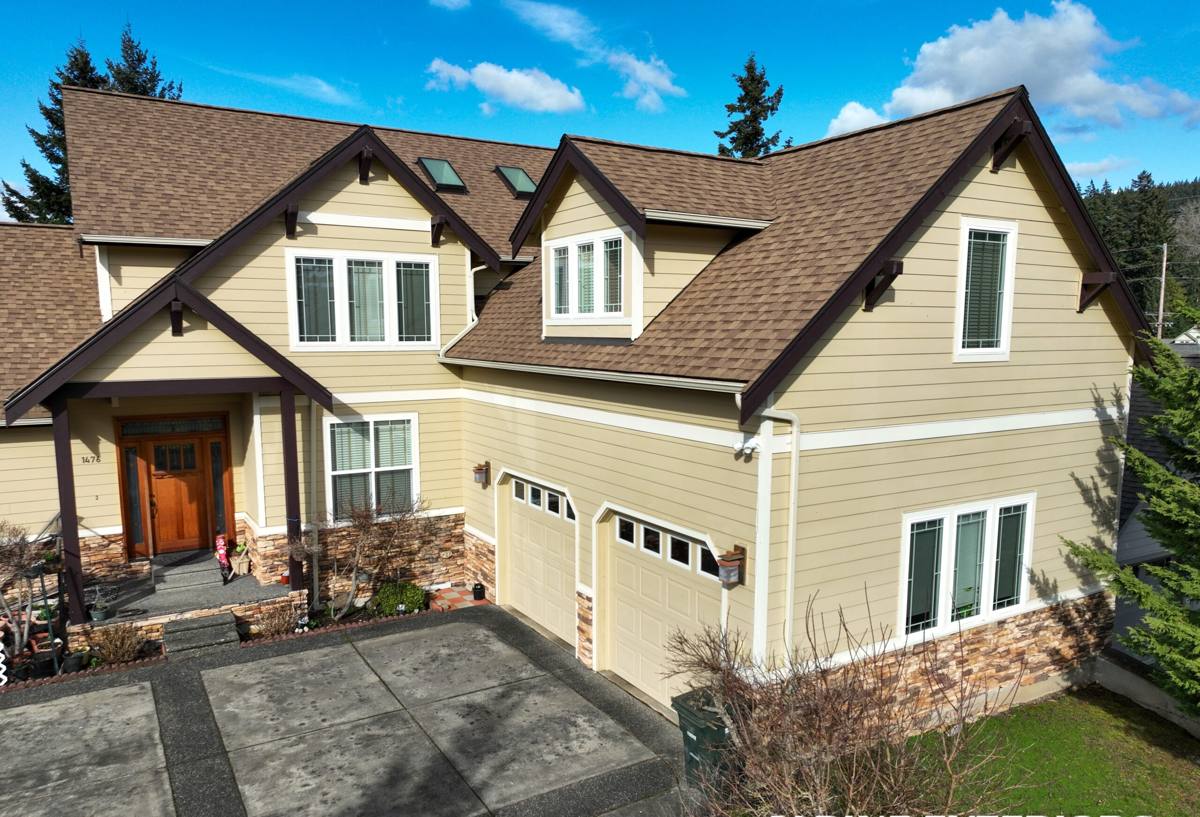
What Salt Air Actually Does to a Deck
Salt air doesn't just sit on the surface — it works into every seam, screw hole, and joint over time. The effects show up in predictable places:
- Fasteners and hardware: Standard galvanized screws and joist hangers corrode faster near the coast, sometimes rusting through years before the wood around them fails.
- Metal flashing and connectors: Ledger flashing, post bases, and structural connectors are especially vulnerable since they're often hidden and easy to overlook during a casual inspection.
- Finish breakdown: Stains and sealers wear off faster in salt air, which leaves wood exposed to moisture sooner than the product's rated lifespan would suggest.
This is why a repair that only replaces visibly rotted boards but reuses the original fasteners often fails again within a couple of seasons. The hardware is frequently the weaker link, not the wood.
The Moss Problem
Why Moss Is More Than Cosmetic
Ferndale's long wet season gives moss plenty of time to establish itself on deck boards, especially in shaded areas or spots that don't get much direct sun. Moss holds moisture directly against the wood surface for extended periods, which softens the top layer of the board and creates a foothold for rot to start. It also makes the deck surface genuinely slick and dangerous underfoot, particularly on stairs and near entry points.
Where It Concentrates
Moss tends to build up fastest in north-facing sections, under overhangs, along the edges of boards where debris collects, and in any low spot where water doesn't drain quickly. A repair plan should note these zones specifically, since they're the ones most likely to need attention again if drainage and airflow aren't improved as part of the fix.
What a Correct Deck Repair Actually Involves
A repair that holds up in this climate starts with a real inspection, not a surface glance. Here's what that looks like in practice:
1. Structural Inspection First
Before any boards get replaced, the ledger connection, support posts, beams, and joist hangers need to be checked for corrosion, rot, and proper attachment. This is the part of the deck that matters most for safety, and it's also the part most often skipped in a quick cosmetic fix.
2. Identify Moisture Paths
Water needs somewhere to go. If a deck is holding water instead of shedding it, we look at board spacing, slope, and any spots where flashing has failed or was never installed correctly at the ledger. Fixing the symptom without addressing the moisture path just means the same repair again in a year or two.
3. Match Repair to Cause, Not Just Appearance
A gray, weathered board isn't automatically a rotted board. A soft, spongy board is a different problem than a cracked or splintering one. Sorting out which boards need full replacement versus which just need cleaning, sanding, and refinishing keeps the job honest and keeps costs where they should be.
4. Hardware Upgrade Where It Makes Sense
In a coastal-influenced area like Fairhaven, upgrading corroded fasteners and connectors to better-rated hardware during a repair is often worth the modest added cost, since it directly addresses the fastest-failing component in this environment.
Common Deck Problems We See in This Area
| Issue | Typical Cause Here | What It Usually Needs |
|---|---|---|
| Corroded fasteners and hangers | Salt air exposure over years | Hardware replacement, sometimes without full board replacement |
| Soft or spongy boards | Trapped moisture under moss or debris | Board replacement, improved drainage/airflow |
| Slick, green surface | Extended moss season, shaded areas | Cleaning, treatment, possible resurfacing |
| Ledger board rot | Failed or missing flashing at the house connection | Flashing correction, ledger repair or replacement |
| Loose or wobbly railings | Fastener corrosion, post movement | Hardware and post reinforcement |
| Cupped or warped boards | Repeated wet/dry cycling from driving rain | Board replacement, sometimes spacing adjustment |
Our Process
We keep the process straightforward because a deck repair shouldn't feel like a mystery:
- Walk the deck with you. We look at the whole structure, not just the area you called about, and point out anything that needs attention now versus what can wait.
- Check what's underneath. Railings, stair stringers, ledger connections, and hardware get checked, since these are the areas salt air and moisture hit hardest and they're not always visible from the top.
- Give you a straight assessment. We tell you what's actually failing versus what's just weathered and cosmetic, so you're not paying to replace boards that have years of life left.
- Do the repair right. That means proper flashing, appropriately rated fasteners for a coastal-influenced climate, and attention to drainage and airflow so the fix actually lasts.
- Leave it clean. Debris and moss buildup get cleared as part of the job, not left for you to deal with after.
Repair or Replace? A Practical Way to Decide
Not every deck with problems needs to be torn out and rebuilt. The decision usually comes down to how much of the structure is affected versus the surface:
- If the framing, posts, and ledger connection are solid and only some surface boards are failing, targeted repair is usually the right call.
- If corrosion or rot has reached the structural connections — ledger, beams, or multiple support posts — a full or partial rebuild is often more cost-effective than repeated patch repairs.
- If the deck is old enough that the original hardware doesn't meet current standards, a repair is a good opportunity to bring connections up to date even if a full rebuild isn't needed.
- If moss and moisture damage keep recurring in the same spot despite past fixes, the underlying drainage or flashing issue needs to be solved, not just the symptom.
What to Check Before You Call Anyone
A quick walk-around can tell you a lot before you even bring in a contractor:
- Press on boards near the ledger, stairs, and any shaded or low-lying section — sponginess means trouble.
- Look underneath if you can access it, checking for rust streaks on hardware or visibly corroded connectors.
- Check railings and posts for wobble, which often points to fastener failure rather than a wood problem.
- Note where moss or standing water collects after a rain, since these are your likely trouble spots.
- Look at the ledger-to-house connection for gaps, staining, or missing flashing.
Why It Matters to Hire a Crew That Already Works This Area
A deck repair in a dry inland climate and one in Fairhaven aren't the same job, even if the visible damage looks similar. A crew that regularly works Whatcom County's coastal-influenced neighborhoods already knows which hardware holds up against salt air, where moss tends to concentrate given the local rain patterns, and which failure points to check first because they've seen the same issues on other decks nearby. That local pattern recognition means less time spent diagnosing and more time spent on repairs that are actually going to hold up through the next few wet seasons.
It also means straight answers about what your specific deck needs. Ferndale's climate isn't uniform — a deck tucked under trees a few blocks from open water deals with different pressures than one in full sun on higher ground — and a contractor who's worked across these conditions in Fairhaven and the surrounding area can tell the difference at a glance instead of guessing.
Get a Straight Answer About Your Deck
If your deck is showing signs of wear — soft spots, corroded hardware, persistent moss, or just general age — we're happy to take a look and give you an honest read on what it actually needs. Reach out for a free, no-pressure estimate using the form below.