 Ferndale
 Why Board & Batten Fits Lummi Island Homes
Board and batten has become one of the most requested siding profiles on Lummi Island, and it's easy to see why. The vertical lines read as coastal and understated at the same time — a good match for homes tucked into evergreens along the shoreline or set back on a bluff lot with a view of Hale Passage. It also works well on additions, garages, and gable ends where a horizontal lap pattern would compete visually with a home's main siding. But the look is only half the story. On an island where every exterior surface answers to salt air, wind-driven rain, and a moss season that can stretch from October into May, the material and the installation details behind that clean vertical line matter more than they would in a drier, inland neighborhood.
This page covers what board and batten siding needs to hold up on Lummi Island specifically — not board and batten in general — and how we approach it as a crew that already works this part of Whatcom County.
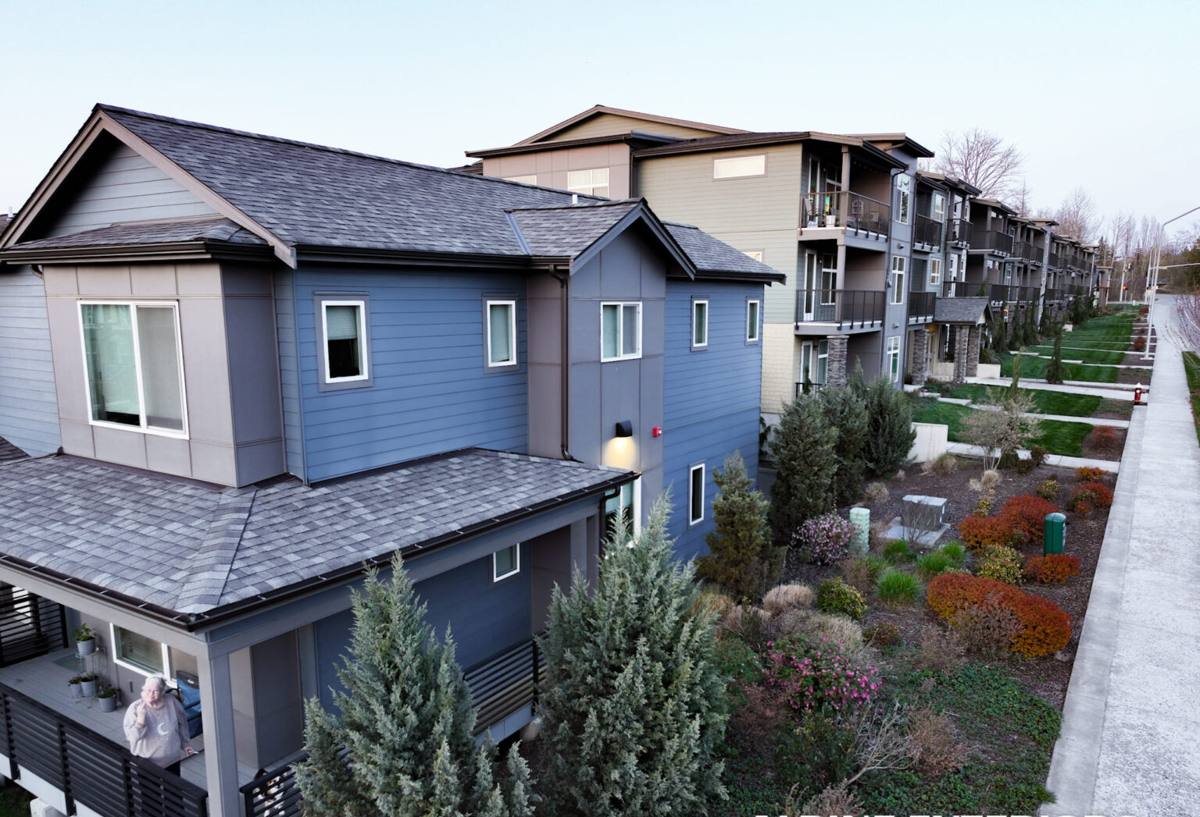
What Salt Air, Driving Rain, and Moss Season Actually Do to Vertical Siding
Board and batten siding has more vertical seams and more exposed batten edges per square foot than a standard lap profile. On the mainland that's a minor detail. On Lummi Island, where wind off the water drives rain sideways into west- and south-facing walls, every one of those seams is a place water can try to find its way behind the siding if the installation isn't precise.
Three conditions do most of the damage over time:
- Salt air corrosion — airborne salt accelerates the breakdown of standard fasteners, uncoated trim, and lower-grade paint films, especially on the water-facing sides of a house.
- Driving rain — wind-blown rain pushes water uphill and sideways against vertical battens, so laps, flashing, and caulk joints have to work harder than they would on a sheltered inland wall.
- Extended moss and mildew season — the Puget Sound region's damp, mild winters keep siding surfaces wet longer than most parts of the country, and shaded, tree-lined lots common on the island make it worse. Moss and mildew hold moisture against the surface and, on the wrong substrate, start a slow cycle of softening and swelling.
None of this means board and batten is a bad choice for the island — it means the material and the details need to be chosen for these conditions, not for a catalog photo.
Board and Batten Done Right: The Details That Actually Matter
Batten Spacing and Fastening
Batten spacing isn't just an aesthetic decision. Battens that are too wide leave the field panel unsupported and more prone to flexing in wind; spacing that's too tight traps moisture and debris between boards. We fasten to manufacturer spec with corrosion-resistant fasteners sized for the assembly — a detail that matters more here than in a low-humidity climate, since standard fasteners are exactly what salt air goes after first.
Water-Resistive Barrier and Flashing
Behind every board and batten wall we install is a properly lapped water-resistive barrier, correctly integrated flashing at windows, doors, and horizontal transitions, and a drainage plane that gives incidental moisture somewhere to go instead of somewhere to sit. This is the part of the job nobody sees once it's finished, and it's also the part that determines whether the wall is still performing in fifteen years or showing rot behind the trim in five.
Factory-Finished vs. Field-Painted
Vertical siding shows lap lines and touch-up differences more visibly than horizontal siding does, because the eye reads straight down the board. A factory-applied finish, cured under controlled conditions, holds color and resists the chalking and fading that field-applied paint struggles with in a marine climate. It's one of the reasons we don't treat the finish as an afterthought — it's part of the product decision, covered next.
Why We Install Only James Hardie Fiber Cement
Board and batten can be built from several different materials, and homeowners on Lummi Island often ask us to compare them honestly rather than just sell against them. Here's how they actually perform under the conditions this island sees:
| Material | Behavior in Salt Air & Driving Rain | Moss/Moisture Resistance | Long-Term Maintenance |
|---|---|---|---|
| Solid wood (cedar, primed spruce) | Handsome but absorbs moisture at end grain and joints; swells and shrinks with seasonal humidity | Vulnerable to rot and moss growth without vigilant upkeep | Repainting/staining on a recurring cycle; caulk joints need regular inspection |
| Vinyl | Won't rot, but can warp or crack in wind and temperature swings; seams are visible on vertical profiles | Doesn't feed moss growth itself, but traps moisture behind it if installed loose | Low upkeep but limited repairability and a shorter realistic service life |
| LP SmartSide / engineered wood | Engineered strand product with a resin/wax treatment; edge and cut-end sealing is critical near driving rain | Performs acceptably when detailed correctly, but is less forgiving of installation gaps than fiber cement | Moderate — relies heavily on correct field sealing at every cut |
| James Hardie fiber cement (HZ5 for this climate zone) | Engineered for wet, wind-driven climates; non-combustible and dimensionally stable | Doesn't feed mold or moss growth and holds up to repeated wet-dry cycles | Low — factory ColorPlus finish means no recurring repaint cycle for years |
This is why we standardized on James Hardie and don't install LP SmartSide, vinyl, Cemplank, Allura, primed spruce, or cedar. Each of those products has real strengths — cedar's warmth, vinyl's price point, engineered wood's workability — but on a marine-exposed island where the wrong installation detail turns into a moisture problem you can't see until it's expensive, we'd rather put our name behind one system we know cold: Hardie's fiber cement, engineered and warranted for exactly this climate, with a factory finish that's built to outlast field-applied paint.
Why HZ5 Specifically
James Hardie makes climate-zoned product lines, and HZ5 is engineered for the wetter, more humid regions of the Pacific Northwest — which includes Whatcom County and the marine conditions around Lummi Island and Ferndale. It's a meaningful difference from a generic fiber cement board, and it's part of why the installed product performs the way the warranty promises it will.
How We Approach Board and Batten Projects on Lummi Island
Working on the island comes with logistics that don't apply to a mainland Ferndale job — material and crew access run through the ferry, so scheduling deliveries and crew days takes more planning than a job five minutes off the highway. We build that into the estimate and the timeline up front rather than letting it become a surprise mid-project. Beyond logistics, our process on every board and batten job includes:
- An on-site inspection of the existing wall assembly, including any signs of past moisture intrusion around windows, corners, and the base of the wall.
- A written scope covering water-resistive barrier, flashing details, batten spacing, and fastening schedule — not just "siding replacement."
- James Hardie HZ5 panel and batten material specified for the wall's actual sun and wind exposure.
- A final walkthrough that checks caulking, trim, and paint-line detail before we call the job done.
Maintenance Checklist for Board & Batten in a Marine Climate
Even a correctly installed board and batten wall benefits from a light annual check, especially on a wooded or waterfront lot where moss and mildew get a head start. A homeowner on Lummi Island should:
- Rinse siding annually with a garden hose and soft brush to remove salt residue and organic buildup — avoid pressure washers, which can force water behind laps and battens.
- Check and clear gutters before the fall rains so overflow doesn't run down the wall face.
- Inspect caulk joints at windows, doors, and trim once a year for cracking or separation.
- Trim back tree limbs and shrubs that keep siding in constant shade and dampness, since that's where moss establishes fastest.
- Watch north- and west-facing walls most closely — they typically hold moisture and shade the longest through moss season.
Cost Factors for Board & Batten Siding on Lummi Island
Every project is different, but the same handful of factors drive most of the cost variation we see on island jobs:
| Factor | Why It Matters Here |
|---|---|
| Ferry-dependent access | Material staging and crew scheduling take more lead time than a mainland job, which factors into project timeline and logistics costs |
| Wall exposure | Walls facing prevailing wind and water need the most careful flashing and fastening detail, adding labor time |
| Existing wall condition | Hidden moisture damage behind old siding, common after years of coastal exposure, can add repair scope once uncovered |
| Batten pattern and reveal | Tighter batten spacing and custom reveals require more material and more precise layout time |
| Trim and corner detailing | Board and batten shows trim lines more prominently than lap siding, so corner and window trim choices affect both look and cost |
We give a written, itemized estimate before any work starts so these factors are clear up front rather than discovered mid-project.
Why Hiring a Crew That Already Works Lummi Island Matters
A contractor who's only worked mainland Ferndale jobs can still install siding competently, but island work has its own rhythm — ferry timing, tighter staging areas on many lots, and wall assemblies that have already been fighting salt air and driving rain for years before we ever show up. A crew that's done this before doesn't have to relearn those lessons on your house. We plan material deliveries around the ferry schedule, we know what wind exposure looks like on different sides of the island, and we've seen firsthand what happens to the wrong siding material after a few winters of moss season here. That experience shows up in fewer surprises and a tighter, more weather-tight installation.
If you're weighing board and batten siding for a home on Lummi Island, we're happy to take a look and talk through what your specific wall exposure and lot conditions call for. Reach out for a free, no-pressure estimate — the form below gets you started.