 Ferndale
 Roofing in Custer Comes With Its Own Set of Problems
Custer sits close enough to the water and open farmland that roofs here take a different kind of beating than roofs twenty miles inland. It's not one big storm that wrecks a roof out here — it's the slow grind of salt-laden air off the Strait, wind-driven rain that finds every weak seam, and a moss season that seems to start earlier and last longer every year. We've worked on enough homes in this stretch of Whatcom County to know that an asphalt shingle roof installed the same way you'd install one in a dry inland town simply won't hold up the same way here.
This page is about one thing: asphalt shingle roofing, done right, for homes in the Custer area. Not a general rundown of every roofing material available — just what actually matters if you own a house here and need a roof that will still be doing its job in twenty-five or thirty years.
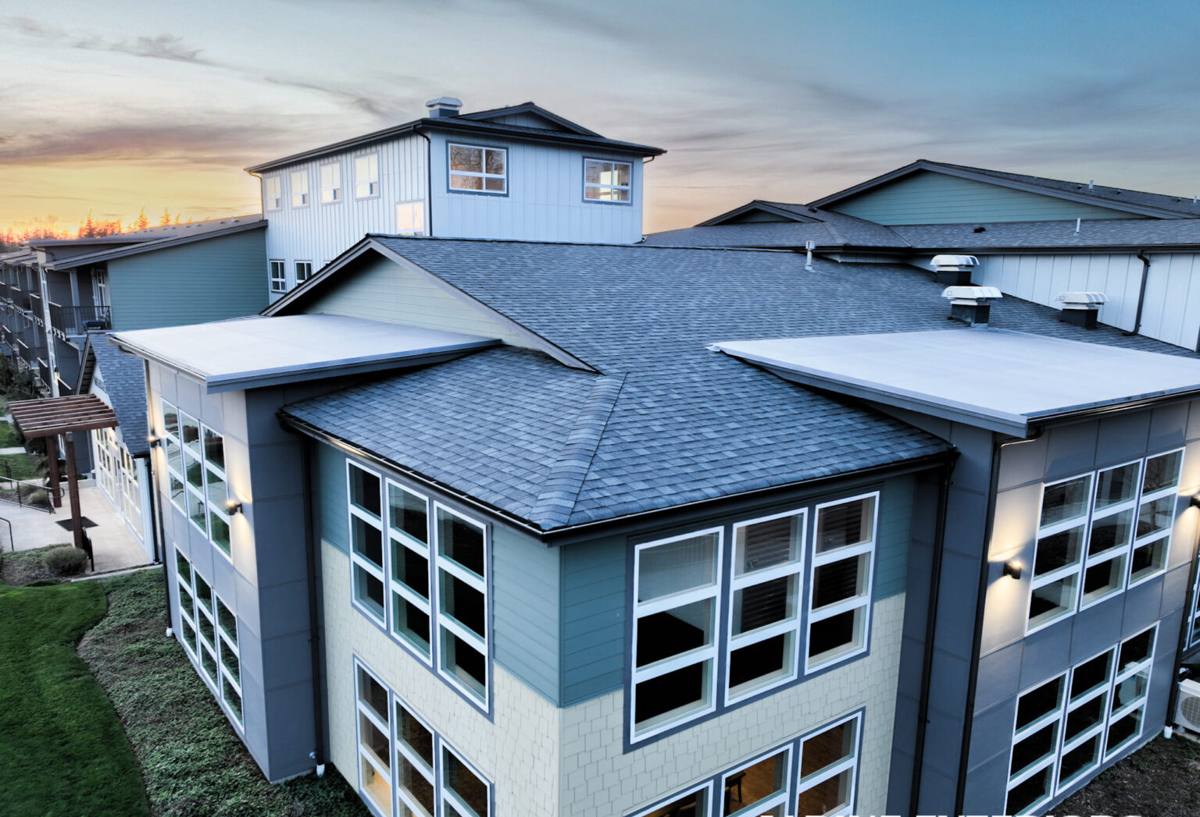
What Custer's Climate Actually Does to a Roof
Salt Air and Metal Fasteners
Proximity to the water means airborne salt settles on every exterior surface, including your roof. Over years, that salt accelerates corrosion on anything metal — nail heads, flashing, vent boots with metal collars, and drip edge. A roof built with the wrong fastener grade or unprotected flashing will show rust streaks and early failure points well before the shingles themselves are worn out.
Driving Rain, Not Just Rain
Whatcom County gets plenty of straight-down rain, but the rain that damages roofs out near Custer is usually coming in sideways off open fields and water. Wind-driven rain doesn't just land on the roof — it gets pushed up under shingle tabs, into exposed nail lines, and around poorly sealed penetrations like plumbing vents and chimney flashing. A roof that's watertight in a light shower can still leak in a wind-driven storm if the underlayment and flashing details weren't built for it.
Moss Season Is Longer Than People Think
The combination of shade, moisture, and mild temperatures means moss and algae growth isn't a once-a-year nuisance here — it's close to a year-round condition on north-facing slopes and anywhere tree cover keeps a roof damp. Moss holds water against the shingle surface, works its way under tab edges, and lifts granules loose. Left unchecked for a few seasons, it shortens the usable life of a shingle roof significantly, regardless of how good the shingle itself was.
What a Correctly Installed Shingle Roof Needs Out Here
A roof built for Custer's conditions isn't a different product — it's the same asphalt shingle system installed with attention to the details that matter locally. That means:
- Corrosion-resistant fasteners and flashing rated for coastal exposure, not standard-grade galvanized that starts rusting within a few years
- A quality synthetic underlayment as a full secondary water barrier, not just felt paper laid loose
- Ice-and-water shield at eaves, valleys, and around every roof penetration — the places wind-driven rain actually gets in
- Proper starter strip and correct nail placement, so shingles are mechanically sealed against wind uplift, not just glued down and hoped for
- Balanced attic ventilation, so moisture from inside the house doesn't condense against the underside of the roof deck and rot it from within
- Zinc or copper strips near the ridge on shaded roofs, which meaningfully slow moss regrowth between cleanings
None of this is exotic. It's standard best practice applied consistently, instead of skipped to save time on the install.
Our Process for a Custer Roofing Job
1. On-Site Inspection and Honest Assessment
We start by getting on the roof, not just looking at it from the ground. We check the deck condition, existing ventilation, flashing detail around chimneys and vents, and how much moss or granule loss is already present. If a roof still has useful life left and doesn't need full replacement, we'll tell you that.
2. A Written Scope Before Any Work Starts
You get a clear written scope: tear-off or overlay, underlayment type, flashing plan, ventilation changes if needed, and shingle product. No verbal promises that don't make it onto paper.
3. Tear-Off and Deck Check
Old shingles come off and we inspect the deck underneath for soft spots, rot, or prior water damage that's been hidden. Any bad decking gets replaced before a single new shingle goes down — installing a new roof over a compromised deck just guarantees a future problem.
4. Underlayment, Flashing, and Ventilation First
This is where a roof's real lifespan gets decided, long before the shingles are visible. Ice-and-water membrane at vulnerable points, synthetic underlayment across the field, new flashing where the old flashing shows any corrosion or gaps, and ventilation corrected if the attic isn't breathing properly.
5. Shingle Installation to Manufacturer Spec
Correct nail count, correct placement, correct exposure. Rushed installs cut corners here first, and it's invisible until a windstorm proves otherwise.
6. Final Walkthrough
We walk the finished roof and the site with you, confirm cleanup, and go over any maintenance points specific to your property — especially if shade or tree cover means you'll want moss treatment on a schedule.
Choosing Shingles That Make Sense for This Area
Not every asphalt shingle product performs the same in a marine, moss-prone climate. Here's how the common tiers stack up for a Custer property specifically:
| Shingle Type | Wind Rating | Algae/Moss Resistance | Typical Lifespan Here |
|---|---|---|---|
| 3-Tab Standard | Lower | Minimal unless treated | 15-20 years, often less with heavy moss exposure |
| Architectural / Laminate | Higher | Good with algae-resistant granules | 25-30 years with proper ventilation and moss control |
| Premium Algae-Resistant Laminate | Highest in class | Best available, copper-infused granule options | 30+ years, especially on shaded or north-facing slopes |
For most homes in the Custer area, we steer people toward architectural shingles with algae-resistant granules as the practical baseline — the upgrade cost over basic 3-tab is modest compared to the difference in how long the roof actually holds up against moss and wind here.
What Drives Cost on a Shingle Roof Out Here
Every roof is different, but a few things consistently move the price on Custer jobs more than they would elsewhere:
- Roof pitch and access — steeper roofs and limited driveway access for equipment add labor time
- Deck condition — hidden rot from long-term moisture or old leaks means deck replacement, which isn't optional once found
- Flashing complexity — multiple chimneys, skylights, or valleys mean more detail work where leaks actually start
- Ventilation corrections — adding or upgrading ridge and soffit venting if the attic isn't currently breathing right
- Tear-off layers — removing two layers of old roofing costs more than removing one
- Moss and organic buildup — heavy existing moss sometimes signals deck damage underneath that only shows up once shingles are off
We give you these as line items in the estimate, not a vague lump sum, so you know exactly what you're paying for and why.
Why It Matters That We Already Work in Custer
A roofing crew that mostly works dry, inland jobs can still install a technically correct roof — but they may not think to spec corrosion-resistant flashing by default, or plan ventilation around a heavily shaded, moss-prone lot the way a crew that works this specific stretch of Whatcom County does automatically. We've built and repaired enough roofs around Ferndale and the surrounding communities, including Custer, to know which details actually get tested by this climate and which are just theoretical elsewhere.
That local familiarity shows up in small decisions during the job — where we add extra ice-and-water membrane even though code minimums wouldn't require it, which flashing grade we default to, and how we talk to you about moss maintenance based on your specific tree cover and roof orientation.
Signs Your Custer Roof May Need Attention Soon
- Granules collecting in gutters or at downspout outlets
- Visible moss or dark streaking, especially on north-facing slopes
- Shingle tabs curling, cupping, or lifting at the edges
- Soft spots underfoot when walking the roof (if safely accessible)
- Daylight visible through the attic roof boards
- Water stains on interior ceilings after wind-driven storms specifically
- Rust streaking near flashing, vents, or nail lines
Catching these early is almost always cheaper than waiting for an active leak, especially once moss has had a season or two to work under shingle edges unnoticed.
Maintenance That Actually Extends Roof Life Here
A well-installed shingle roof in Custer still benefits from periodic attention given the local conditions. Gutters should be checked and cleared more often than in drier climates, since debris and needle buildup combined with constant moisture accelerates rot at the fascia and roof edge. Moss should be treated before it becomes a visible mat, not after — by the time it's thick enough to see from the ground, it's already lifted granules and started holding moisture against the shingle surface. And after any significant windstorm, a quick visual check for lifted or missing shingles catches small problems before the next round of driving rain finds them.
If you're weighing a repair versus a full replacement, or just want an honest read on how much life is left in your current roof, we're happy to take a look. Fill out the form below for a free, no-pressure estimate on your Custer property.